Last updated November 22, 2026
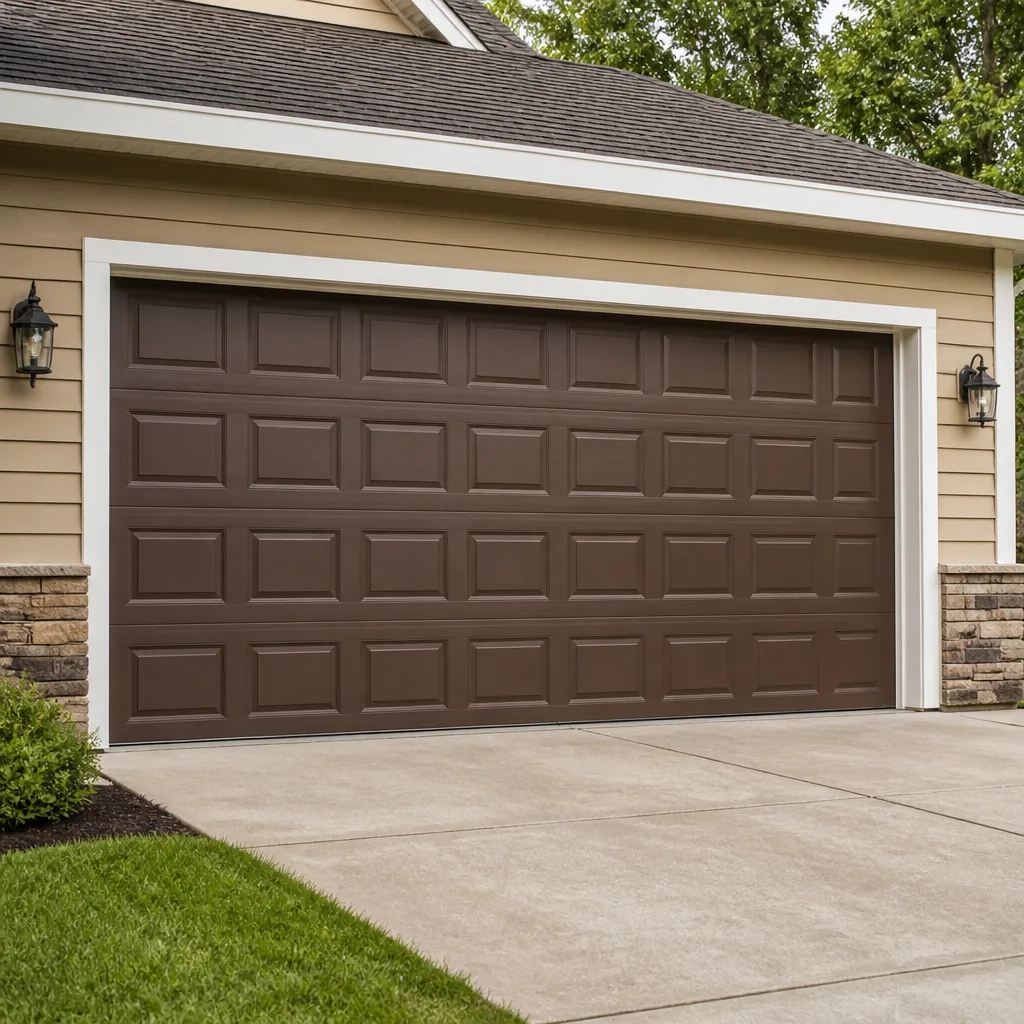 Raised-panel steel
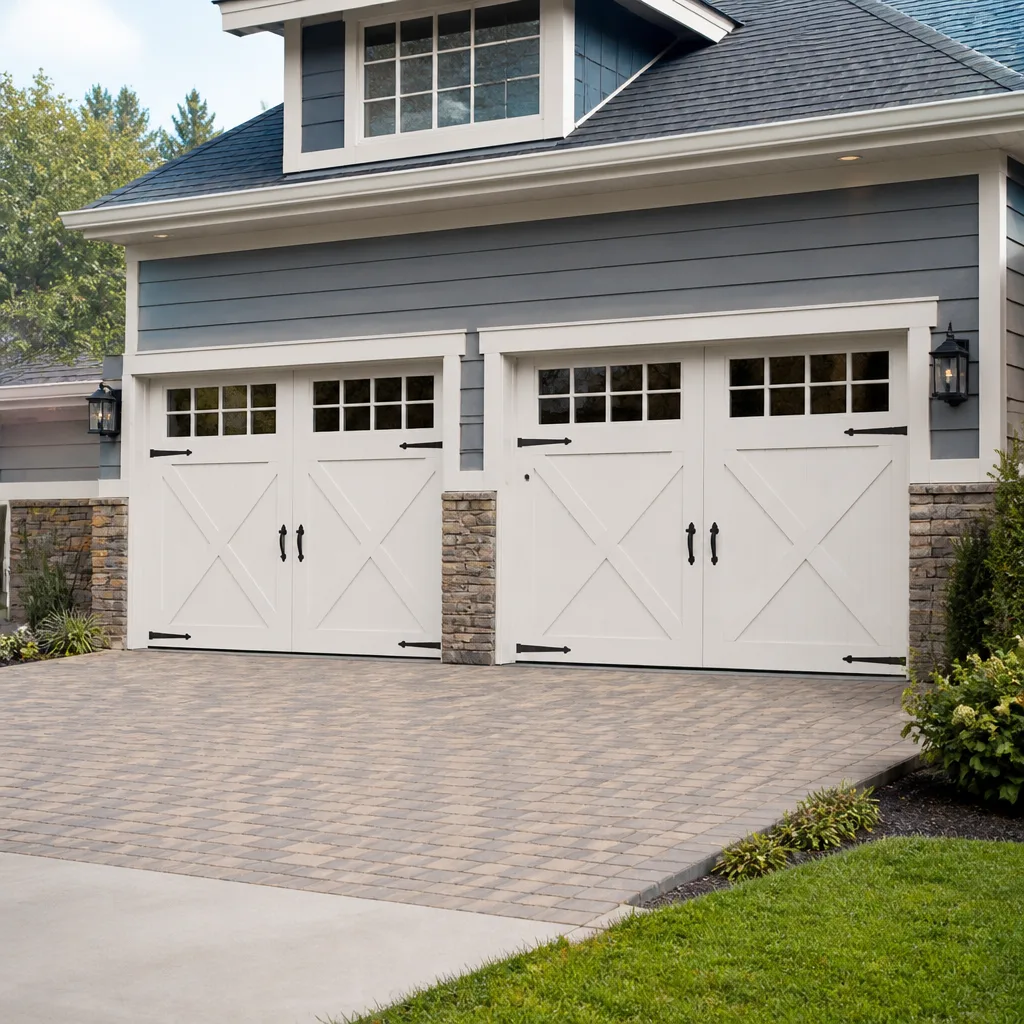 Carriage house
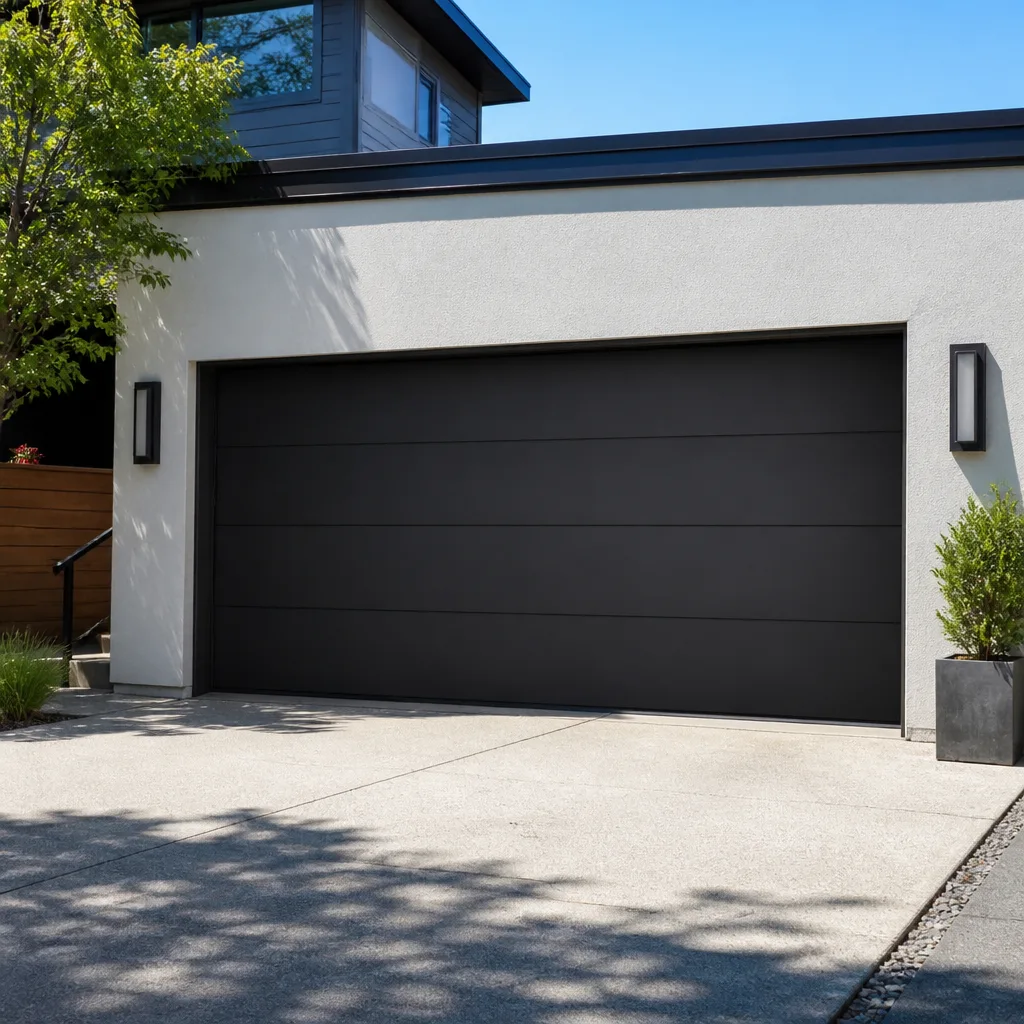 Modern flush
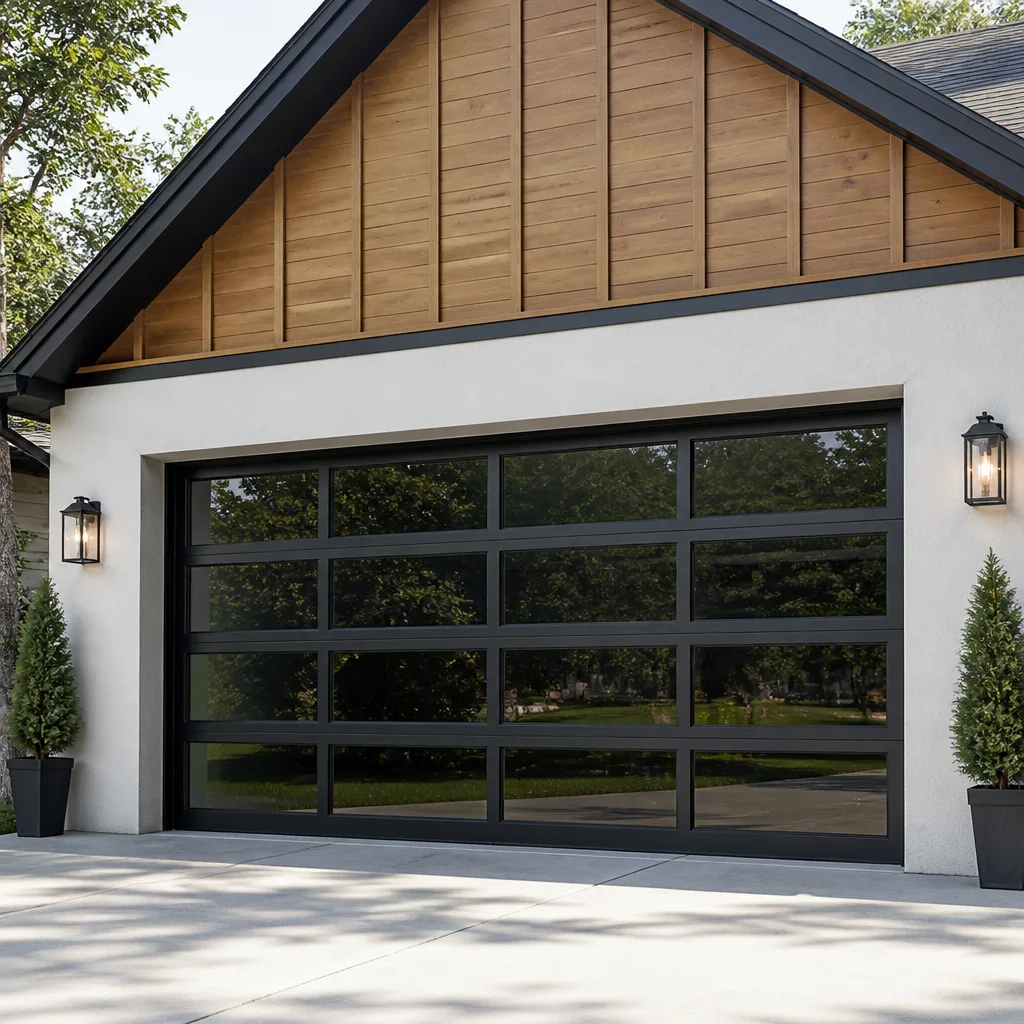 Full-view glass
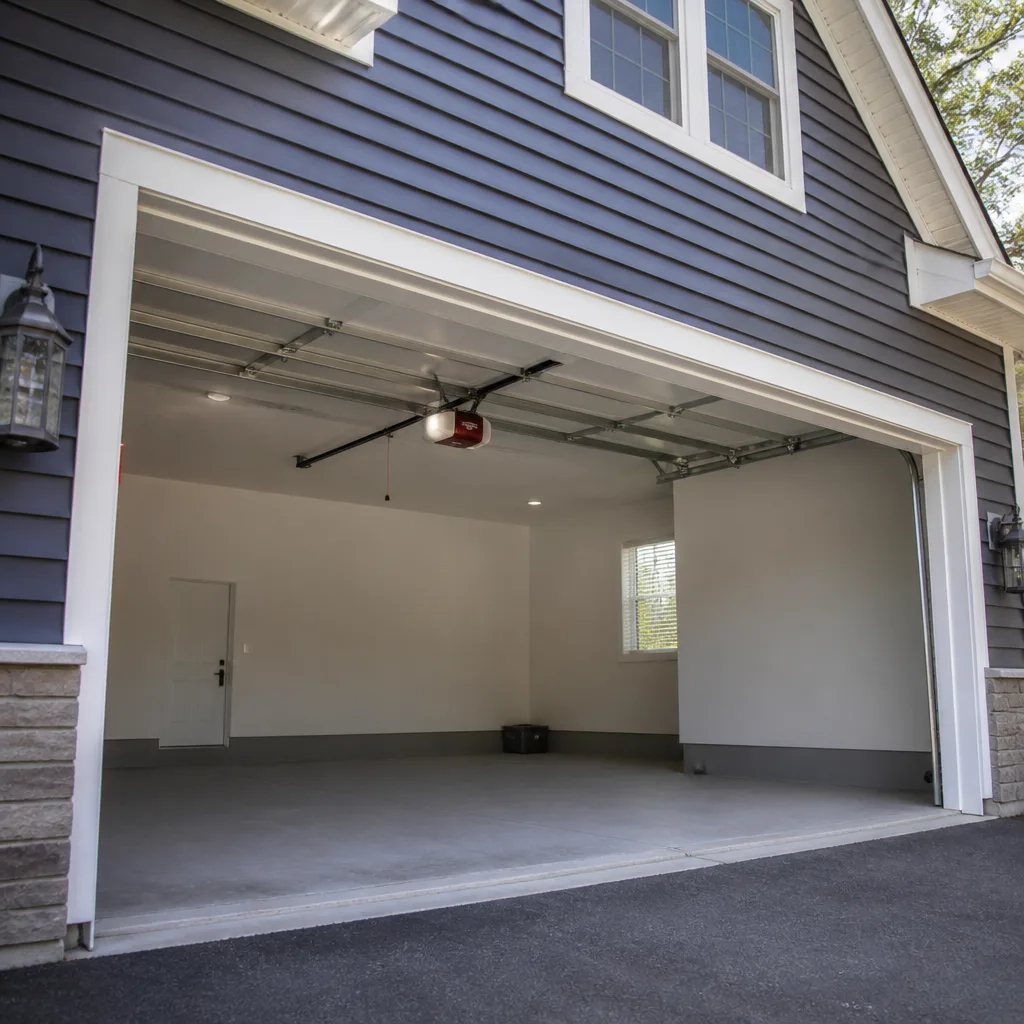 LiftMaster openers
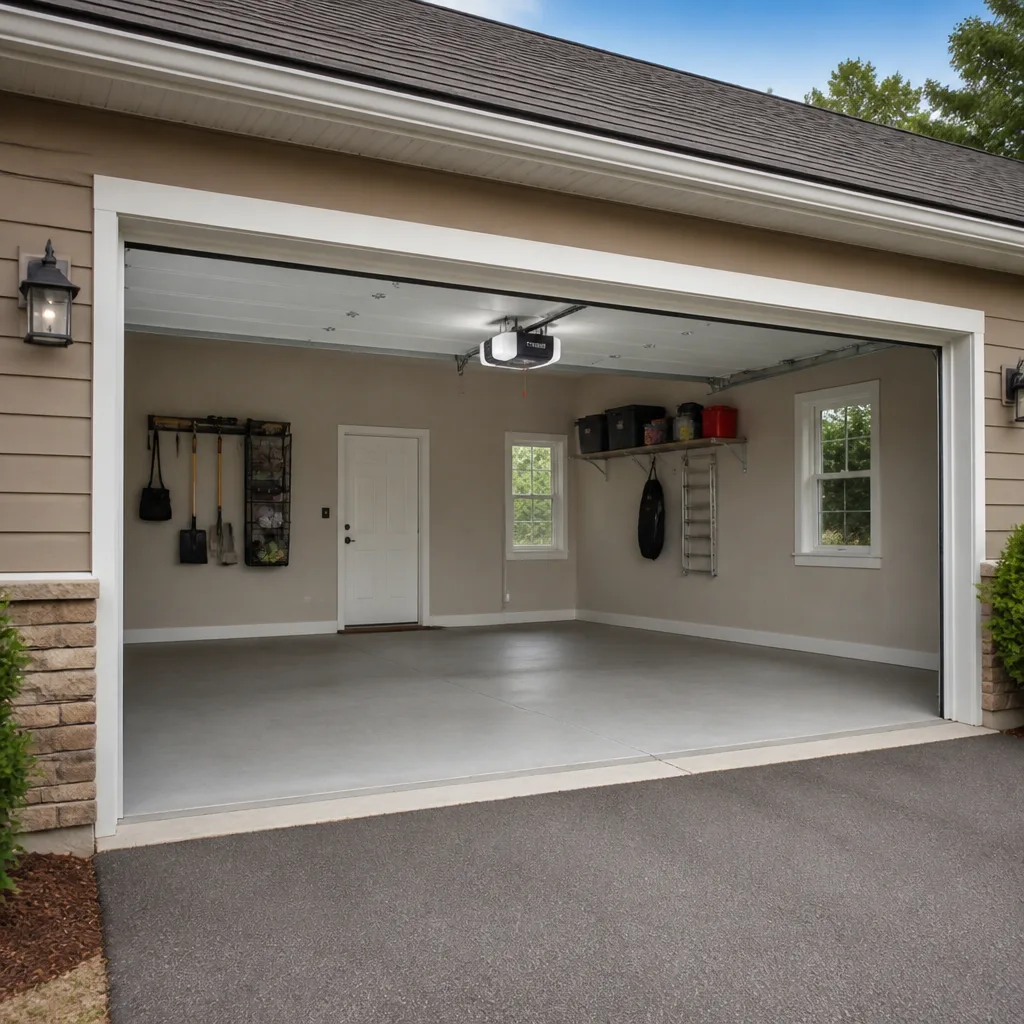 Chamberlain openers
Full 25-point door and opener safety check with every visit - springs, cables, rollers, tracks, and your LiftMaster or Chamberlain opener included
You get a price before we start. It does not change when the pro arrives.
Get your free estimateGarage Door Emergency Preparedness Guide for Waukegan Homes
The worst time to figure out how to manually release your garage door is when the power is out and your car is inside at 6am. Most Waukegan homeowners learn their door’s manual release only after they need it, and in the middle of a January cold snap or a fast-moving storm is a bad moment to start reading the opener manual. The good news: a garage door emergency has a predictable playbook. Broken springs, doors stuck open, doors off-track, dead openers, power failures. Each one has a right first move and a handful of wrong ones that turn a repair into a bigger bill. This guide is meant to be read before anything goes wrong, so you can file it away and handle a failure in twenty minutes instead of three hours of guessing. We’ll walk through the manual release on the opener types common in Waukegan-area homes, how to safely secure a door that won’t close, what to tell an emergency service so a technician arrives with the right parts, and which failures are true emergencies versus ones that can wait until morning.
Styles & brands we work with
- Raised-panel steel
- Carriage house
- Modern flush
- Full-view glass
- LiftMaster openers
- Chamberlain openers
Quick Answer
A garage door emergency in Waukegan is any failure where the door is stuck open, off its tracks, hanging on a broken spring, or trapping a vehicle. The two true emergencies are a broken torsion spring and a door with tension still on a cable that has jumped a track, both of which can cause serious injury. Everything else, including a dead opener or a door that closes but won’t open, can usually wait until morning. Print the checklist at the end of this guide, keep it on the garage wall, and call (855) 658-5278 when a repair really can’t wait.
Table of Contents
- What Every Waukegan Homeowner Should Know Before an Emergency
- How Do You Manually Release a Garage Door When the Power Is Out?
- How Do You Re-Engage the Door With the Opener After a Power Outage?
- How Do You Safely Secure a Door That Won’t Close?
- Which Garage Door Problems Are True Emergencies?
- What Should You Tell an Emergency Repair Service When You Call?
- Why Do So Many Garage Door Failures Happen in a Waukegan Winter?
- One-Page Garage Door Emergency Checklist for Waukegan Homes
- Common Mistakes to Avoid
- When to Call a Professional
- Frequently Asked Questions
- The Bottom Line
What Every Waukegan Homeowner Should Know Before an Emergency
A garage door is the largest moving object in most homes, and it runs on stored mechanical energy. That energy is what makes the door easy to lift with one hand and what makes a broken spring or a snapped cable so dangerous. Two systems carry the load: torsion springs mounted on a shaft above the door, common on newer installations and heavier doors, and extension springs that run along the horizontal tracks, still found on plenty of older homes around Waukegan. Both store force. When either one fails, the door becomes much heavier than it looks, and the counterbalance that normally holds it is gone.
The opener is not a lifting device. It’s designed to move a balanced door, not to dead-lift a door whose springs are broken or whose rollers are dragging. A common mistake is to keep hitting the wall button hoping the motor will push through. That strains the opener’s gears and can strip them, turning a spring repair into a spring-plus-opener repair. If the door feels heavy or won’t stay up on its own when you lift it by hand, stop and leave it down until a technician looks at it.
Waukegan homes also sit in a climate that’s hard on garage doors. Freeze-and-thaw cycles through the winter push the door’s metal against its weather seal, lubricant thickens in the cold, and the whole system works harder in January than it does in June. That’s why a disproportionate share of failures happen in the cold months. Knowing which parts wear out and how the door is balanced is the foundation for everything else in this guide. If you want a broader picture of the repair side of the trade, the team behind Waukegan Garage Door Repair Pros covers the full range.
How Do You Manually Release a Garage Door When the Power Is Out?
The manual release lets you open and close the door by hand when the opener has no power or has stopped working. It’s a cord that hangs from the trolley mechanism on the opener rail, usually with a red or T-shaped handle at the end. Pulling it disconnects the door from the opener so you can lift it yourself. The trick is doing it safely, because once it’s disconnected, the door relies entirely on its springs and your grip.
The most common openers in the area are belt- and chain-drive units from LiftMaster, Chamberlain, and Genie, and all of them use essentially the same manual release. Here’s the procedure:
- Make sure no one is under the door. Before you touch anything, confirm the space beneath the door is clear, including pets and kids.
- Locate the release cord. It hangs from the trolley along the center of the opener rail. If you can’t reach it, use a step stool with the door fully closed.
- Pull the handle straight down and toward the door. You’ll feel it release with a click. Don’t yank and don’t pull sideways.
- Lift the door slowly by hand, one panel at a time. If it feels extremely heavy, stop. That’s a sign the springs aren’t carrying the weight, and forcing it can drop the door.
- Prop or hold the door open before parking a car under it. Once the door is up, it stays up only if the springs are working. Don’t trust it to hold on its own if the lift felt heavy.
- Close it by hand if you need to, guiding it down slowly. Never let it drop; a slammed door can crack panels or bend the tracks.
If the door was already stuck partway open with the car inside and the opener is dead, the same release works, but you’ll need to lift the door the rest of the way by hand. This is where the emergency becomes a real two-person job if the door is heavy. Broken cables and broken springs make a manual lift dangerous, so if the door won’t lift easily with normal effort, don’t force it. Call an emergency technician, and while you wait, keep the door where it is and keep people out from underneath.
How Do You Re-Engage the Door With the Opener After a Power Outage?
Re-engaging the door means reconnecting the trolley to the opener arm so the motor can move the door again. You do it after the power comes back, or after you’ve finished opening the door by hand. It takes a minute and, on most openers, doesn’t need any tools. Here’s how:
- Close the door by hand first. The opener needs the door fully closed to reconnect cleanly.
- Walk the door up so the trolley arm aligns with the carriage. You’re trying to line up the release lever with the slot on the trolley.
- Pull the release lever back toward the opener motor. On the common LiftMaster and Chamberlain designs, the lever snaps into engagement with a distinct click. Genie units work the same way with their pull-rope-style carriage.
- Run the opener once and watch the door. Press the wall button and confirm the door travels smoothly through a full open and close cycle.
- Test the safety reverse. Lay a piece of wood or a rolled-up mat in the door’s path and press close. The door should reverse on contact. If it doesn’t, stop and call a technician before using the door again.
If the door won’t re-engage or the opener runs but the door doesn’t move, the trolley may not have locked into place, or the opener’s travel limits may need a reset after the outage. That’s a quick fix for a technician but frustrating to sort out in the dark. If your opener has been acting up more than once, a proper garage door opener repair visit will catch a failing gear or a worn carriage before it fails completely.
How Do You Safely Secure a Door That Won’t Close?
A door that won’t close is a security problem even if it isn’t a mechanical emergency. Before the storm, before the overnight freeze, you want it shut. The safest temporary fix depends on why it won’t close, and there are a few approaches that hold versus some that make things worse.
What actually works:
- Clear the safety sensors first. The number-one reason a door won’t close is a tripped photo-eye, usually a leaf, a bundled-up extension cord, a snowdrift, or a child’s toy blocking the beam. Wipe the lenses and check that both eyes are pointed at each other.
- Check the close-limit setting. If the door lowers a foot and then reverses, the opener’s close limit is set short. On most openers there’s a limit-adjust screw on the back panel; nudge it a quarter turn toward close and test again.
- Lower the door by hand and latch it or wedge it. Pull the manual release, lower the door slowly by hand, then slide a piece of wood under the bottom edge or run a c-clamp through the track just above a roller so the door can’t slide back up.
- For a panel that’s bent or tracks that are pushed out, use a bar clamp on the track to hold the door closed from the inside, never from outside where it can be opened.
What creates a bigger problem:
- Never prop the door with a broom or a folding chair. Anything that can slide or collapse is a hazard, especially with a car pulling in.
- Don’t force a misaligned panel into the track by hand. A bent track can grab and buckle a panel, and it’s a much bigger repair than the original problem.
- Don’t tape the door down with painter’s tape or duct tape. It doesn’t hold against wind, and it leaves residue and pulls paint.
- Don’t leave the door hanging off-track and open overnight if there’s anything valuable inside. Cover the opening from inside if you can’t close the door.
The point of a temporary fix is to hold until morning, not to get you through the season. A door that’s been secured with a clamp or block needs a proper garage door repair visit to fix the real cause, whether that’s a bent track, a slipping limit, or a worn roller.
Which Garage Door Problems Are True Emergencies?
An emergency is a failure that’s either dangerous or leaves you unable to secure the house. Everything else can wait until morning without harm. The distinction matters because calling out a technician after hours for something that isn’t urgent costs more, and calling for something urgent after twelve hours of trying to fix it yourself can also cost more than it should.
True emergencies that need a same-day call:
- A broken torsion spring. You’ll hear a loud bang from the garage and the door will suddenly feel very heavy or won’t lift at all. Never try to lift, pull, or adjust the door yourself in this state. The other spring is still under load and both need a trained technician.
- A door that’s off-track with tension on the cables. If the door is crooked, hanging at an angle, or the bottom panel is out of the track while the springs are still loaded, keep everyone out of the garage. The cable can snap without warning.
- A door stuck open and the house can’t be secured. If you can’t lower the door and you can’t block the opening, that’s an emergency from a security standpoint, even if the door itself isn’t dangerous.
- A car trapped inside with somewhere to be. A dead opener with no manual release working, or a door that’s jammed halfway, can leave a household without its only vehicle.
Situations that can usually wait until morning:
- A dead opener (the door itself is fine and can be manually released).
- A door that closes and opens by hand normally but the opener doesn’t respond.
- A noisy door, a sluggish door, a door whose light keeps flashing codes.
- A remote or keypad that stopped working.
- Cosmetic damage to a panel without any loss of function.
If you’re not sure which category you’re in, call and describe the situation. A quick conversation will tell you whether to wait or whether an emergency call makes sense. Our technicians have up to 13 years of experience with these decisions, and they’ll give you a straight answer rather than push a callout you don’t need. Fast dispatch runs from 7am to 7pm for repair calls, and we’ll book emergency work for early mornings or Sundays when that’s what a job requires.
What Should You Tell an Emergency Repair Service When You Call?
The single best thing you can do for an emergency call is describe the failure accurately. A technician who knows what’s wrong before arriving can bring the right springs, the right opener parts, and the right tools, which means one trip instead of two. A second trip often means a second charge, so a two-minute conversation on the phone saves time and money.
Have these details ready when you call:
- The door’s make and model if it’s printed on a sticker on the frame or the bottom panel. Clopay and Amarr are common on newer installations, but plenty of older homes have manufacturer tags too.
- The opener’s brand and model. LiftMaster, Chamberlain, Genie, and Craftsman are the most common in our area, and each has its own parts and troubleshooting quirks.
- What broke. Did you hear a bang? Did the door come down crooked? Did the opener run but the door didn’t move? Did a cable snap? A one-sentence description tells the technician a lot.
- The door’s current position. Fully closed, fully open, or stuck partway. This tells us whether a temporary secure is already needed or whether the door is safe to leave.
- How many springs the door has. Most modern doors carry two torsion springs, and replacing both at once is standard when a matched pair has failed together.
- Whether anyone is trapped or the door is blocking the only exit. That changes the response time.
- Your address and how to get to the garage. Whether the door is visible from the street or set back, and whether the driveway is clear.
What you should also hear from the person who answers: an upfront estimate range before the technician arrives, a confirmation that the price will be quoted and agreed before any work starts, and a clear description of what the visit includes. Any emergency call where you don’t get those things is worth hanging up on. The written estimate sets the final price, and if a technician discovers something extra that has to be done, they quote it before doing it. Nobody should hand you a signed invoice with a bigger number than the one you agreed to.
Why Do So Many Garage Door Failures Happen in a Waukegan Winter?
Cold changes everything about how a garage door behaves. In January, the metal door panels contract, the weather seal stiffens, the grease in the rollers and hinges thickens, and the springs work harder than they do in July. Waukegan sits in a stretch of northern Illinois where the freeze-thaw cycle through the winter is just a fact of the season, and that’s when the phone rings the most.
The most common winter failure modes in Waukegan:
- Broken torsion springs. Springs are under a constant load and metal fatigue is cumulative. A spring that’s been through a dozen winters is much closer to its failure point than a new one. Cold snaps are when they usually let go.
- Opener gears stripping. A door that’s harder to lift because everything has stiffened asks the opener to work harder. The plastic drive gear in the opener takes the brunt and strips.
- Frozen bottom seal. The door’s bottom rubber can stick to a concrete apron when temperatures drop. The opener strains against the stuck seal, the door pops loose, and the safety reverse trips.
- Tracks pushed out of alignment. Snow that gets packed into the track from a car pulling in during a storm can bend the steel when the door cycles. Once the track is out, the door grinds and can come off.
- Photo-eye sensors blocked by snow. Drifts across the sensor path are one of the most common “won’t close” calls in the winter, and they’re fixable in a minute if you know to check.
- Remote controls that stop working. Cold saps battery life. Frigid weather drains a remote faster than warm weather does, so change the battery before the first hard freeze.
There’s not much you can do about the laws of physics, but you can do a few things in late fall to lower the odds. Lubricate the springs, hinges, and rollers with a proper garage door lubricant (not WD-40). Check the weather seal around the perimeter for gaps. Clear the tracks of debris and check that both photo-eyes are clean and pointed correctly. Test the opener’s safety reverse. A few minutes in October is worth hours in January. If you’d rather have a technician look at everything before the season, a garage door spring repair visit can include a full tune-up so a tired spring or a worn cable gets replaced before the cold finds it.
One-Page Garage Door Emergency Checklist for Waukegan Homes
Print this page or copy the list by hand onto an index card and tape it to the inside wall of the garage, near the opener. It’s organized by the failure that’s most likely to happen during a Waukegan winter, but every item works any time of year.
Before anything goes wrong (do this once, in fall):
- Locate the manual release cord and make sure everyone in the household can reach it. If you need a step stool, keep one on the wall nearby.
- Write down the door’s make and model and the opener’s brand and model. Tape those to the same wall.
- Test the opener’s safety reverse with a rolled mat or piece of wood.
- Lubricate springs, hinges, and rollers with garage door lubricant.
- Check that both photo-eyes are clean and pointing at each other.
- Replace the remote batteries.
When the door fails:
- Make sure no one is under the door.
- Look at the door’s position, whether it’s hanging crooked, and whether you hear a spring still loaded. If the answer is crooked or a broken spring, stop and call.
- If the door is fully closed or fully open and the opener is dead, pull the manual release and lift the door by hand to check weight. If it’s easy, the springs are fine and the problem is the opener. If it’s heavy, the springs or cables are the issue.
- If the door needs to be closed as a temporary security measure, lower it slowly by hand and clamp or block it. Never force a misaligned panel.
- Clear the photo-eyes and test the close again.
- If the door still won’t function, call (855) 658-5278. Have the make, model, and current position ready.
Winter-specific add-ons:
- After a storm, shovel snow out of the tracks before cycling the door.
- If the door sticks to the concrete on first open, don’t force it; check for frozen rubber at the seal.
- If the light on the opener flashes a code pattern, keep the manual nearby. Those codes tell a technician exactly what’s failing.
Common Mistakes to Avoid
- Pulling the manual release while the door is partway up on a broken spring. Once released, the door is held only by the springs. If those are broken, the door can drop without warning. Make sure the door is fully closed before you pull the cord.
- Attempting to adjust or replace a torsion spring yourself. This is the single most dangerous garage door job there is. The springs are under hundreds of pounds of stored tension, special winding bars are required, and a slip can cause serious injury. It’s a job for a trained technician with the right tooling, and that’s why we treat spring work as its own specialty rather than something a handyman should take on.
- Forcing a door that’s off-track back into the track by hand. A bent track looks like it just needs a firm push, but the stored force in the cables means the door can snap loose. If the door is off-track with tension still on the cables, leave it and call.
- Assuming the opener needs replacing when a gear has stripped. A failing opener often just needs a gear kit or a board. Replacing a working opener because a plastic gear wore out is one of the most common unnecessary upgrades we see. Opener repair is its own specialty, and we work on everything from smart LiftMaster and Chamberlain units to older Craftsman openers.
- Blocking the photo-eye with a recycling bin or a stack of holiday boxes. It’s easy to do in a hurry, and it’s the most common cause of “my door won’t close” calls in the winter. A quick check before you call saves a service visit.
- Ignoring a door that drags or makes new noises. A door that starts grinding, squeaks differently, or feels heavy is telling you a roller, hinge, or spring is on its way out. Addressing that small warning is cheaper than the emergency it turns into.
- Calling an emergency service without describing the problem. A technician who arrives without knowing what failed may need to leave and come back with parts. Two trips, two charge-outs, one wasted evening. Two minutes on the phone fixes it.
Avoiding these mistakes is most of the battle. The rest is knowing when to stop and call a professional.
When to Call a Professional
Call a professional immediately if you hear a bang from the garage and the door suddenly won’t lift, if the door is hanging crooked with tension still on the cables, if the door is stuck open and can’t be secured, or if a vehicle is trapped and you can’t get out by hand. Those are the cases where waiting is unsafe or costly. Call us today rather than keeping the wall button pressed; the opener is designed to move a balanced door, not to force a heavy one, and you’ll spend more on opener repair after trying.
If the failure is a dead opener, a door that’s noisy or sluggish, a slipping remote, or a closed-and-secured door with a bent panel, you can usually wait until morning and save the after-hours charge. But call and describe what you’re seeing, because “can this wait until morning?” is a question our technicians answer every week and they’ll tell you straight. Waukegan Garage Door Repair Pros offers free estimates in Waukegan, and our technicians have up to 13 years of experience across LiftMaster, Chamberlain, Genie, Clopay, Amarr, Wayne Dalton, Craftsman, and Raynor equipment. Call (855) 658-5278 for a free estimate, and we’ll get an experienced technician out to look at the right problem.
From a stripped opener gear to a broken torsion spring to a door off-track, one call covers it. When your door won’t move, we do, and if a repair really is the right answer, we’ll fix it rather than push a replacement you don’t need.
Frequently Asked Questions
Yes. A broken torsion spring is a true emergency because the door is no longer counterbalanced, the other spring is still under load, and the door can drop or the cable can snap without warning. Leave the door down, keep people out of the garage, and call (855) 658-5278. Don’t try to lift the door by hand; the weight can be far greater than you expect.
Yes, for repair and emergency calls. We offer fast dispatch from 7am to 7pm, and we’ll book emergency work for early mornings or Sundays when that’s what the situation needs. Call (855) 658-5278 and describe what’s wrong; a quick diagnosis on the phone helps us bring the right parts the first time.
Spring repair is typically in the low hundreds depending on the type of spring and the door, opener repair is often lower, and any after-hours or emergency call adds a service charge. The exact price depends on the parts and the door, and the written estimate sets the final price. Call (855) 658-5278 for an exact quote; estimates are free.
No, not if the diagnosis matches what you described on the phone. If the technician finds something extra that has to be done, such as a bent track or a stretched cable that goes along with the spring, they quote it before doing the work. The price is agreed before anything starts, and the written estimate is the price you pay.
Pull the manual release on the opener trolley and lift the door by hand, slowly. If it lifts easily, the springs are fine and you can back the car out. If it’s heavy, don’t force it; call us and we’ll help you decide whether to wait or to cover the opening from inside. Never park a car under a door that’s being held up only by a temporary block.
The local professionals we connect you with are licensed and insured as their state requires, and our technicians have up to 13 years of experience with LiftMaster, Chamberlain, Genie, Clopay, Amarr, Wayne Dalton, Craftsman, and Raynor equipment. Call (855) 658-5278 for a free estimate in Waukegan.
The Bottom Line
Most garage door emergencies are predictable, which means they’re manageable. Know where the manual release is, be able to tell a broken spring from a dead opener, keep a clamp on the wall for a door that won’t close, and have the door’s make and model nearby so an emergency call is one conversation instead of three. In a Waukegan winter, the failures that matter most are the ones the cold brings: broken springs, stripped opener gears, frozen seals, and snow packed into tracks. Print the checklist in this guide and do the small fall tune-up once a year. If a failure does happen, decide whether it’s a real emergency or something that can wait, and call the right number. Waukegan Garage Door Repair Pros offers free estimates in Waukegan; call (855) 658-5278 and we’ll take it from there.
Written by the team at Waukegan Garage Door Repair Pros.
See the difference
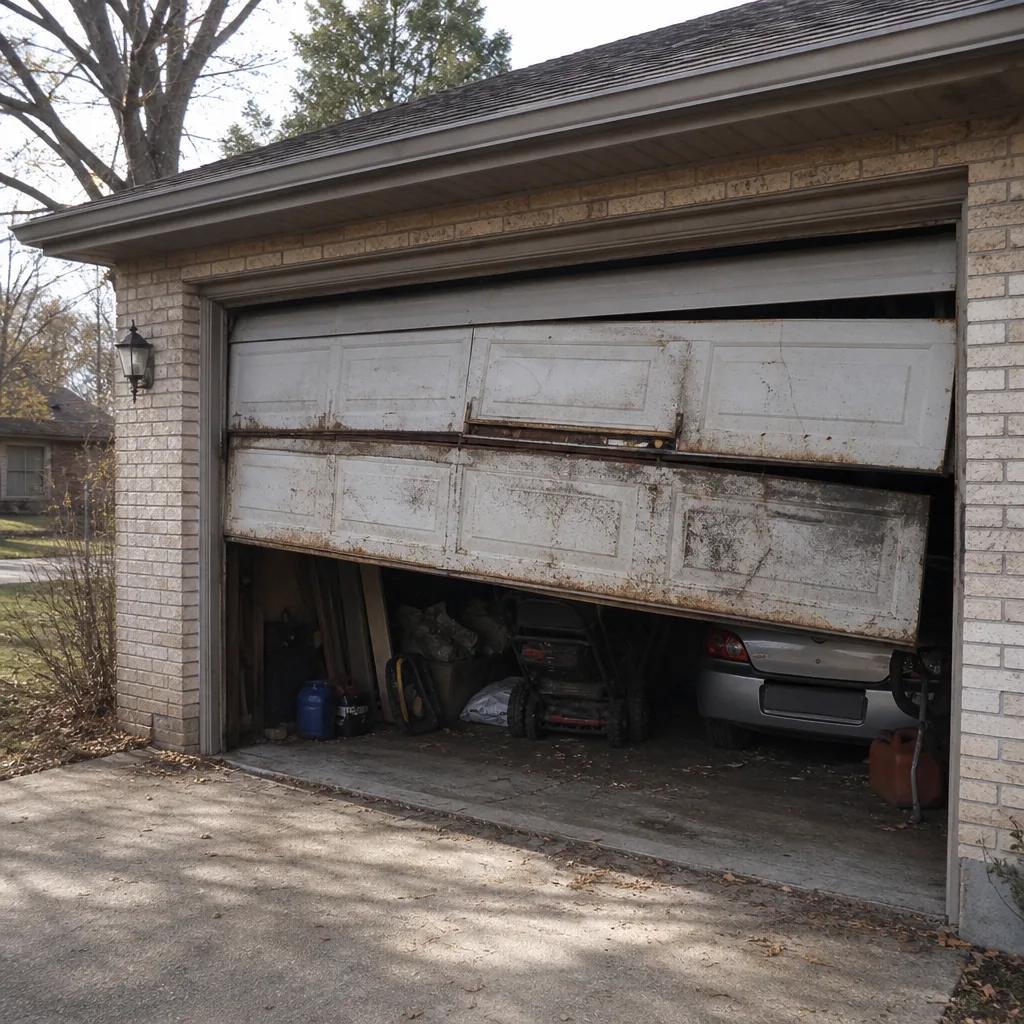 Before
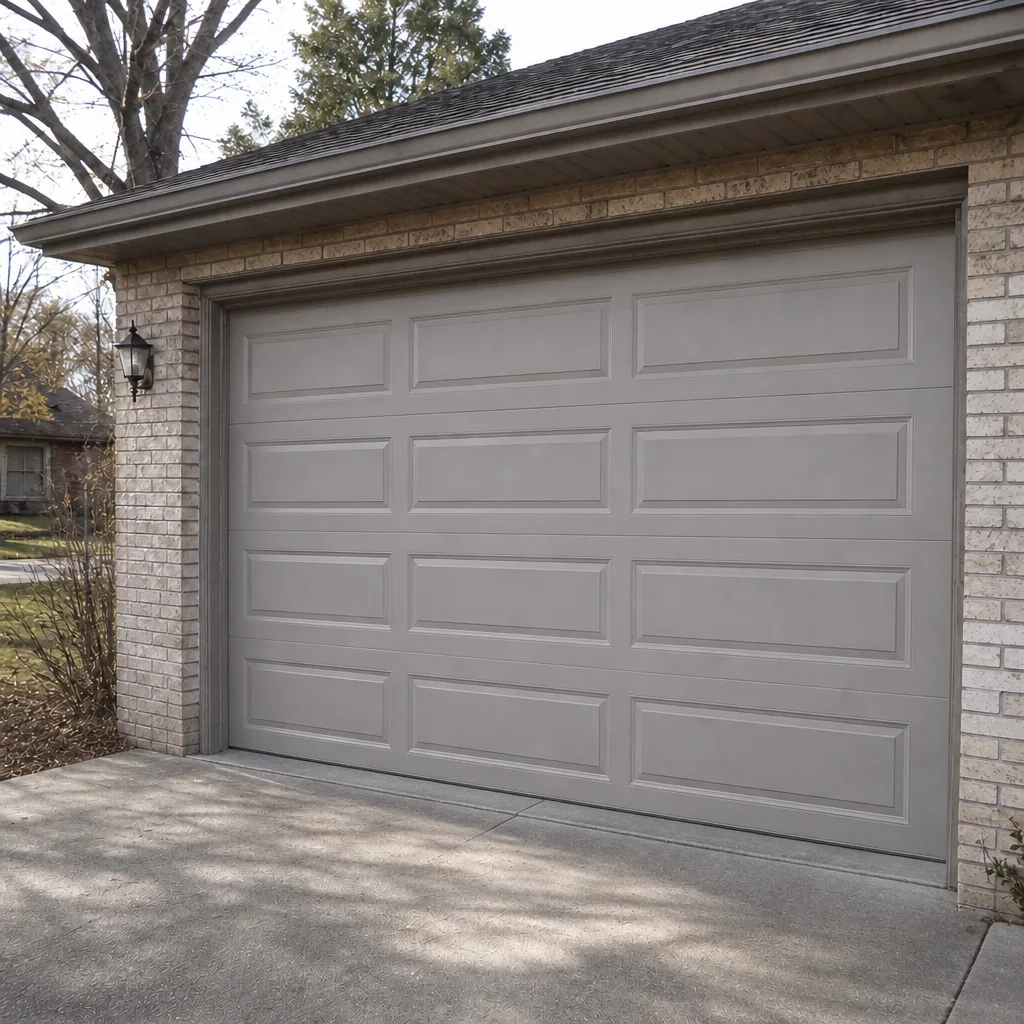 After
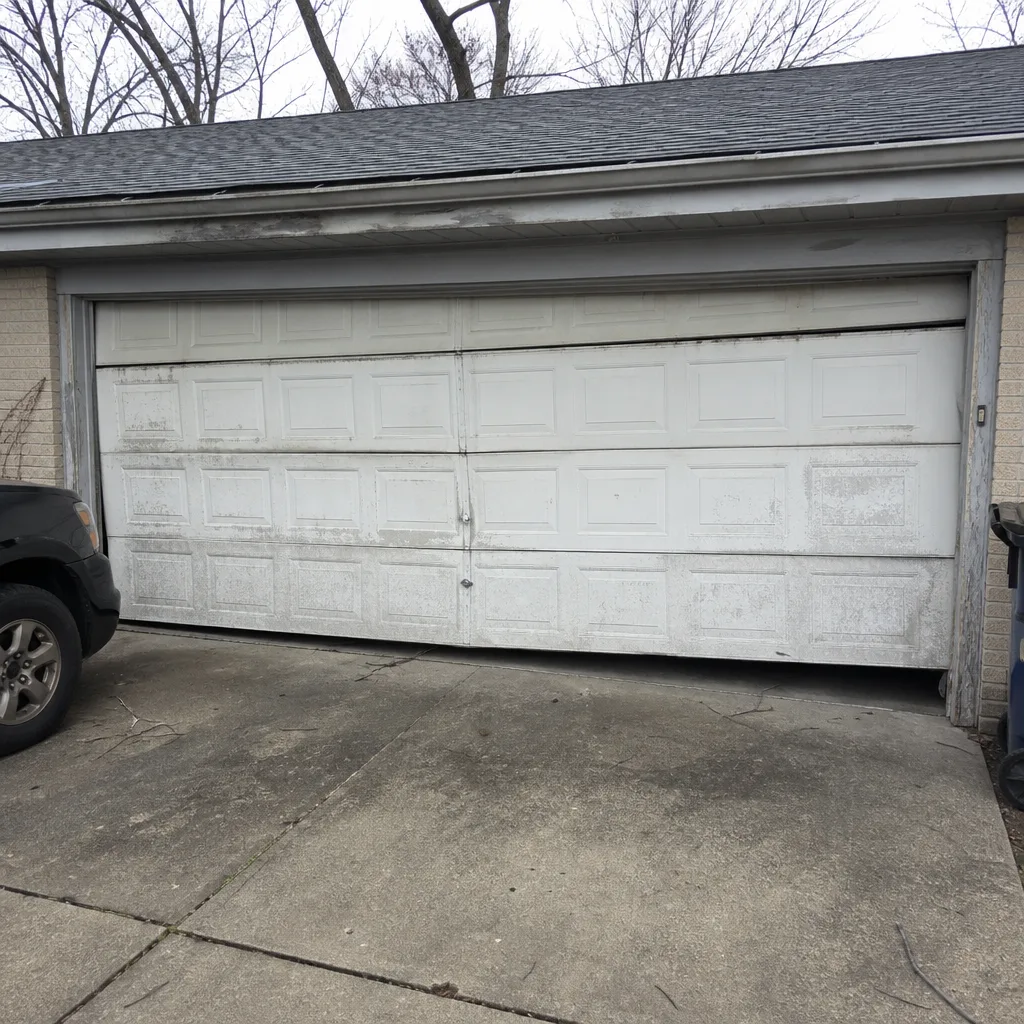 Before
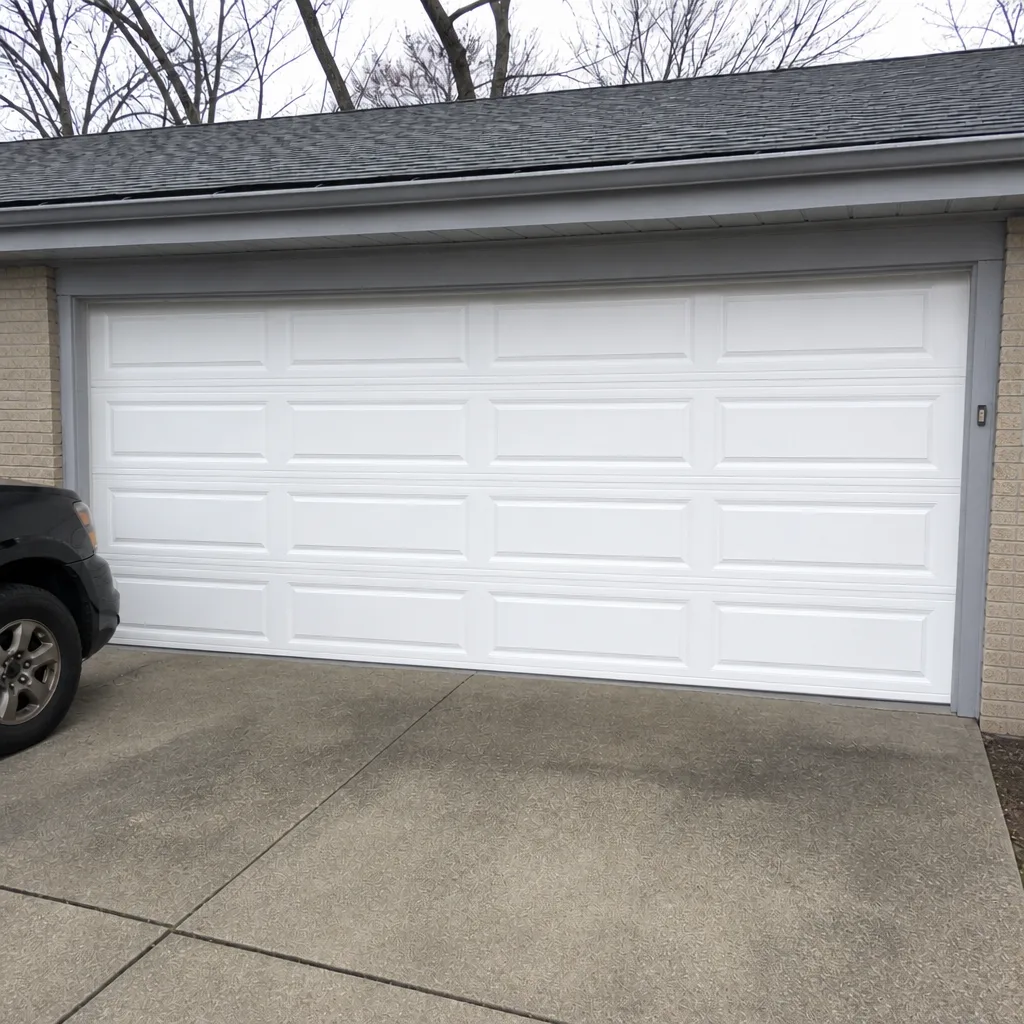 After
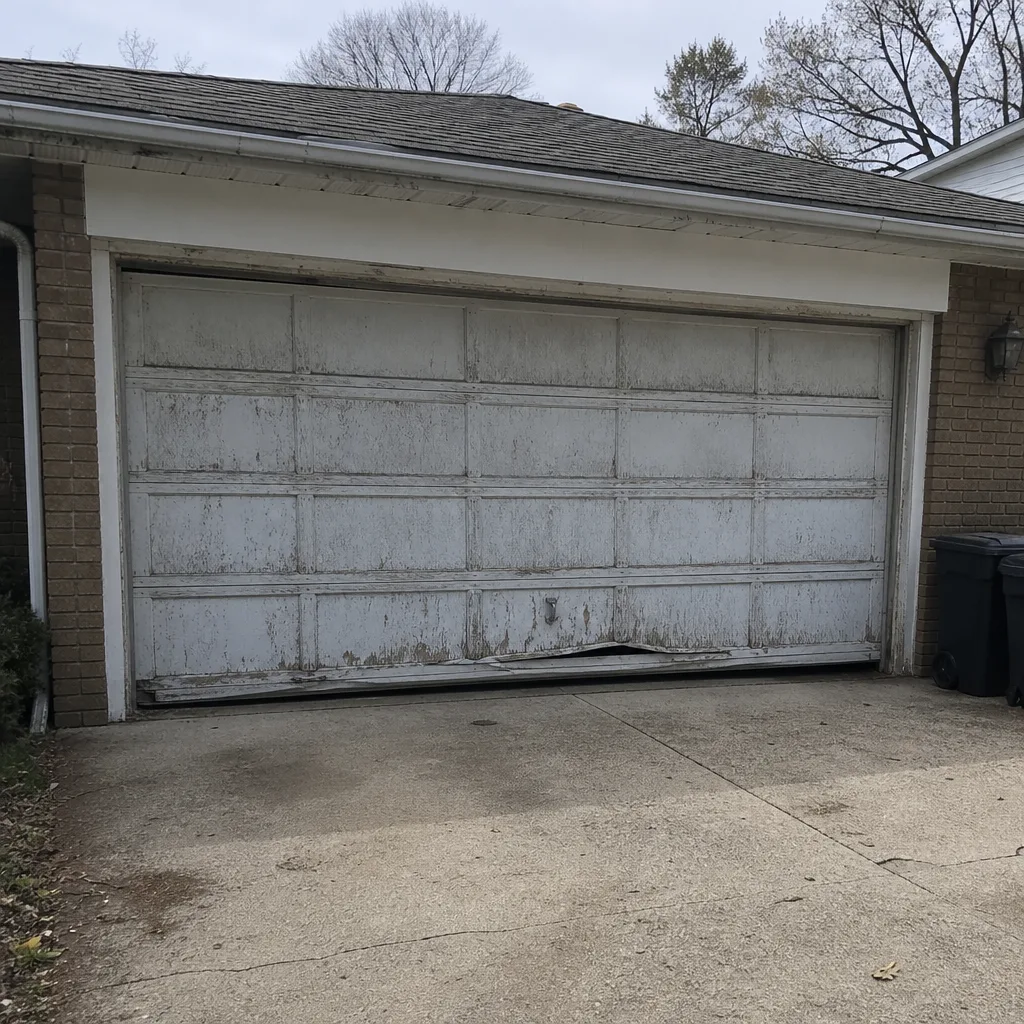 Before
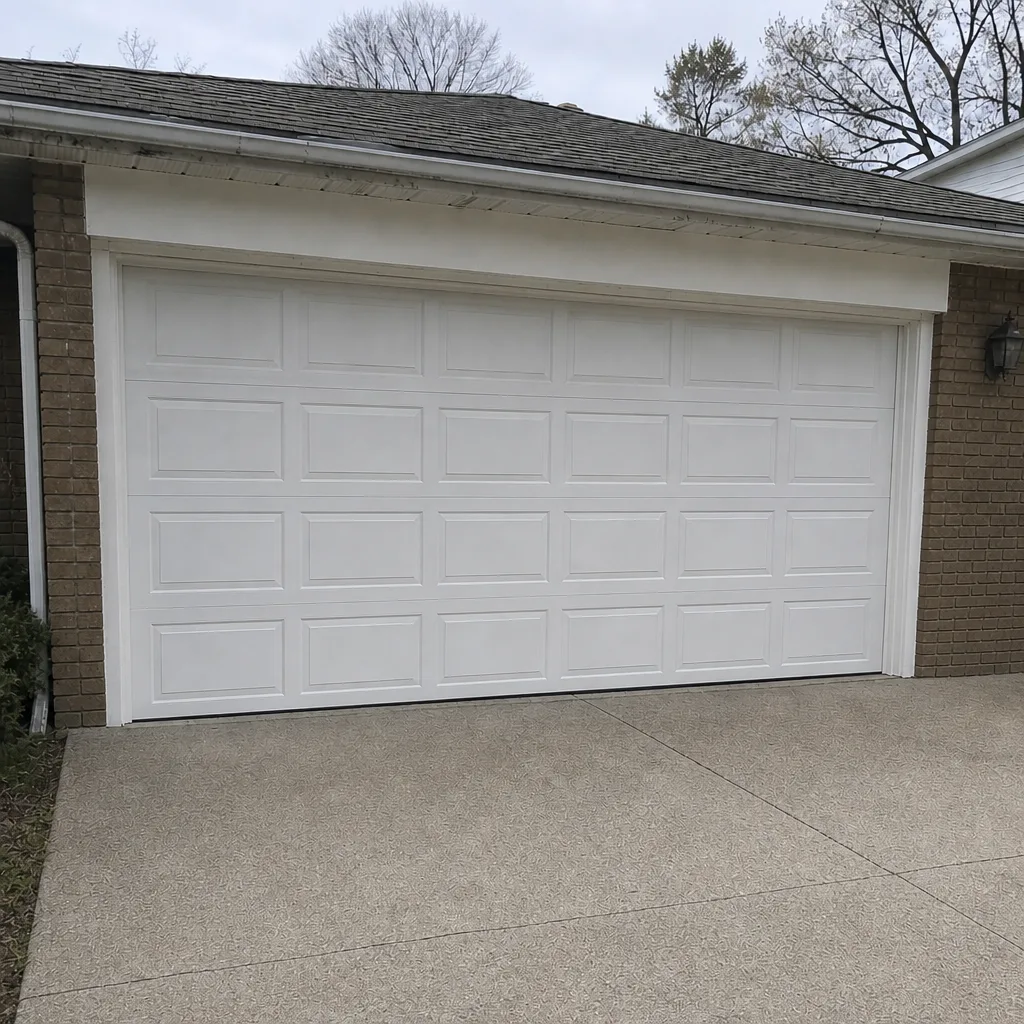 After