Last updated November 22, 2026
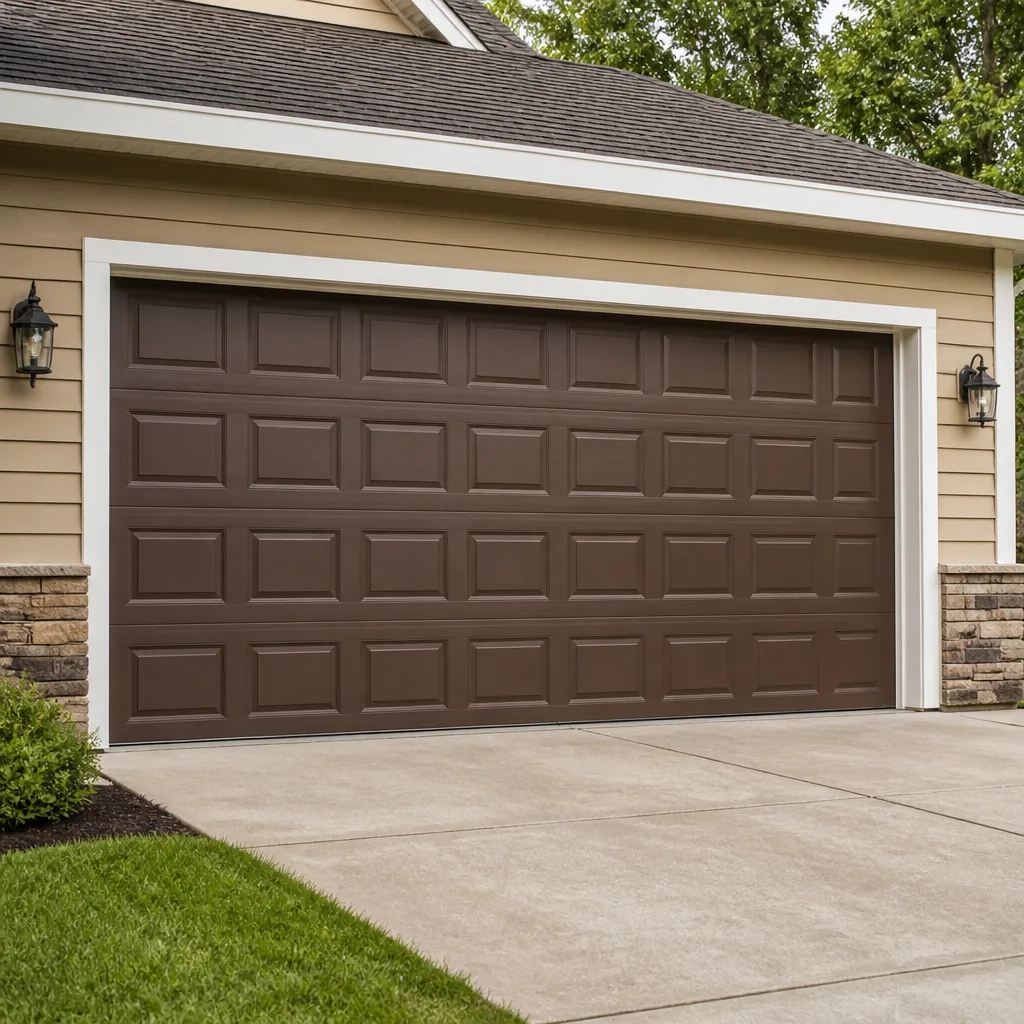 Raised-panel steel
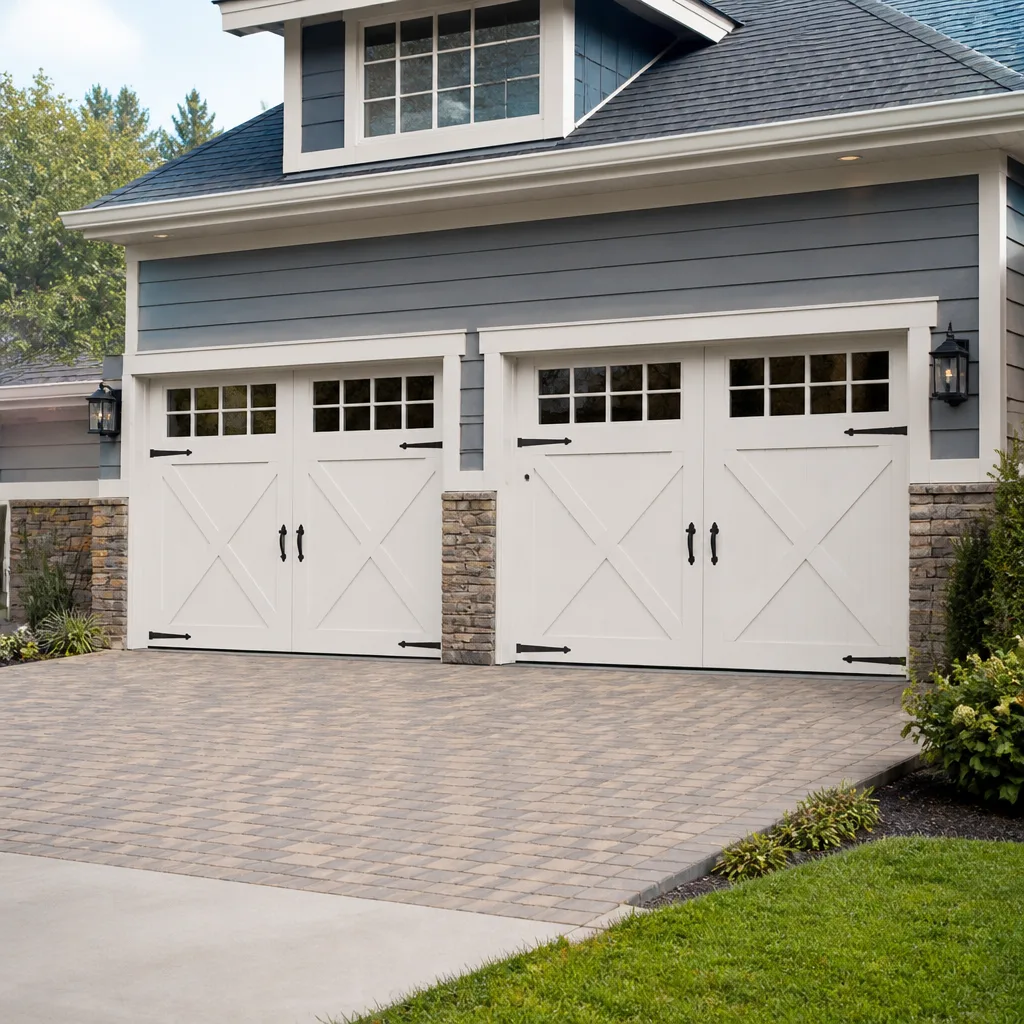 Carriage house
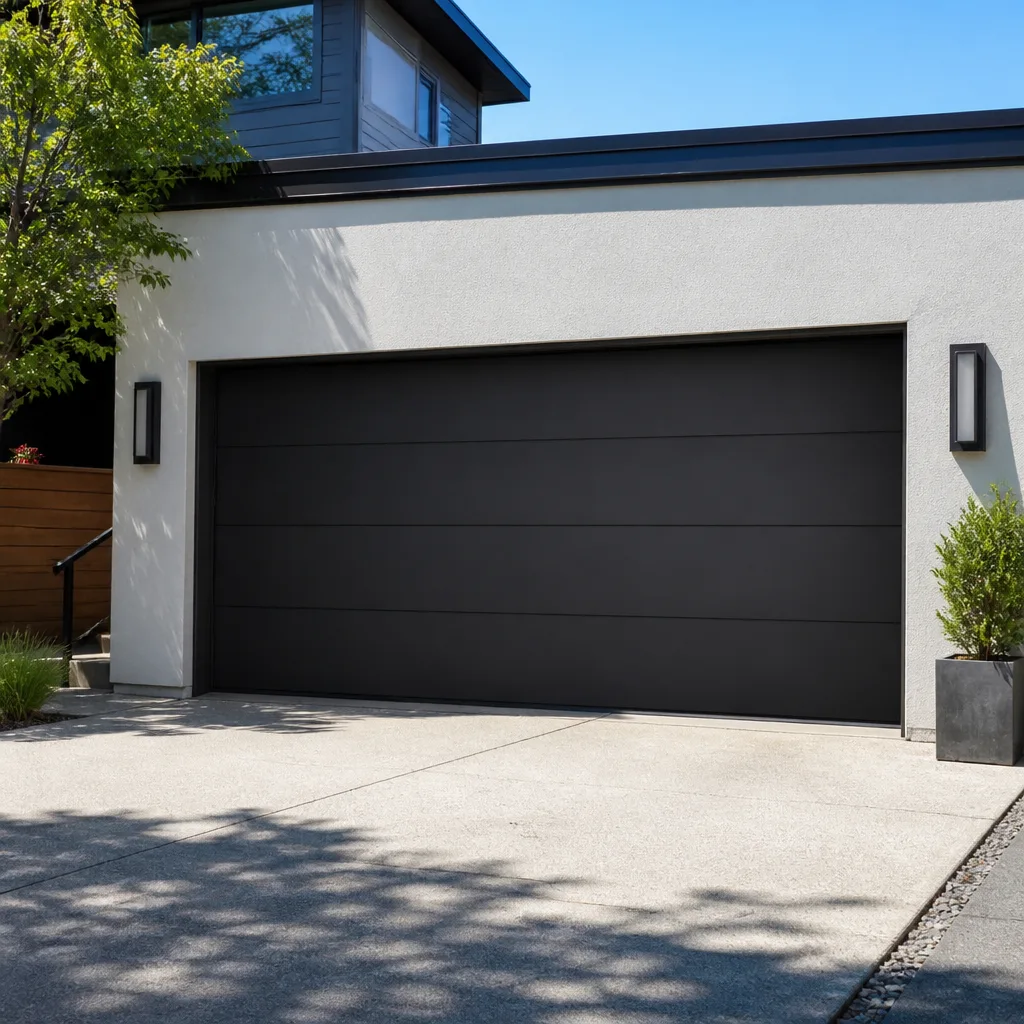 Modern flush
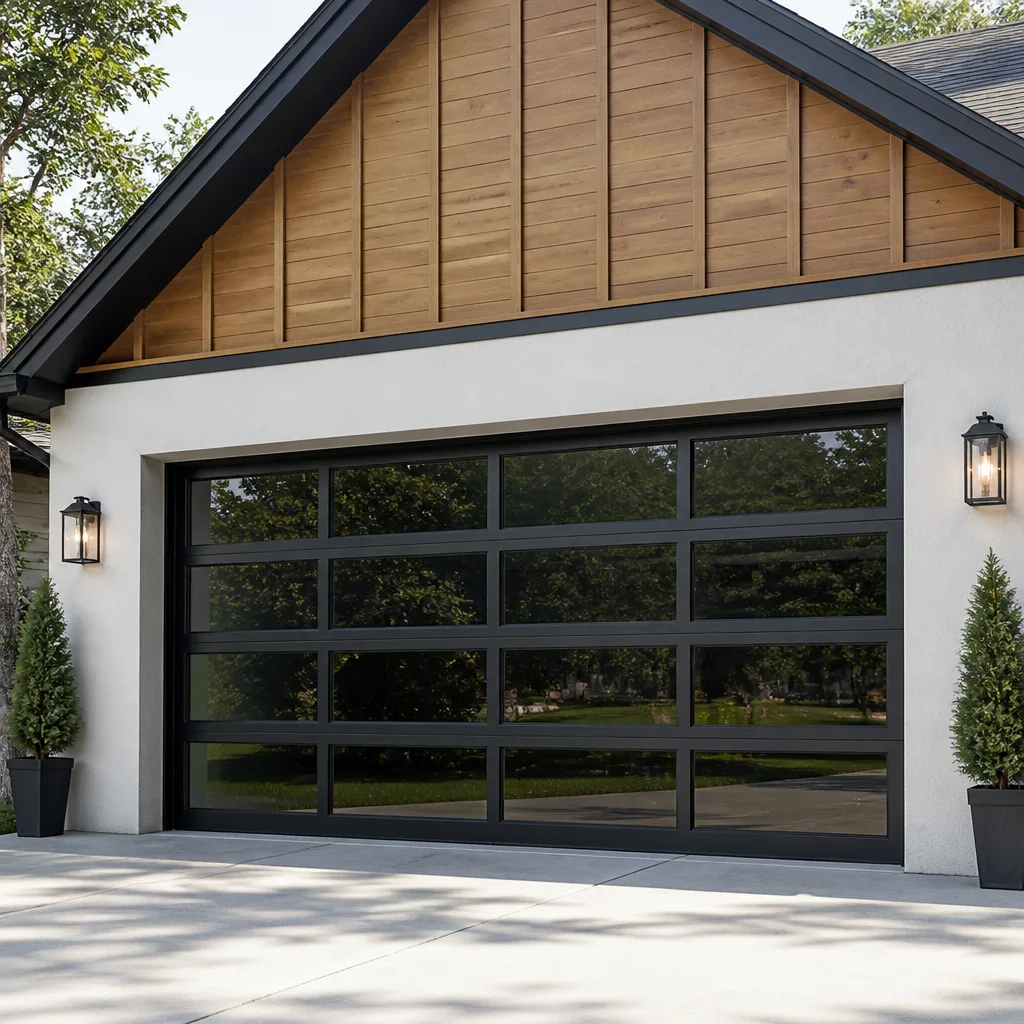 Full-view glass
 LiftMaster openers
 Chamberlain openers
Full 25-point door and opener safety check with every visit - springs, cables, rollers, tracks, and your LiftMaster or Chamberlain opener included
You get a price before we start. It does not change when the pro arrives.
Get your free estimateGarage Door Repair Maintenance Checklist for Waukegan Homeowners
The number one reason Waukegan homeowners end up with a door stuck open in January isn’t a dramatic failure. It’s a lubrication task that takes four minutes and gets skipped for three years. Cold finds every dry hinge, every dry roller, every torsion spring that’s been quietly losing tension since autumn, and it finds them at 6am on the worst possible morning. A garage door is the largest moving object in most homes, and it’s the one piece of equipment nobody thinks about until it stops. This guide is a season-by-season checklist built around how Waukegan actually wears on hardware: freeze-thaw cycles, lake-effect humidity in July, and road grit that works its way into tracks all winter. You’ll learn which tasks you can safely handle yourself, which ones belong to a technician, and how to catch problems at the $30 stage instead of the $400 emergency call stage.
Quick Answer
A garage door maintenance checklist for Waukegan should be done twice a year, with the heavier pass in late fall before the first hard freeze and a lighter pass in spring. DIY-safe items are visual inspection, track cleaning, roller and hinge lubrication with a cold-rated lubricant, and a balance test. Spring, cable, and opener-internals work belongs to a technician. Most mid-winter emergency calls trace back to skipped lubrication and loose hardware, not sudden catastrophic failure.
Styles & brands we work with
- Raised-panel steel
- Carriage house
- Modern flush
- Full-view glass
- LiftMaster openers
- Chamberlain openers
Table of Contents
- Why Waukegan Weather Changes the Maintenance Schedule
- DIY-Safe Tasks vs. Technician-Only Tasks
- The 60-Second Balance Test That Predicts Spring Failure
- Which Lubricants Survive a Waukegan Winter (and Which Make It Worse)
- The Three Hardware Points Most Homeowners Skip
- What to Document at Every Checkup
- The Fall Checklist, Step by Step
- The Spring Checklist, Step by Step
Why Waukegan Weather Changes the Maintenance Schedule
Waukegan sits right on Lake Michigan, and that shapes the maintenance calendar in ways a generic checklist written for a mild climate never accounts for. Winter here brings repeated freeze-thaw cycles, and those cycles are harder on garage door hardware than a steady deep freeze. Metal expands and contracts, lubricant thickens then thins, and condensation forms inside the opener housing and along the tracks as temperatures swing back and forth. The result is a door that works fine at 25 degrees and binds at 5 degrees.
Summer brings the opposite stress. Lake-effect humidity in July and August keeps the air heavy, and that moisture encourages rust on unpainted steel tracks, hinges, and the bottom section of steel doors. Homes in older Waukegan neighborhoods near the lakefront tend to see this first, but it happens inland too, especially in garages that aren’t heated or ventilated. Road grit is the third factor: all that winter sand and rock salt gets tracked into the garage and works its way into the track channels, where it grinds against the rollers every single time the door moves.
What this means practically: a single annual checkup isn’t enough here. The fall pass matters most because it prepares the door for the cold months when failures are most disruptive. The spring pass clears out winter debris, addresses any rust that started, and confirms the springs held their tension through the cold. Between those two visits, a few quick monthly habits go a long way.
- Fall (October – November): the critical pass, before the first hard freeze
- Spring (March – April): clear winter grit, check for rust and tension loss
- Monthly: a two-minute visual and listen check, nothing more
DIY-Safe Tasks vs. Technician-Only Tasks
The most useful thing a maintenance guide can do is draw a hard line, so here it is. Some tasks are safe for any homeowner with a ladder and a rag. Others are genuinely dangerous and belong to a trained technician, no exceptions. There’s no gray area on this, and treating a technician-only item as a weekend project is how people get hurt.
DIY-Safe Tasks
- Visual inspection of springs, cables, tracks, hinges, and panels from the ground
- Cleaning the tracks with a damp rag and a mild cleaner
- Lubricating hinges, rollers, and the torsion spring with a cold-rated spray lubricant
- Tightening hinge and bracket bolts with a socket wrench (never the spring hardware)
- Testing the balance of the door by hand
- Testing the safety reverse feature with a small object
- Wiping down and lightly lubricating the weather seal at the bottom
- Clearing debris and grit from the track channels
Technician-Only Tasks
- Adjusting, replacing, or even touching torsion or extension springs
- Adjusting or replacing the lift cables and their drums
- Removing or reattaching the bottom bracket
- Repairing or replacing the opener’s internal drive gears, logic board, or motor
- Realigning panels that have been bent or knocked out of square
- Replacing the torsion bar or its bearings
Torsion springs are under extreme tension even when the door is closed. Reaching for the winding bars without knowing exactly what you’re doing is how homeowners end up in the emergency room. Our technicians have up to 13 years of experience with spring work, and it’s a job many general handymen won’t take on for exactly this reason. If a spring is your concern, garage door spring repair is a technician’s job from the first minute.
The 60-Second Balance Test That Predicts Spring Failure
The balance test tells you whether your springs are still carrying the door’s weight properly, and it’s the single most useful thing you can do without tools. It takes about a minute and it catches tension loss long before a spring snaps. Running it once a month through winter is a smart habit, and it’s the closest thing you have to a warning system.
- Close the garage door completely.
- Pull the emergency release cord (the red handle) to disconnect the opener from the door.
- Lift the door by hand to about waist height, roughly halfway up.
- Let go. Do not push or guide it.
- Watch what happens. A properly balanced door holds its position or drifts only slightly. A door that sinks fast, or drops to the floor, means the springs have lost tension.
- A door that rises on its own means the springs are over-tensioned. Stop using the door and have it checked.
- Reconnect the opener by pushing the door fully open until the trolley clicks back in.
Why does this matter in Waukegan specifically? Cold makes steel springs more brittle, and a spring that was already carrying a slightly heavier load than it should has less margin when the temperature drops. The balance test catches that loss of margin while it’s still just a slow drift, not a snap. If your door fails the balance test, don’t keep running the opener. Every cycle on an undertensioned spring accelerates wear. Call a technician to check the springs before you have a stuck door in the middle of a cold snap. From there, a garage door repair visit can confirm whether just the springs need attention or the whole assembly does.
Which Lubricants Survive a Waukegan Winter (and Which Make It Worse)
The wrong lubricant is worse than no lubricant. That sounds counterintuitive, but the wrong product gets thick and gummy in cold weather and holds onto grit, binding the door instead of freeing it. For a Waukegan winter, use a lubricant rated for cold and resistant to running off. What you want is something that stays where you spray it and stays fluid well below zero.
What to Use
- Silicone spray or lithium grease for tracks, hinges, and rollers – both stay effective at low temperatures
- White lithium grease for the torsion spring, applied in a light wipe, not a heavy spray
- Dedicated garage-door lubricant if you can find one, since it’s usually formulated for the temperature range you actually get here
What to Avoid
- WD-40 or similar light penetrating oils as a lubricant – they evaporate and leave parts dry again within days, and they attract dust while they’re wet
- Heavy motor oil or axle grease – great for warm climates, but thickens and drags in cold weather
- Anything labeled for high-heat or high-pressure use – usually the wrong viscosity for a garage door
- Graphite powder in the tracks – a common recommendation online, but it can cake up with road grit in the Waukegan area
The rule of thumb: lubricate the moving metal parts with a light, cold-rated product, and go light. A thin coat does the job. Over-lubricating attracts grit, and grit is the enemy of a smooth-rolling door. This is one of the most common things we correct when homeowners ask us to look at a binding door. The fix is sometimes just cleaning the tracks and using the right spray. Our technicians work on the door and hardware brands you already have in your garage, including Clopay, Amarr, Wayne Dalton, and Genie, so the lubricant recommendation always matches what’s actually installed.
The Three Hardware Points Most Homeowners Skip
Most mid-winter failures trace back to the same handful of overlooked spots. These three hardware points get skipped because they’re slightly out of the way or because they don’t look like they need attention. They do.
1. The Hinges Between Sections
Every hinge that connects the door sections has a pin and a knuckle that needs lubrication, not just the visible face. These are the joints doing the flexing every time the door opens and closes, and in cold weather a dry hinge starts squeaking, then binding, then adding load to the opener. A quick spray on each hinge, from top to bottom, is one of the highest-value four minutes you’ll spend on the door. Most doors have six to eight hinges, and each one needs to be done individually.
2. The Roller Stems and Bearings
The roller wheels themselves get more attention than the stems they ride on, but the stems are where friction builds. Steel rollers run on a bearing that goes dry over time, and nylon rollers can develop flat spots. Lubricate the stem, spin each roller by hand, and replace any that wobble, drag, or have flat spots. In a cold climate, a roller that was already marginal can seize when the grease on its bearing thickens. That’s one of the most common causes of a door that suddenly stops partway up.
3. The Bottom Bracket and Bottom Seal
The bottom bracket holds the cable attachment and the bottom of the door frame, and the rubber seal beneath it is the home’s barrier against cold and moisture. The seal takes a beating in winter, cracking and loosening. Check the seal for tears, especially after a cold snap, and check that the bottom bracket bolts are tight. Do not remove or adjust the bracket itself. That’s a tension-loaded part of the door. Just inspect it and note it. If it looks loose or damaged, that’s a technician task, and it’s a safety item worth calling about quickly.
What to Document at Every Checkup
Keeping a simple record pays off twice: it helps you spot slow changes, and it gives a technician a faster diagnosis, which often means a smaller bill. A technician who arrives knowing the door’s recent history doesn’t have to start from scratch. A technician who arrives cold has to test and re-test, and that time gets billed.
A useful record is short. Keep it on a clipboard in the garage or in the notes app on your phone. Log the date and what you see.
- Date of each checkup – establishes a timeline you can look back at
- Balance test result – “held position,” “drifted slowly down,” “rose on its own”
- Spring condition – visible rust, gaps in the coil, sagging, or noise levels
- Cable condition – any fraying, kinking, or slack
- Roller condition – smooth, wobbly, or flat-spotted, with which ones noted
- Opener behavior – hesitation, unusual noise, blinking lights, or remote-range problems
- Door speed – does it seem slower or faster than last month?
- Weather notes – “after first freeze,” “after heavy rain,” “squeaking returned”
- Any lubrication done – which product and which parts
- Anything that seems different – a good technician wants to hear this
When you call for a visit, mention the record. If you’re seeing the same issue come back after lubrication, that’s a signal the part needs replacing rather than re-lubricating. We can often arrive with the right parts the first time when we know what’s been happening, rather than making a second trip. For bigger jobs where the door is genuinely at end of life, a WAUKEGAN GARAGE DOOR REPAIR PROS team can quote a replacement door and opener in the same visit, so you’re not left calling a second company.
The Fall Checklist, Step by Step
The fall pass is the one that matters most in Waukegan. If you only do one full checkup a year, do this one. Target late October or early November, before the first hard freeze, so you’re not doing the work with freezing fingers and a flashlight.
- Clear the tracks. Wipe down each track channel top and bottom with a damp rag to remove summer dust and grit. Check for bends or dents, which will need a technician.
- Clean and inspect the tracks for alignment. Look down the length of each track. Both sides should be straight and parallel. A visual check from the ground is enough.
- Lubricate hinges, rollers, and the torsion spring. Use a cold-rated silicone or lithium product. Spray each hinge pin and roller stem. Do not spray the tracks themselves.
- Test the balance. Run the 60-second test described above. Note the result.
- Tighten bolts. Run a socket wrench over the hinge, bracket, and track bolts. Snug, not cranked down hard.
- Test the safety reverse. Place a small object on the floor under the door, close it, and confirm the door reverses. If it doesn’t, the opener needs attention.
- Check the weather seal. Look for cracks and tears at the bottom edge. Replace if needed.
- Test the opener’s emergency release. Pull the red cord and confirm it disconnects, then reconnects cleanly.
- Look at the springs. From the ground, check for rust, gaps in the coils, and sagging. Do not touch them.
- Record everything. Log what you did and when.
If the balance test fails, or a spring looks compromised, don’t wait for the door to stop working. Call for a technician visit. A door that’s binding in November is a door that will refuse to open in January. For commercial doors or any situation where the door is stuck right now, a garage door opener repair can usually be scheduled the same day.
The Spring Checklist, Step by Step
The spring pass is lighter. The main goal after winter is to clear out the grit the door accumulated over the cold months and to confirm nothing was damaged by the freeze-thaw cycles.
- Clear winter grit from the tracks. Waukegan road sand and rock salt collect in the track channels. Wipe down thoroughly with a damp rag.
- Check for rust. Look at hinges, the bottom of the door, and the track itself. Rust is most likely on the bottom edge and the metal joints. Light surface rust can be sanded and touched up. Significant rust is a technician’s call.
- Re-run the balance test. The door should still hold position or drift only slightly. If winter moved the door from “balanced” to “sinking,” that’s a spring tension loss signal. Book a check.
- Lubricate again. Hinges and rollers again, cold-rated product. This is a good time to switch to a fresh can if the fall can is nearly empty.
- Test the safety reverse. Same as in fall. Confirm the door reverses on contact.
- Examine the weather seal. Winter is hard on the seal. Replace any cracking or torn sections.
- Listen. Run the door up and down a few times and listen. Normal sound is a steady hum. Grinding, squealing, or a rattle is a sign a component is loose or worn.
- Check the opener’s remote and wall button. Make sure both work, and if the opener has a battery backup, confirm it’s functioning. Most newer Chamberlain and Genie openers include one.
- Note the door speed. A door that has become noticeably slower or faster is telling you something changed. Document it.
- File the record. Same routine as the fall pass.
Common Mistakes to Avoid
- Using WD-40 as a lubricant. It’s a solvent, not a lubricant, and it leaves the parts dry again within days. The binding comes back worse, and the door now has grit mixed into whatever residue is left.
- Over-lubricating the tracks. The tracks should be clean and dry, not coated. Lubricant on the track attracts dirt and grit, which is what makes a door bind in the first place. The rollers need the lubricant, not the track.
- Ignoring the balance test. A door that sinks is telling you the springs have lost tension. Running the opener on it accelerates wear and eventually fails the spring, usually at the worst possible time. This is the mistake behind more January emergency calls than anything else.
- Trying to tighten or adjust the torsion spring yourself. This is not a tightening job, and the tools matters more than the strength. Springs are under tension even with the door closed. Every year, homeowners are injured trying this. Leave it to a trained tech.
- Skipping the fall checkup. A Waukegan winter is hard on hardware. Going into it with a dry door and a loose hinge is asking for a cold-morning failure. The four-minute lubrication task is the whole point.
- Replace vs. repair decisions made without a diagnosis. A door that seems beyond repair is often a single worn component, and a door that seems fine is sometimes near failure. Get a straight diagnosis before deciding, and never accept a replacement quote without one.
- Not keeping a record. If a technician arrives without any history, they have to test everything from scratch, which takes time and shows up on the bill. A one-page log saves that.
See the difference
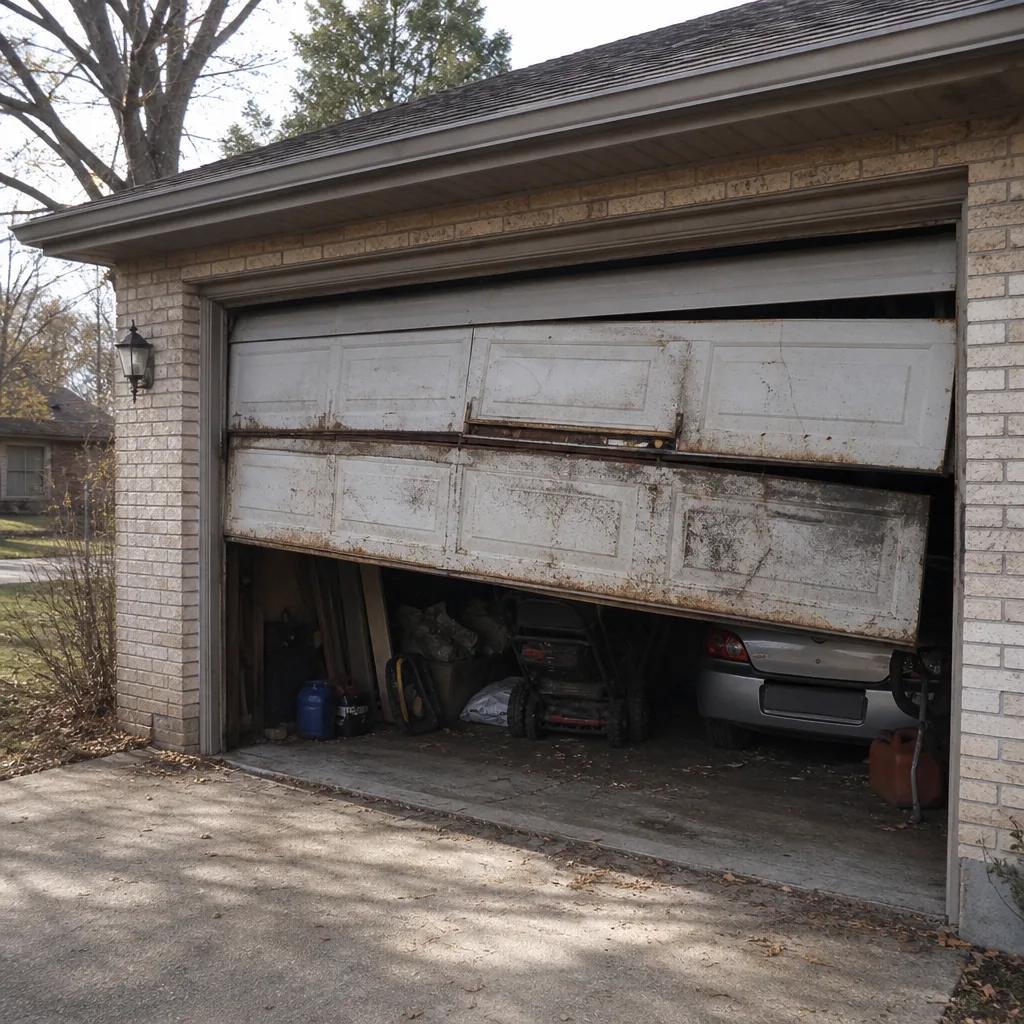 Before
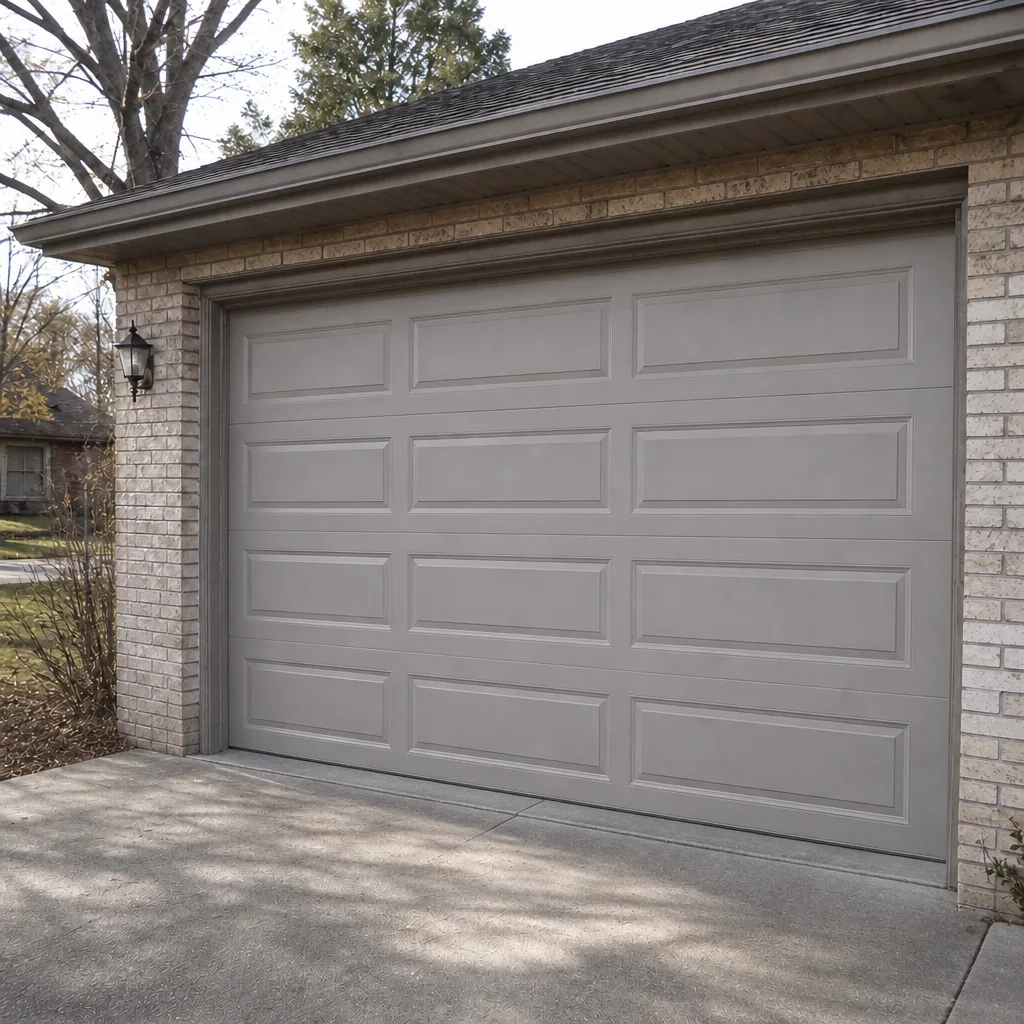 After
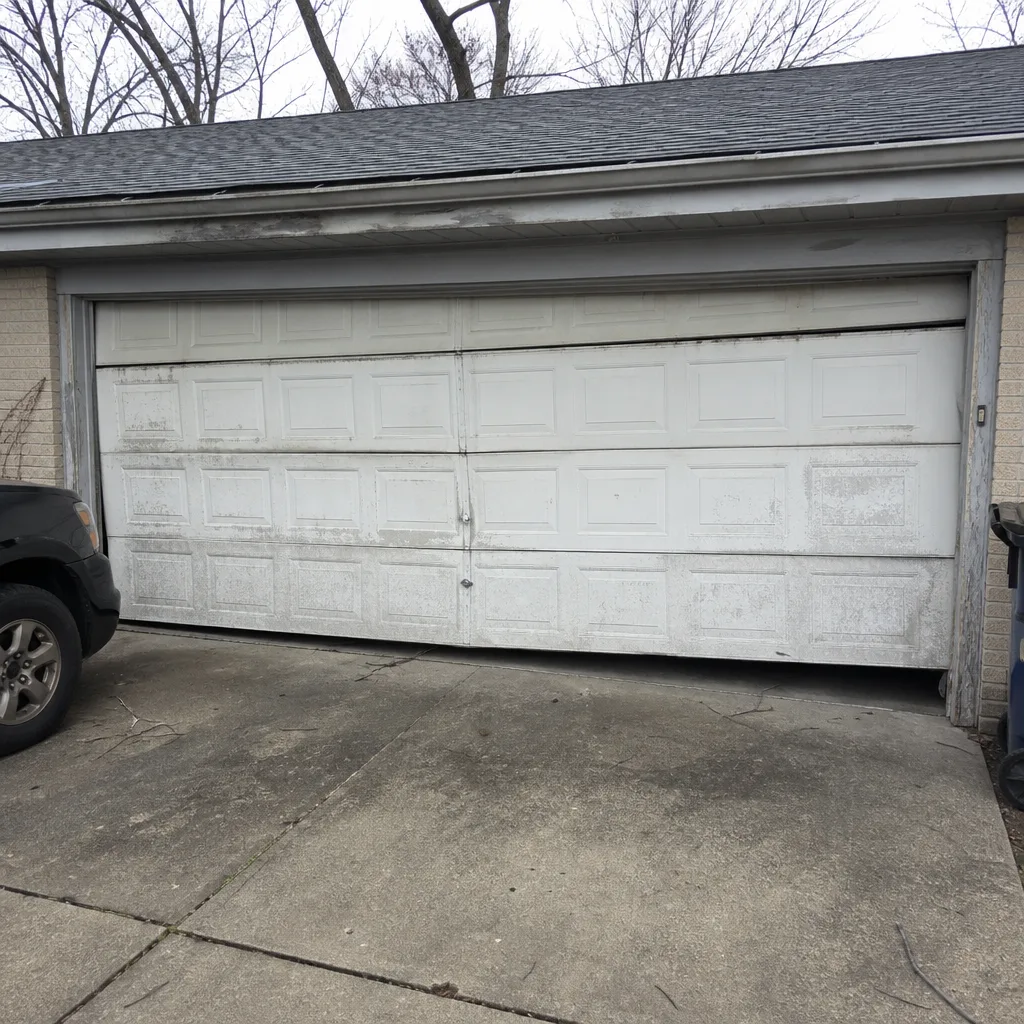 Before
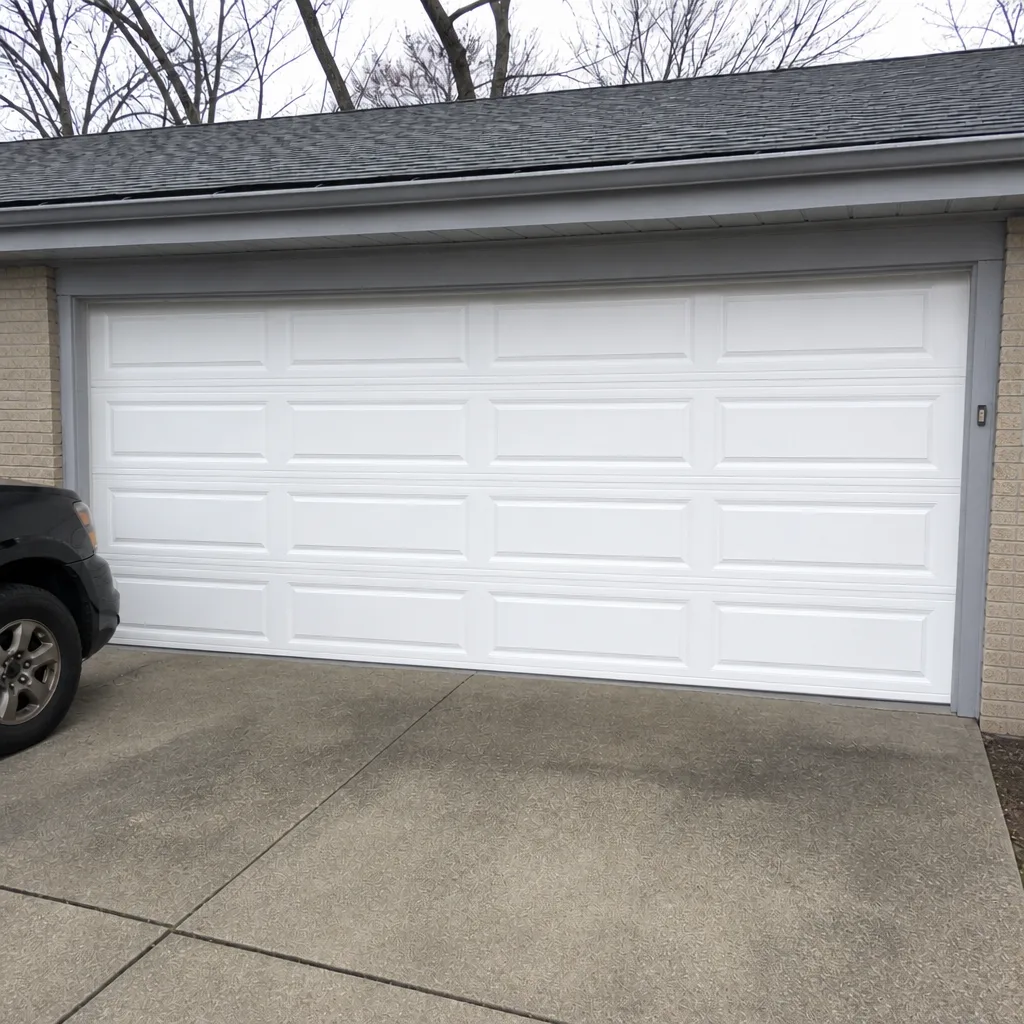 After
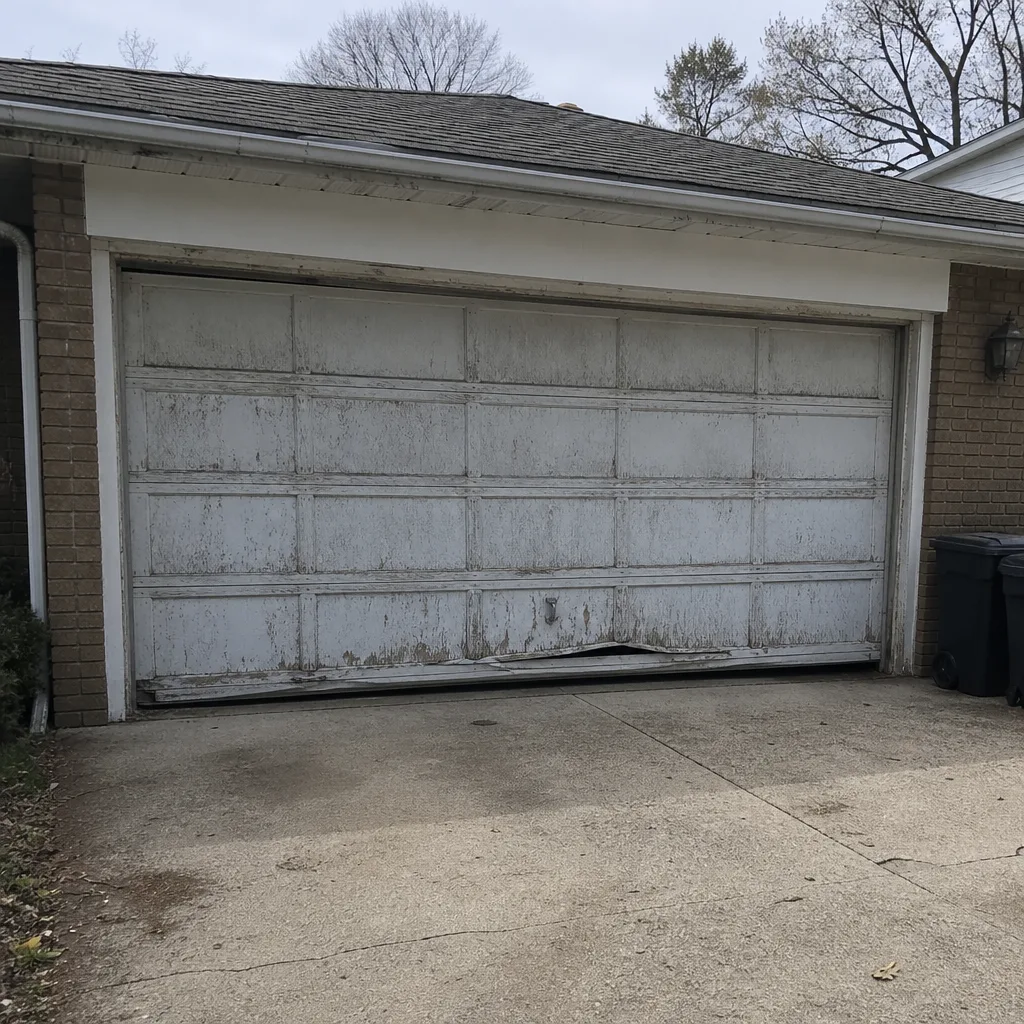 Before
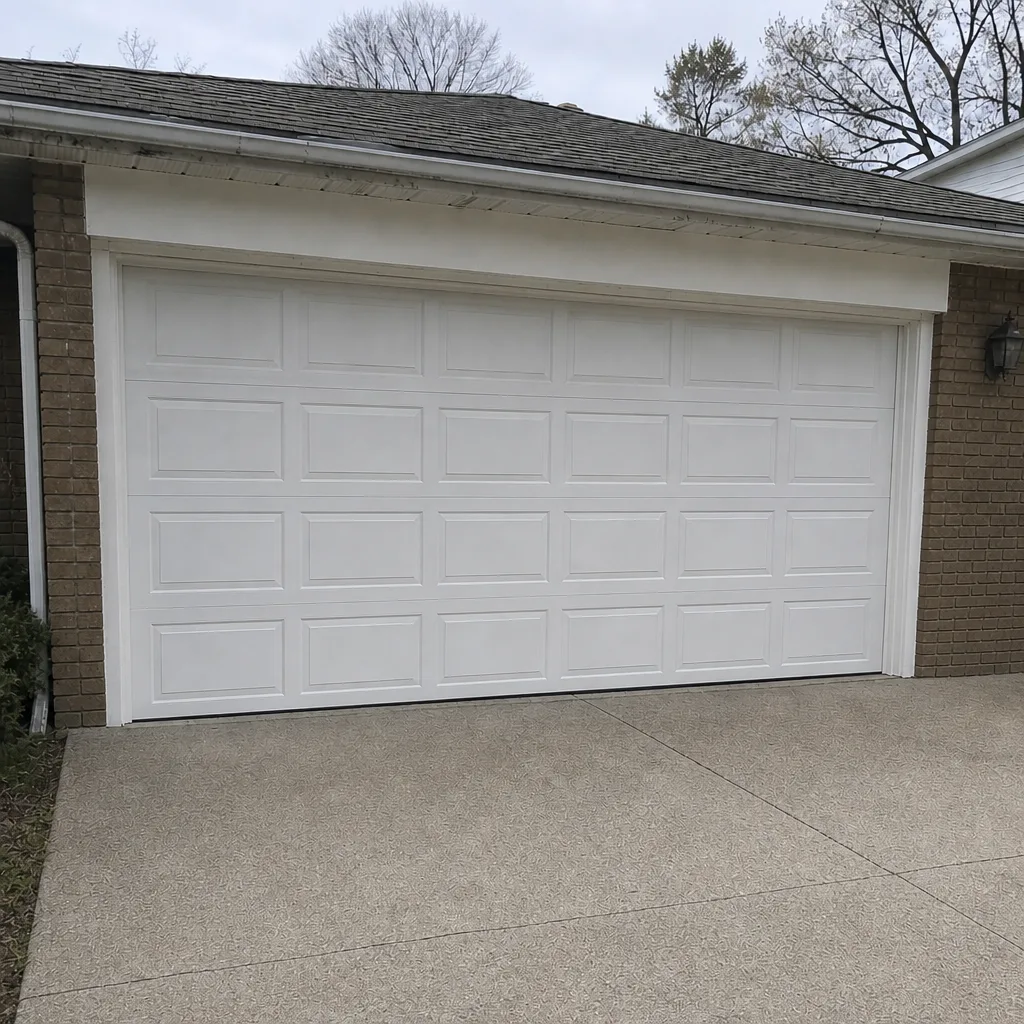 After
When to Call a Professional
Call a professional for any of these: a door that won’t open or close at all; a snapped spring (you’ll usually hear a loud bang and see a gap in a coil); a cable that’s kinked, frayed, or hanging loose; a door that’s visibly off its tracks; a door that closes and then reverses for no reason; a door that moves in jerky motions or pauses mid-travel; an opener that smells hot, hums without moving, or refuses to respond to the remote even with new batteries; anything that involves the bottom bracket or the spring assembly. Any of these deserve a proper diagnosis, not another round of lubrication. Waukegan Garage Door Repair Pros offers free estimates in Waukegan. Call (855) 658-5278 and we’ll book a visit. When your door won’t move, we do.
Frequently Asked Questions
Twice a year: once in late fall before the first hard freeze, and once in spring after the winter. Between those, a monthly two-minute visual and listen check catches small problems early. Waukegan’s freeze-thaw cycles are hard on oil and springs, so twice a year is the minimum, not the ideal.
You can lubricate the hinges, rollers, and torsion spring yourself. Use a cold-rated silicone or lithium product and apply it lightly. Do not lubricate the tracks, and do not touch the springs with tools. If the door still binds or squeaks after a home lubrication pass, call a technician. Call (855) 658-5278 for an exact quote; estimates are free.
Dry hinges and rollers, loose bolts, and springs that were already losing tension. Cold makes a dry door far harder to move. Almost every winter failure is a small maintenance item skipped in the fall, and the fix in the fall is usually a few dollars of lubricant rather than a service call.
No. The written estimate we give you before any work starts is the final price, and we confirm the scope on-site before we begin. If the diagnosis changes, we stop, explain what we found, and re-quote before continuing. You always approve the price before we do the work.
The local technicians we connect you with are licensed and insured as their state requires. Our technicians have up to 13 years of experience, and spring repair is a dedicated service rather than a sideline. We work with the brand you already have, including LiftMaster, Chamberlain, Genie, Clopay, Amarr, Wayne Dalton, Craftsman, and Raynor.
Yes, emergency service is available for stuck or broken doors that can’t wait. Same-day visits are often possible on repair calls, and we schedule around what’s urgent. Call (855) 658-5278 and we’ll find the soonest opening. For non-emergency installation or replacement, we schedule a free measure and a written price instead.
The Bottom Line
A garage door maintenance checklist for Waukegan isn’t about doing more work. It’s about doing the right four-minute tasks at the right times of year. Lubricate hinges and rollers in the fall before the cold arrives. Clear winter grit in the spring. Run the balance test monthly through the cold months. Keep a one-page record so any technician can diagnose faster and charge less. Leave springs and cables to a pro. Do that and most of the emergency calls that hit Waukegan garages in January never happen. For the jobs that do need a technician, we’re a phone call away at (855) 658-5278, with free estimates and a written price before any work begins.
Written by the team at Waukegan Garage Door Repair Pros.