Last updated November 22, 2026
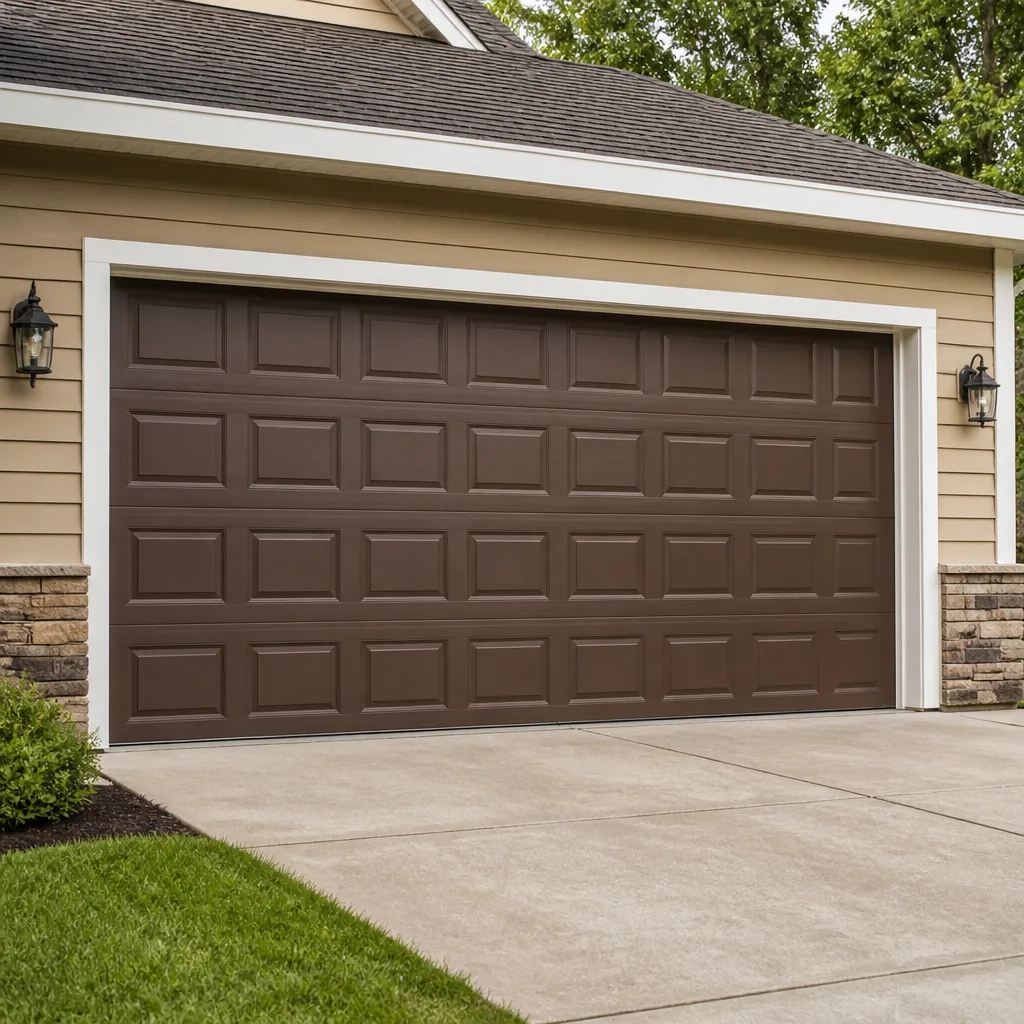 Raised-panel steel
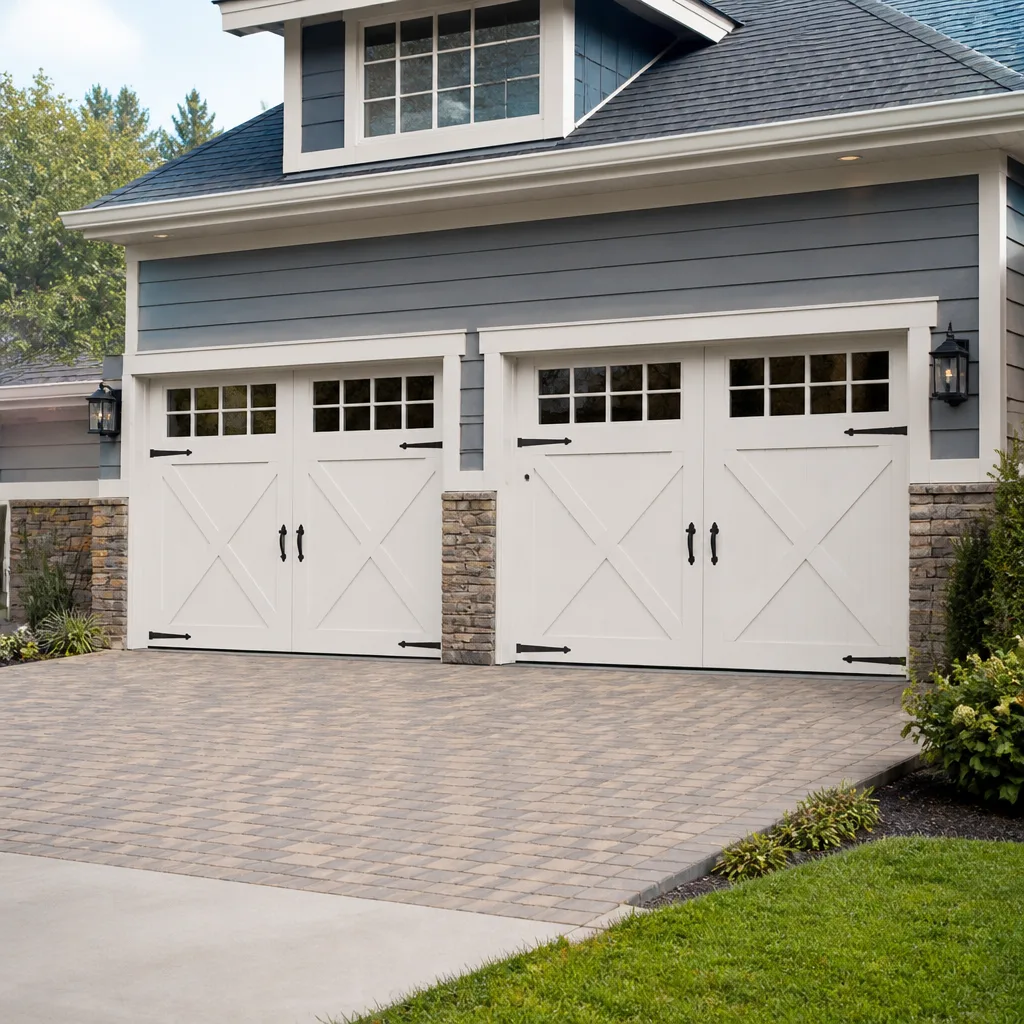 Carriage house
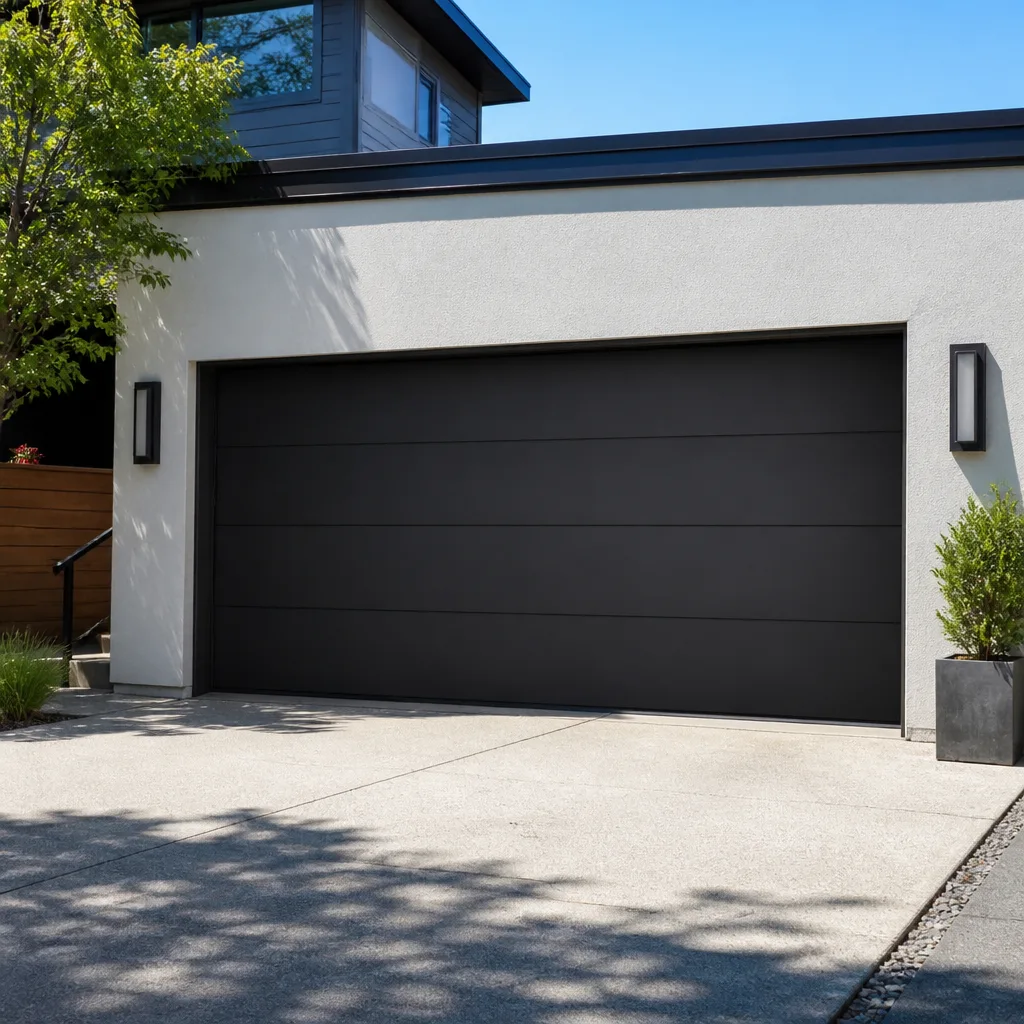 Modern flush
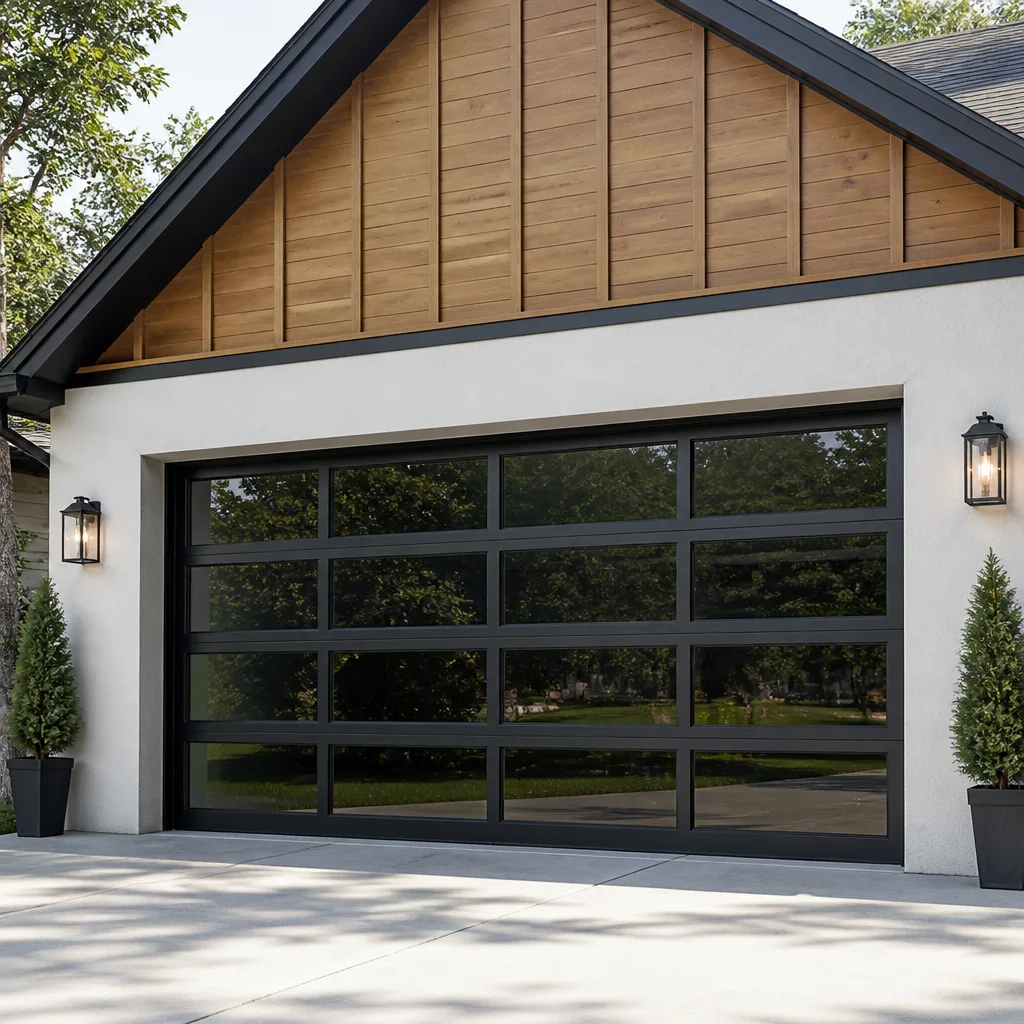 Full-view glass
 LiftMaster openers
 Chamberlain openers
Full 25-point door and opener safety check with every visit - springs, cables, rollers, tracks, and your LiftMaster or Chamberlain opener included
You get a price before we start. It does not change when the pro arrives.
Get your free estimateGarage Door Permits, Codes & Inspections in Waukegan, IL: What You Need to Know
An unpermitted garage door installation won’t get you a fine next week. It usually surfaces during your home sale in four years, at the worst possible time, when a buyer’s inspector flags work that never went through the city. Most Waukegan homeowners assume a simple door swap doesn’t need a permit, and plenty of contractors quietly skip the paperwork to close jobs faster. That leaves you holding liability you didn’t know existed. This guide maps exactly when a permit is required in Waukegan, what inspectors look for, how to confirm your contractor pulled the right permit, and what to do if you discover a previous owner’s unpermitted work before you list.
Quick Answer
In Waukegan and across Lake County, replacing a garage door in a way that changes its size, framing, or structural attachment usually requires a building permit, while a like-for-like swap of the same door in the same opening often does not. Attached garages open into the living space, so fire separation requirements apply and inspectors check door seals, opener safety features, and spring installation before sign-off. When in doubt, call the city’s building department before work starts and ask whether your specific job needs a permit.
Styles & brands we work with
- Raised-panel steel
- Carriage house
- Modern flush
- Full-view glass
- LiftMaster openers
- Chamberlain openers
Table of Contents
- When Does a Garage Door Replacement Need a Permit in Waukegan?
- What Illinois Code Requires for Springs, Openers, and Fire-Rated Doors
- How to Confirm Your Contractor Pulled a Permit Before Work Starts
- The Waukegan Inspection Checklist: What to Expect
- What to Do If You Discover Unpermitted Work Before Listing
- How Lake County Winters Affect Doors, Springs, and Inspections
- What Permits Add to Your Garage Door Job Estimate
When Does a Garage Door Replacement Need a Permit in Waukegan?
There’s no single sentence in the code that says “garage doors need permits.” The rule depends on what the job actually changes. That’s why the answer varies from door to door, and why a contractor who promises “we don’t need a permit, it’s just a swap” may be right or may be wrong. The honest answer is that you have to describe the job and ask.
Here’s the working threshold most Waukegan inspectors use to decide whether a garage door project crosses the line into permitted work:
- Same door, same opening, same size: a straight replacement of a worn-out door with a new one of identical width and height in the existing frame usually doesn’t trigger a permit. Cosmetic panel swaps fall in this bucket too.
- Changing the door size or opening: going from a single to a double door, or widening or heightening the rough opening, almost always needs a permit and often engineering.
- Structural changes: removing a header, altering the wall framing around the opening, or adding posts to carry a longer span requires a permit and inspection.
- New garage construction or attached garage additions: always permitted, and the garage door is part of the final inspection.
- Electrical work on openers: running a new circuit or adding an outlet for an opener is permitted electrical work, separate from the door itself.
If your job is a genuine like-for-like swap and your contractor says no permit is needed, that’s plausible. Ask them to put it in writing on the estimate. If they can’t or won’t, treat that as a warning sign. For a deeper look at what a standard job involves, see our garage door repair page. When you’re replacing rather than repairing, the permit question comes up often enough that it’s worth asking up front before anyone orders parts.
One more thing: even a “just a swap” job can trigger a permit if the door you’re installing has different wind-load ratings, different fire-rated construction, or a different opening mechanism than the original. If your original door was a fire-rated assembly on an attached garage, a replacement has to match. That’s a code issue before it’s a permit issue, and it’s covered in the next section.
What Illinois Code Requires for Springs, Openers, and Fire-Rated Doors
Illinois doesn’t publish its own statewide garage door code. Local jurisdictions like Waukegan adopt model codes, and the most common framework is the International Residential Code (IRC), or a state-modified version of it, applied at the county and city level. What that means for you is that the requirements you actually have to satisfy come from Waukegan’s building department, not a single state document. Here’s what those codes usually require in practice.
Springs and the methods of restraint
Any door with extension springs must have a safety cable running through or alongside each spring, so that if a spring breaks it can’t fly loose. Torsion springs don’t use cables, but they do need a proper mounting and restraint setup. This is not the kind of thing an inspector is going to test with a flashlight – it’s checked visually, but it’s the exact area where unpermitted work slips through. Springs carry the full weight of the door and store enormous energy. For a clearer look at why this matters, our garage door spring repair page explains what trained handling looks like and why this is one repair we never recommend as DIY.
Automatic openers and reversal safety
Modern openers must have two built-in safety features: a photoelectric eye at the bottom of the opening that stops and reverses the door when the beam is broken, and a contact reversal that sends the door back up if it hits something on the way down. These are checked at inspection. If your existing opener is a legacy unit without working safety eyes, an inspector can fail the install until it’s brought up to spec, even if the door itself is fine. This is where brand matters – a Clopay or Amarr door paired with a mismatched legacy opener can create problems an inspector catches fast. Our garage door opener repair page covers how brand-matched opener fixes usually go.
Fire-rated doors on attached garages
When a garage is attached to the house, the wall between garage and living space has a fire separation requirement, and the garage door itself – the overhead door, not the pass door – is part of that system. An inspector will confirm the door is a rated assembly if the original was one, and will confirm the pass door is rated if one exists. Replacing a fire-rated overhead door with an unrated one because it was cheaper is a code violation, and it can come back to bite you at sale.
Header, tracks, and load
The track and header above the door carry the combined weight of the door and the springs. Inspectors check that track hardware is properly anchored to the framing and that any header change was done with the right fasteners and blocking. Sagging or improperly anchored track is one of the most common failure points on DIY installs and the reason a permit-and-inspection loop is worth the time on bigger jobs.
How to Confirm Your Contractor Pulled a Permit Before Work Starts
The single most effective protection against unpermitted work is to verify the permit yourself before anyone shows up. A contractor who says “we’ll handle the paperwork” and then never files it is the exact scenario that leaves homeowners exposed at sale. This is also a place where some crews skip permits not because they’re cutting corners but because they genuinely don’t realize the job crosses the threshold – which is why you want the answer in writing.
Here’s the process we recommend to any Waukegan homeowner on a job that needs a permit:
- Ask the contractor at estimate time whether a permit is required. A clear “yes, because X” or “no, because Y” is a good sign. A vague “probably not” is not.
- Get the permit responsibility in the written estimate. Who pulls it, who pays the fee, and who schedules the inspection should all be spelled out.
- Ask for the permit number once it’s issued. If the contractor doesn’t have it yet, ask when they expect it.
- Call Waukegan’s building department and verify. Give them the address and the permit number and confirm the permit shows the scope you’re actually getting. A permit for “minor repair” when the job is a full door replacement is not the permit you want.
- Confirm inspection scheduling. A permit without an inspection isn’t finished work – it just means someone filed the paperwork. Make sure the inspection happens before final payment.
Any reputable contractor will expect this and won’t be bothered. If a contractor pushes back on the request to see the permit, or waves it off with “we don’t need to bother with that,” we’d take that seriously. Another useful pre-emptive step: request a copy of the written scope of work alongside the permit number so you can compare them.
One pattern we’ve seen more than once: a homeowner hires a general handyman for a straightforward door replacement because the price looks better, the handyman swaps in a door without pulling a permit, and then two years later the buyer’s inspector spots an unpermitted install. That’s a headache that costs more than the permit would have. If the job is more involved than a simple swap, consider a repair specialist who works with Waukegan permits on a regular basis. You can start with Waukegan Garage Door Repair Pros to talk through whether your job needs a permit at all.
The Waukegan Inspection Checklist: What to Expect
A Waukegan garage door inspection is not a mechanic’s repair review. It’s a code compliance check. The inspector is confirming the work meets the permitted scope and doesn’t create a safety or fire hazard. Knowing what they’ll look at takes the surprises out of the day.
Here’s what an inspector typically walks through:
- Permit and scope match: the work on site matches the permitted scope. If the permit was for a like-for-like replacement and you added a window, that’s a red flag.
- Door attachment: brackets, hinges, and the header connection are properly anchored to framing with the correct fasteners.
- Spring restraint: extension springs have safety cables, torsion springs have proper restraint and mounting.
- Track alignment: track is plumb, level, and the door’s travel is smooth without binding at the opening or closing.
- Opener safety eyes: the photoelectric sensor is installed at the correct height and triggers reversal when blocked.
- Contact reversal: a test object under the closing door causes it to reverse. On modern openers this happens automatically.
- Fire rating on attached garages: if the original door was rated, the replacement matches. The pass door, if present, is rated and self-closing.
- Weatherstripping and seals: a properly fitted bottom seal and side weatherstripping keep water and cold air out, which matters in Lake County winters.
- Manual release: the emergency pull cord releases the door from the opener and the door operates by hand without binding.
- Warning labels: spring warning labels and opener safety labels are present and legible.
Most inspections take under half an hour. The most common reasons a door fails are opener safety eyes that aren’t working, missing spring cables, and track that isn’t correctly anchored. All three are simple fixes if the installer did the work right, and all three are frequent on DIY or handyman installs. If your install fails, the fix usually means a return visit – so it’s worth having the crew on standby for the inspection day if the job is substantial. For a sense of what a quality install looks like across brands like Clopay or Amarr, ask your contractor to walk you through the checklist before the inspector arrives.
What to Do If You Discover Unpermitted Work Before Listing
Discovering that a previous owner installed a garage door without a permit is more common than you’d think. It’s usually not a disaster. But it needs to be dealt with before you list, because it becomes the buyer’s problem the moment the sale closes, and that conversation usually turns into a price reduction.
Here’s the sequence we recommend:
- Pull the permit history. Call Waukegan’s building department with your address and ask for a permit history. They’ll tell you what was and wasn’t pulled. It’s a phone call, and it’s the fastest way to know what you’re dealing with.
- Have the work assessed. An experienced garage door technician can look at the install and tell you whether it’s a safety problem or just a paperwork problem. Some unpermitted installs are perfectly safe – they just weren’t filed. Others are missing springs restraint, have improperly anchored track, or use a non-rated door where a fire-rated one belonged.
- Decide between remediation and retroactive permitting. If the work is sound, you may be able to apply for a permit after the fact and get an inspection. If the work isn’t sound, expect to replace the parts that don’t meet code.
- Document everything. Keep copies of the inspection report, permit, and any remediation invoice. When a buyer’s attorney asks, having the paper trail is the difference between a smooth close and a negotiation.
- Disclose. In Illinois, sellers have a disclosure obligation on known material defects, and unpermitted work that could affect safety or value is generally something to disclose. Talk to your real estate attorney for the details specific to your situation, but don’t wait until the buyer’s inspector finds it.
The good news is that most unpermitted garage door installs are fixable with a proper repair visit. Safety eyes that weren’t wired correctly, a missing spring cable, or a bottom seal that was never fitted properly are all fixable on a single trip. If the door itself is the wrong rating, the discussion is bigger. For the typical fix, see what a garage door repair visit covers.
How Lake County Winters Affect Doors, Springs, and Inspections
Waukegan sits on the western shore of Lake Michigan, and the winters here are colder than the Illinois average. That climate reality shapes several of the code and inspection questions homeowners actually have.
A garage door carries a lot of weight, and in a cold climate that weight changes as parts contract and steel stiffens. Springs that were borderline in the fall can snap under the first hard freeze, and doors that were misaligned can bind more in cold weather. From an inspection standpoint, that means the inspector will check the door’s travel on opening and closing, and they’ll look at bottom seals and side seals. A door that binds isn’t just annoying – it’s a sign the install wasn’t right, and fixing it before the inspector arrives is a lot easier than after. If your door has started to bind or stick in the cold, our garage door repair team can usually identify the issue quickly.
Spring failures in Lake County also tend to cluster: cold snaps and big temperature swings put stress on torsion and extension springs. If you’re looking at a spring replacement, this is a safety-critical job – extension springs need safety cables, torsion springs need proper restraint, and both require the door’s weight to be correctly balanced. Our technicians won’t install a spring without putting the restraints in place, because a failed spring is dangerous. For a broader look at what this kind of job involves, see our garage door spring repair page. The point from a code angle is this: if your install needs an inspection, an inspector watching a door open and close in cold weather is going to notice binding and misalignment that would have been fine in July.
The lake climate matters for openers too. Cold morning starts are harder on opener motors, and a legacy unit that was fine in the fall can start throwing errors when the motor struggles. If your opener has gotten sluggish or stopped responding in the cold, garage door opener repair can often restore a legacy unit rather than replace it. Inspections in winter are less common than in summer, but if your job is scheduled for late fall or early winter, ask your contractor to walk through the door operation with the door cold before the inspector arrives.
The housing stock around Waukegan is a mixed bag. Older homes near the lakefront often have original or older replacement doors, and some of the neighborhoods near downtown carry original framing that’s worth having a technician look at closely before choosing a replacement. Newer construction around the city tends to use modern rated doors, which reduces the fire-rating questions. Either way, the code and permit questions in Waukegan rarely have a single answer, and the contractor you work with should be thinking through these details before the door is ordered.
What Permits Add to Your Garage Door Job Estimate
Permit fees in Waukegan are set by the city and the county, and they vary by project type. They’re not large compared to the cost of the door itself, but they do affect how the estimate is structured, and how the job is sequenced. Here’s roughly how a typical Waukegan garage door job breaks down once permits are on the table:
- Door and hardware: the largest line item – varies widely with door style, material, and brand. A Wayne Dalton or Clopay replacement is priced accordingly.
- Labor and installation: quoted separately by most contractors, and a like-for-like swap is less than a full opening change.
- Permit fee (if required): set by the city, and quoted on the estimate when the job crosses the permit threshold.
- Electrical work (if required): if your opener needs a new circuit or outlet, expect a separate line item from a licensed electrician.
- Inspection-related fixes (if any): if the inspection fails, a return trip and any corrective work may add to the total. A good contractor will flag likely failure points before the inspection.
- Repair vs. replace: a repair like a spring replacement or opener fix is usually less than a door replacement, but the permit question doesn’t go away if a tracked repair changes the door’s operation.
Ask your contractor to itemize the permit fee separately so you know what you’re paying for. Don’t sign an estimate that bundles “permit and inspection” without showing the amount. And when a contractor tells you no permit is needed, they should still be able to tell you why, with specifics about your job, not a generic “we’ve never needed one here.”
If you’re comparing a repair to a replacement, keep the permit cost in the comparison. A door replacement carries a permit fee that a spring repair doesn’t. A reputable contractor will help you see the full number, not just the parts line.
Common Mistakes to Avoid
- Assuming a door swap never needs a permit. A like-for-like replacement often doesn’t, but any change to size, framing, or fire rating usually does. Ask the city before assuming.
- Taking a verbal “we’ll handle the permit” as good enough. Get it in writing, with a permit number you can verify with Waukegan’s building department before work starts.
- Letting a handyman install a rated door in place of an unrated one, or vice versa. Fire-rated doors on attached garages aren’t optional. Swapping the rating is a code violation that follows you to sale.
- Skipping the inspection because the permit was pulled. A permit without a completed inspection isn’t closed out work. Confirm the inspection happens before final payment.
- Ignoring the opener safety eyes. A failed sensor is the most common inspection failure, and it’s the fastest fix. Have the opener tested before the inspector arrives.
- Not pulling the permit history before listing a home. A phone call to Waukegan’s building department now is far cheaper than a buyer’s correction request later.
- Assuming unpermitted work means a full replacement. Many unpermitted installs are fixable on a single visit. Get an assessment before spending more than you need to.
See the difference
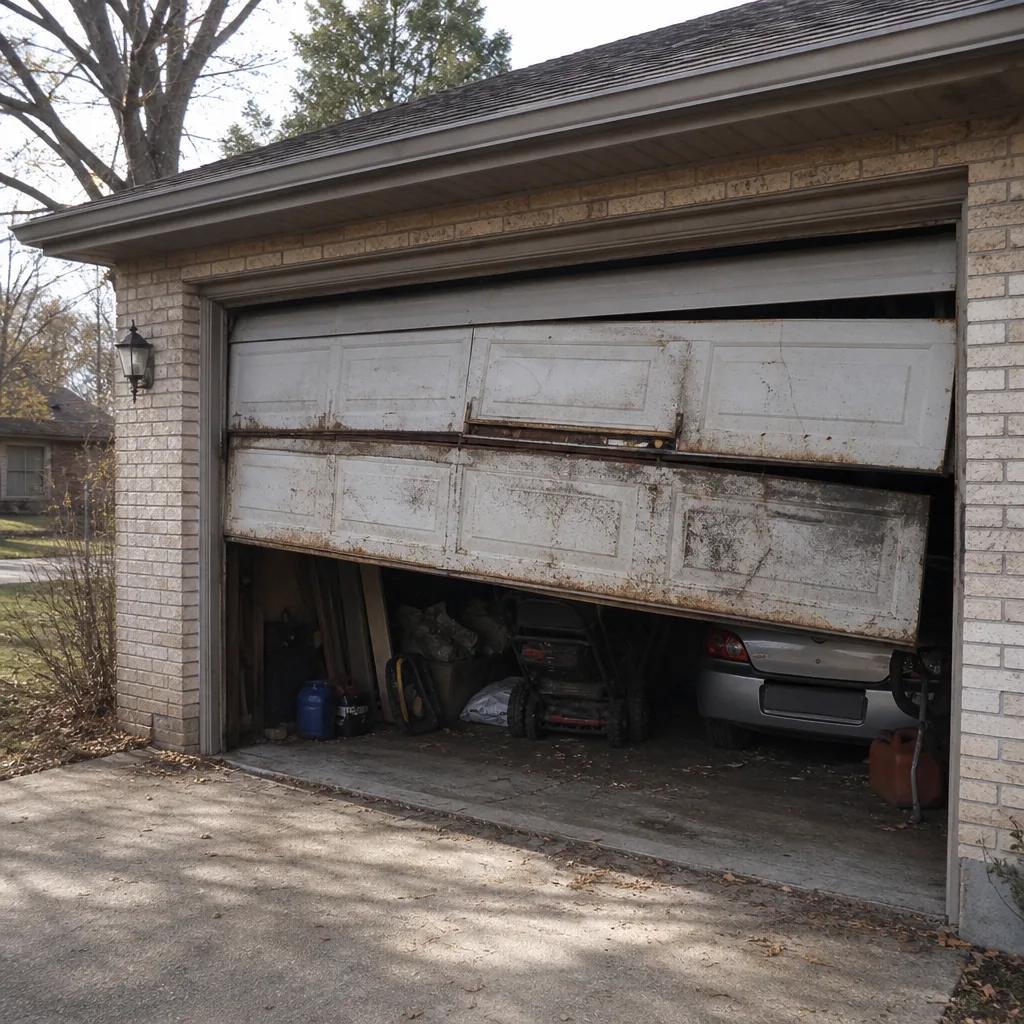 Before
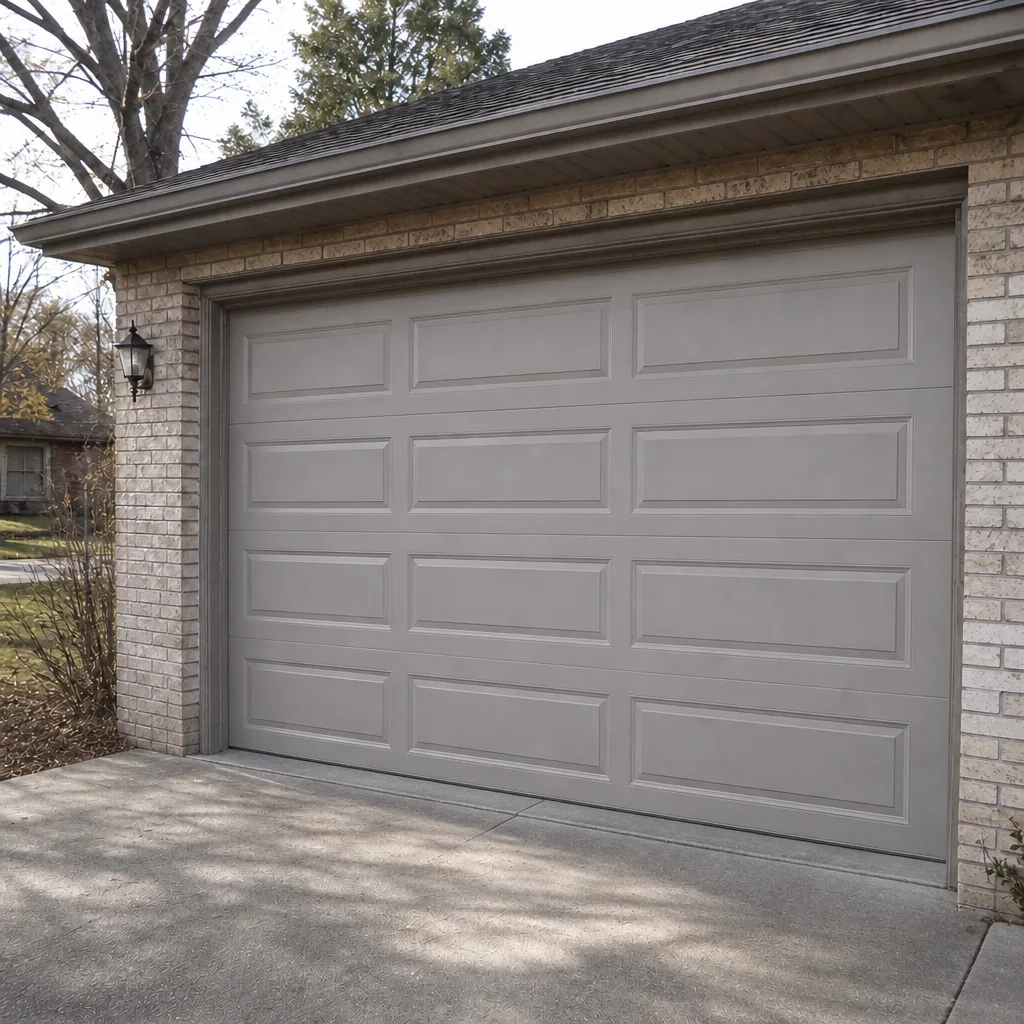 After
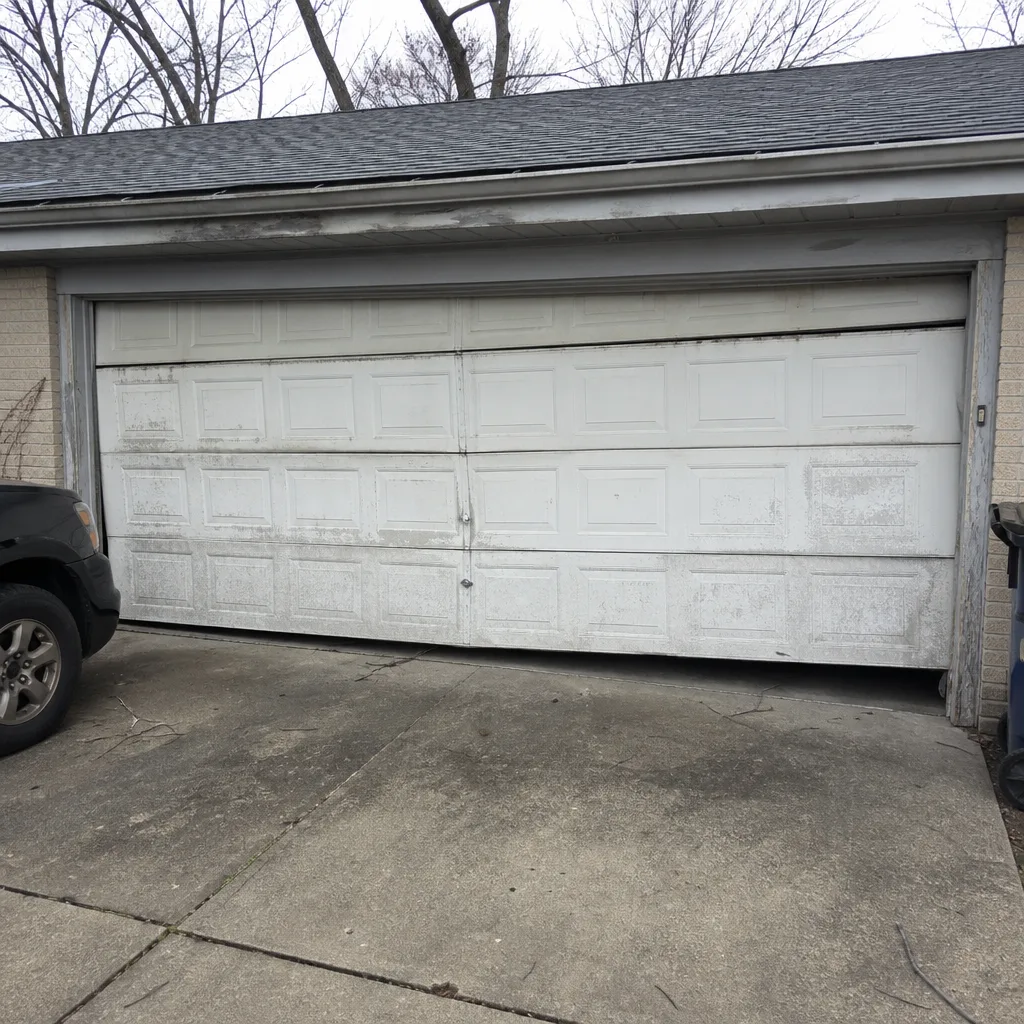 Before
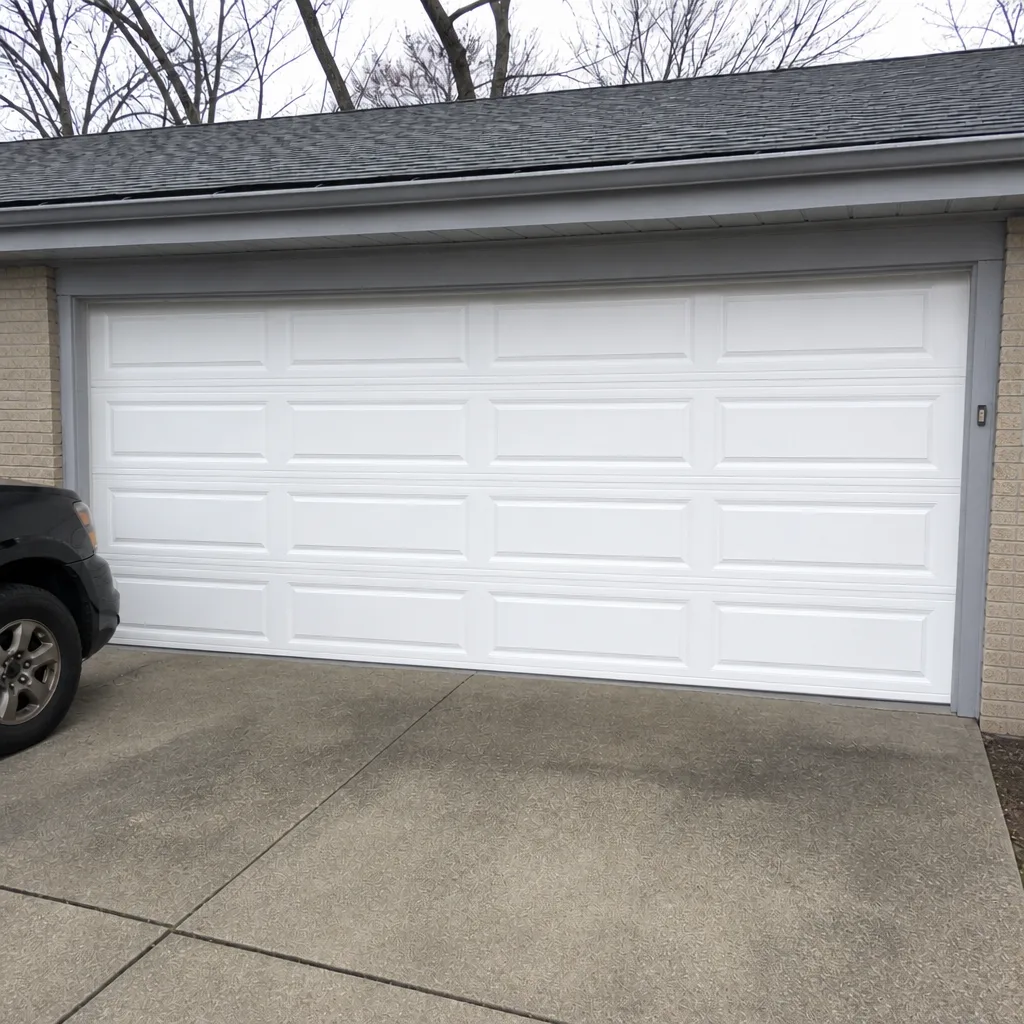 After
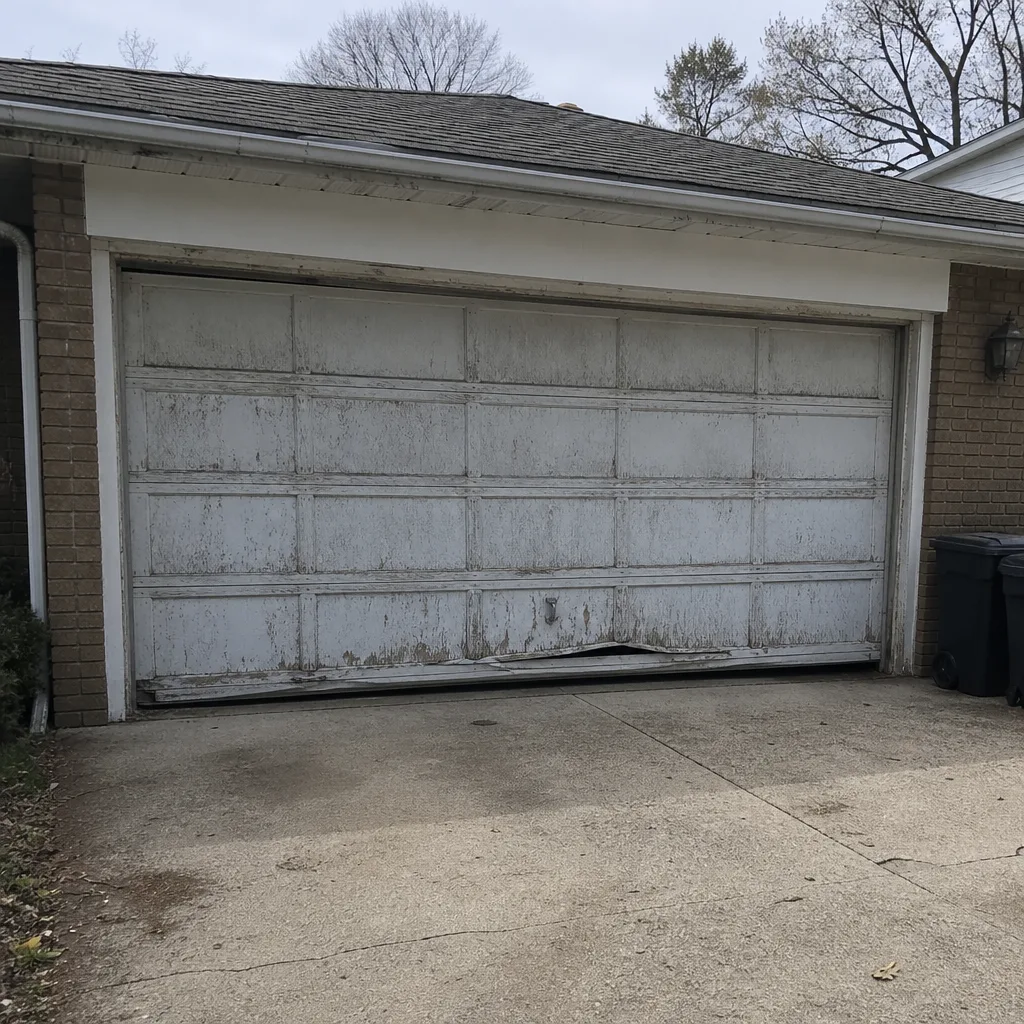 Before
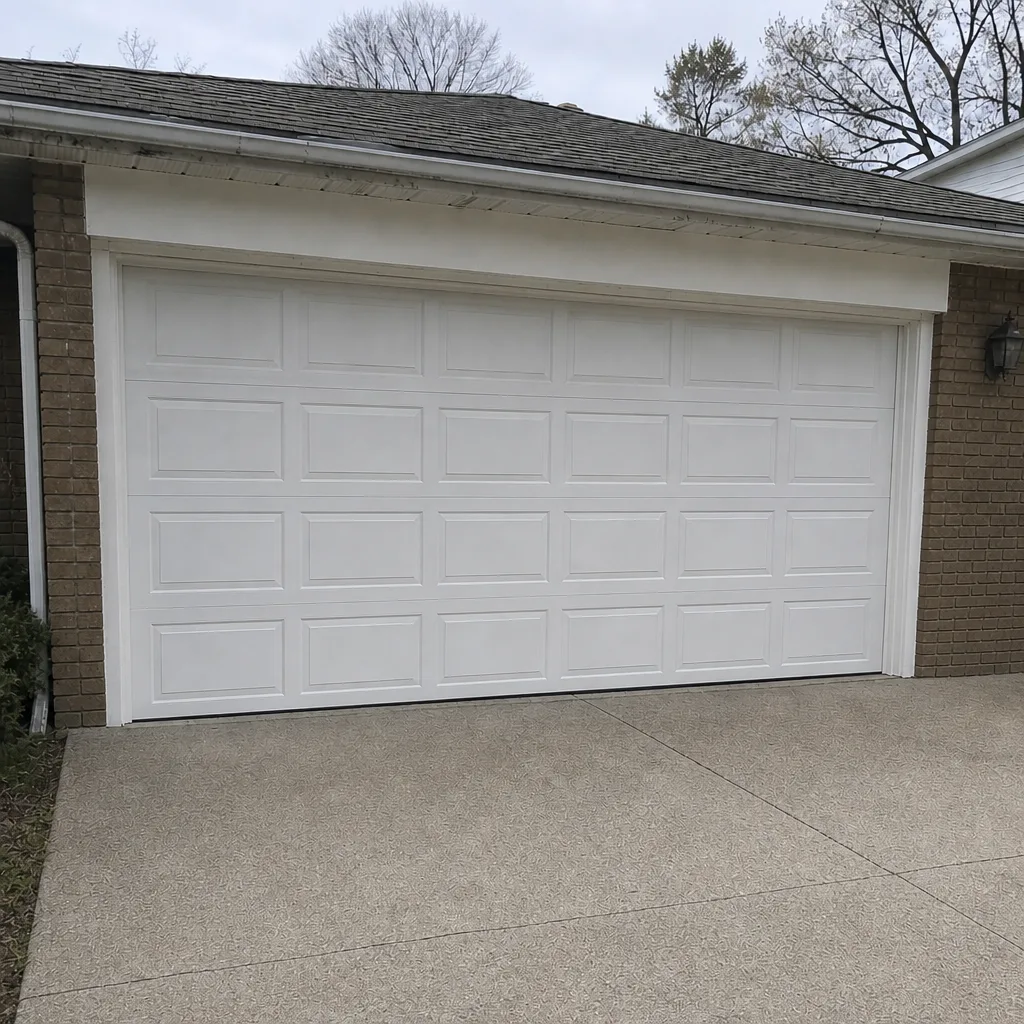 After
When to Call a Professional
The permit and code questions on a garage door job are hard to answer in the abstract, because they depend on your specific door, opening, and house. The following situations are easiest solved with a professional in your corner: you’re replacing a door on an attached garage and aren’t sure if the original was fire-rated; the job changes the door’s size or the opening; your existing opener is a legacy model without working safety eyes; you’ve discovered unpermitted work before a sale; or a door has started binding in cold weather and the install may need a fresh look. We work on the brand you already have – LiftMaster, Chamberlain, Genie, Clopay, Amarr, Wayne Dalton, Craftsman, and Raynor – and our technicians have up to 13 years of experience. Waukegan Garage Door Repair Pros offers free estimates in Waukegan – call (855) 658-5278. The price is quoted and agreed before any work starts, so you’ll know exactly what’s included, including permit costs when they apply.
Frequently Asked Questions
It depends on the job. A like-for-like replacement of the same door in the same opening usually does not need a permit, but any change to size, framing, structural attachments, or fire rating usually does. Call Waukegan’s building department with your address and describe the job to get a definitive answer. If your contractor says no permit is needed, ask them to put that in writing on the estimate.
Some contractors do, and it’s often technically allowed for a straight swap – but it’s still worth verifying with the city, because “same size” is doing a lot of work in that sentence. If the door’s wind-load rating or fire rating changes, a permit is usually required. If the opening’s framing is altered, a permit is definitely required. The safest move on any questionable job is to ask the city before work starts, and if the contractor won’t answer the question clearly, find one who will.
An inspector typically checks that the work matches the permitted scope, that the door is properly anchored to framing, that extension springs have safety cables and torsion springs have proper restraint, that the opener’s photoelectric safety eyes and contact reversal both work, that track is aligned and true, and, on attached garages, that the door is a fire-rated assembly if the original was one. Most inspections take under half an hour. The most common failures are opener sensors, missing spring cables, and loose track.
Call Waukegan’s building department with your address and request the permit history. They’ll tell you what permits were pulled and when. If a door install shows up in the job record without a matching permit, you have unpermitted work. From there, a garage door technician can tell you whether the work itself is safe or needs correction – many unpermitted installs are safe but unfiled, and some are actual code problems. Call (855) 658-5278 for a free estimate on an assessment.
Usually not. A spring replacement on an existing door is a repair, not a structural change, and most jurisdictions don’t require a permit for a straight spring replacement. What does matter on a spring repair is the safety restraint system: extension springs need safety cables running through them, and torsion springs need proper mounting. These are checked on any permitted installation and they’re the reason spring work should go to a trained technician rather than a general handyman. Our technicians have up to 13 years of experience with spring work and work on the brand you already have.
Yes, routinely. Unpermitted garage door work often surfaces when a buyer’s inspector reviews the property, which can lead to a correction request, price adjustment, or delayed closing. Illinois sellers have disclosure obligations around known material defects, and unpermitted work that affects safety or value generally falls into that category. The most effective time to deal with it is before you list – pull the permit history, have a technician assess the install, and either remediate or retroactively permit. That conversation is much easier to have now than during a negotiation.
The Bottom Line
Waukegan garage door permits come down to what your job actually changes. A like-for-like swap is usually straightforward; a change to size, framing, or fire rating almost always needs a permit and an inspection. The risk of skipping that step isn’t a fine next week – it’s a surprise at sale four years from now, when a buyer’s inspector asks for paperwork no one pulled. Do three things: ask the city whether your job needs a permit, verify the permit number before work starts, and confirm the inspection happens before final payment. If a contractor balks at that, take it seriously. On jobs that involve structural changes, fire-rated doors, or a spring system that’s failed, call a specialist rather than a general handyman. We’re happy to look at what you have and tell you what it needs. Call (855) 658-5278 for a free estimate in Waukegan.
Written by the team at Waukegan Garage Door Repair Pros.