Last updated November 22, 2026
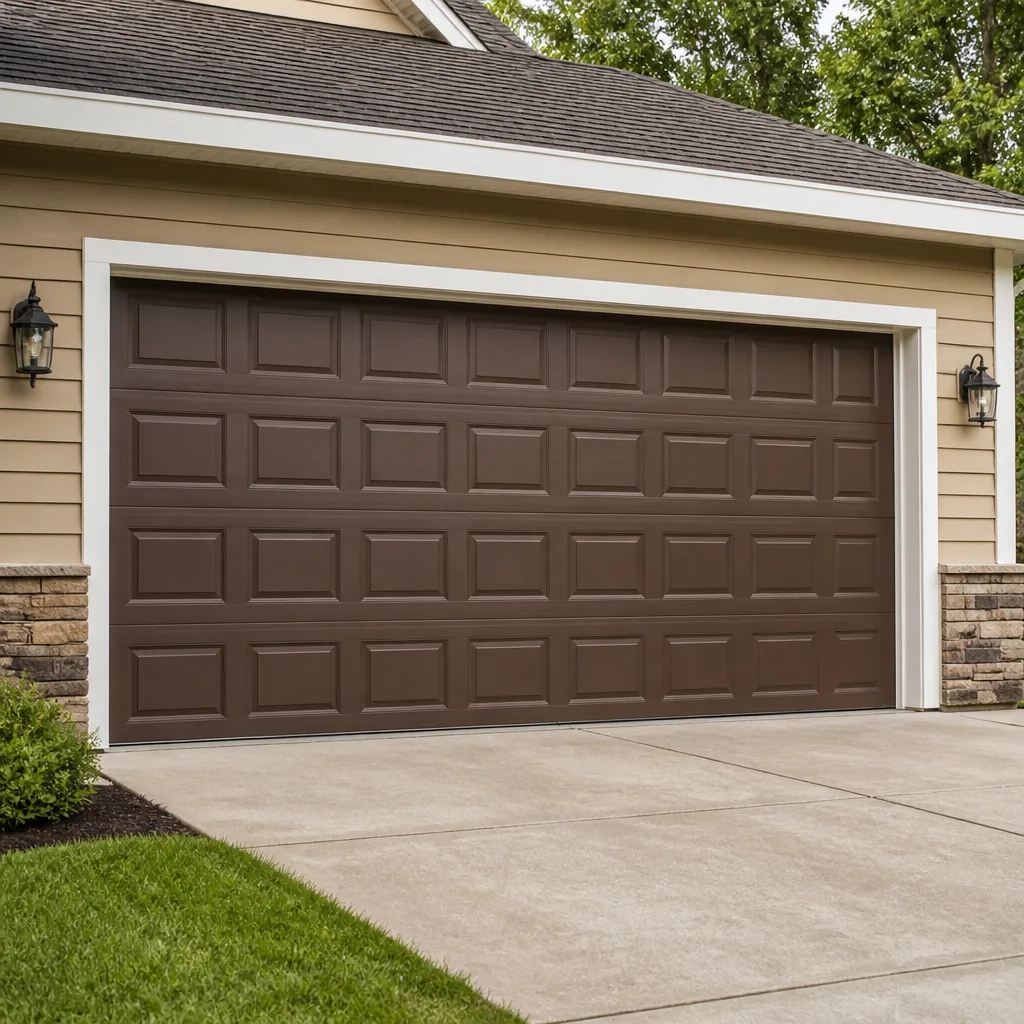 Raised-panel steel
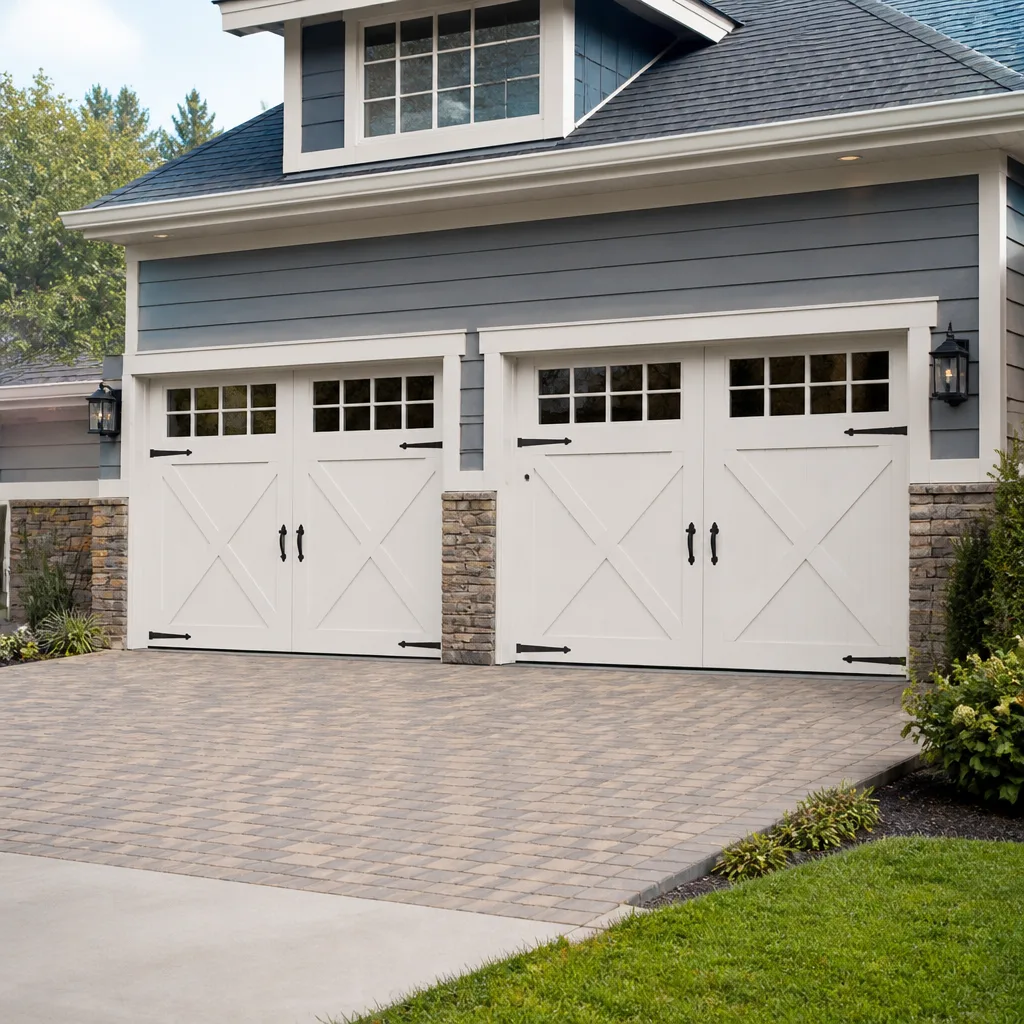 Carriage house
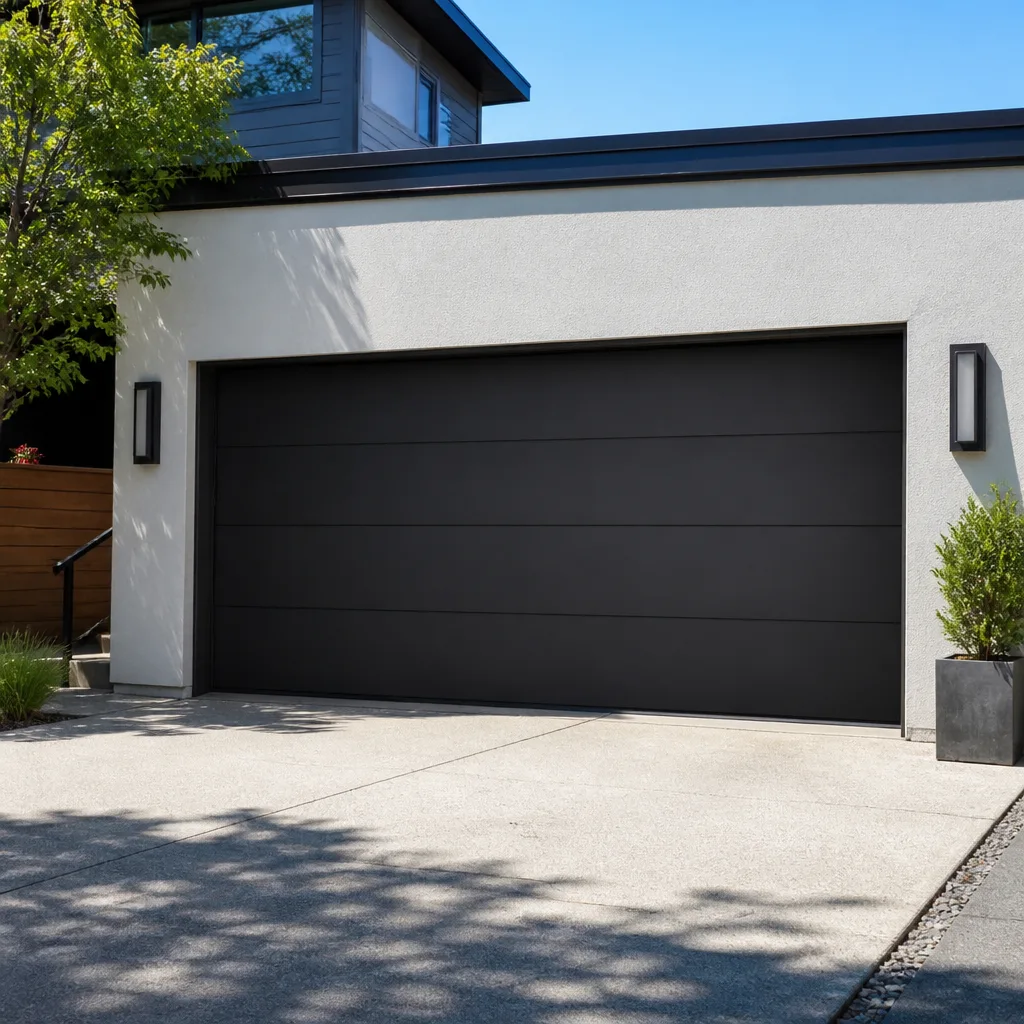 Modern flush
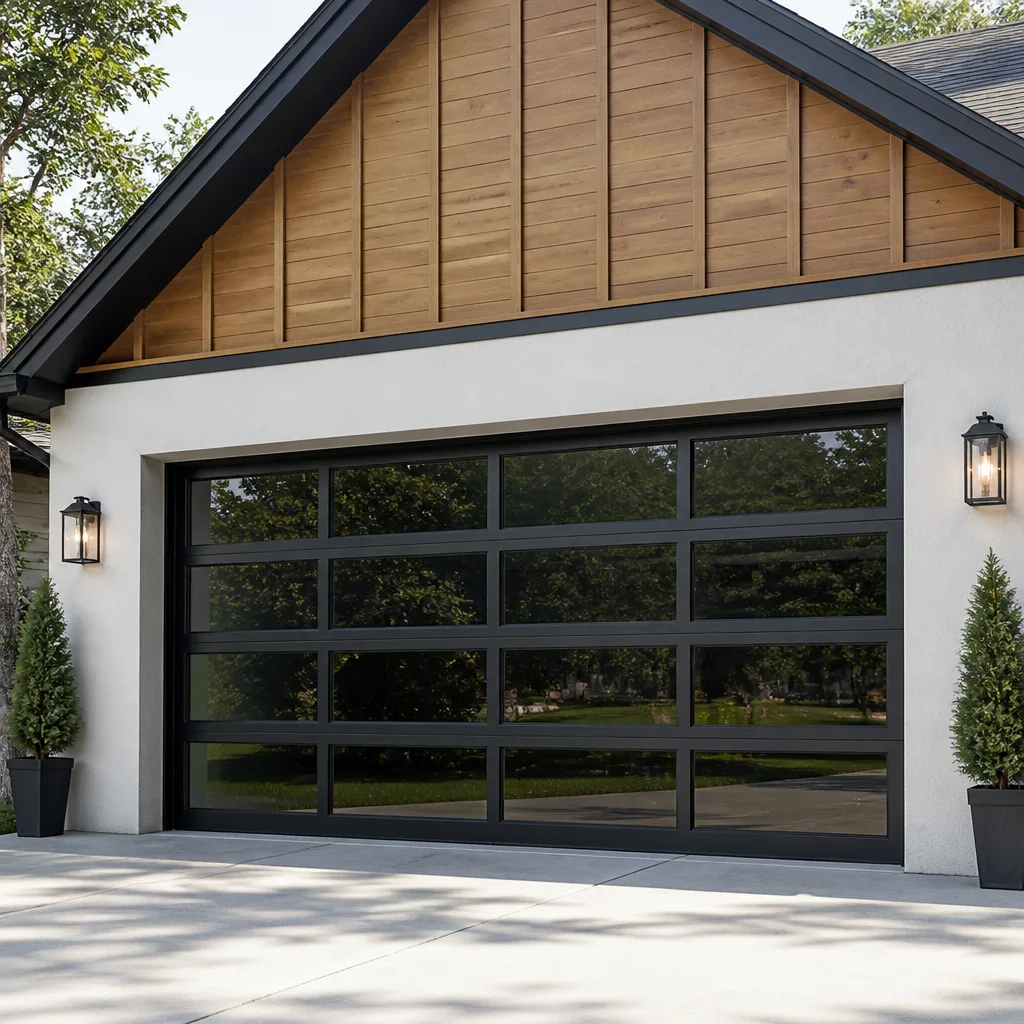 Full-view glass
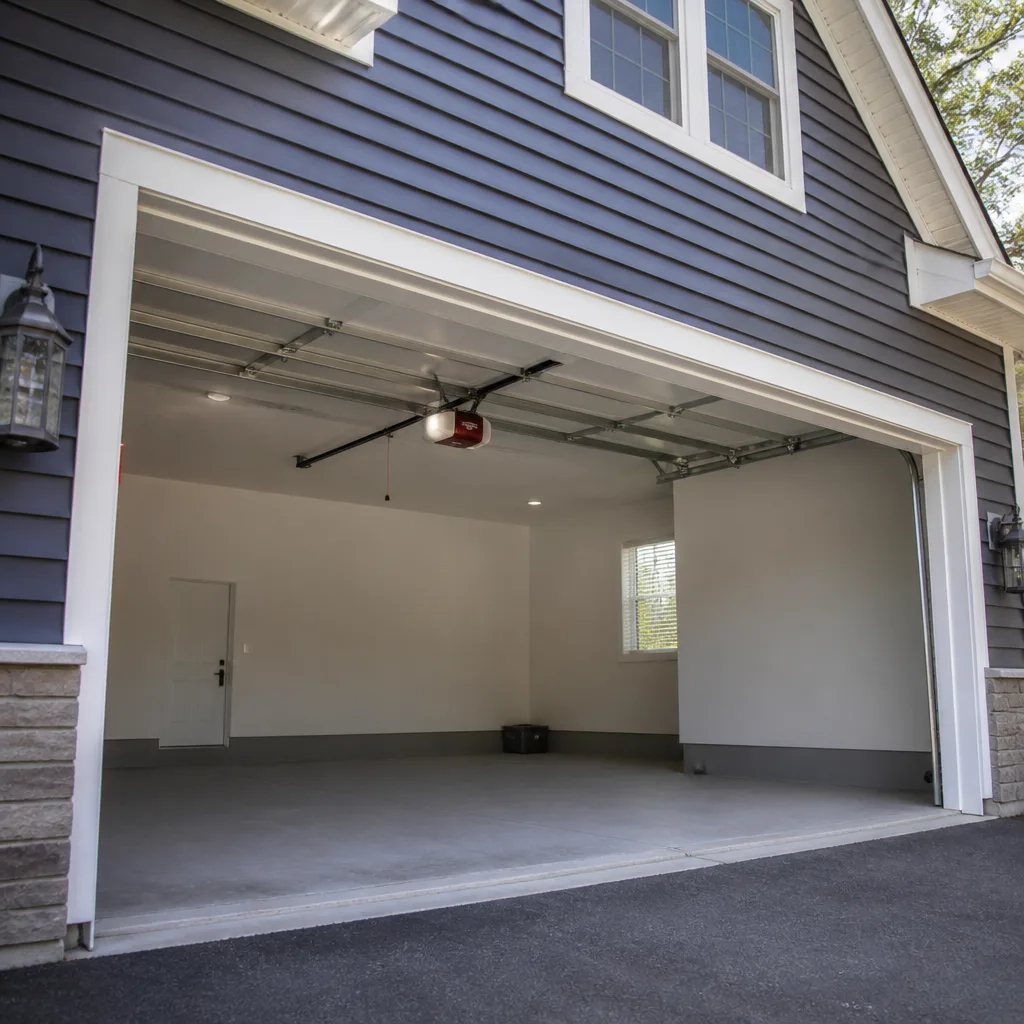 LiftMaster openers
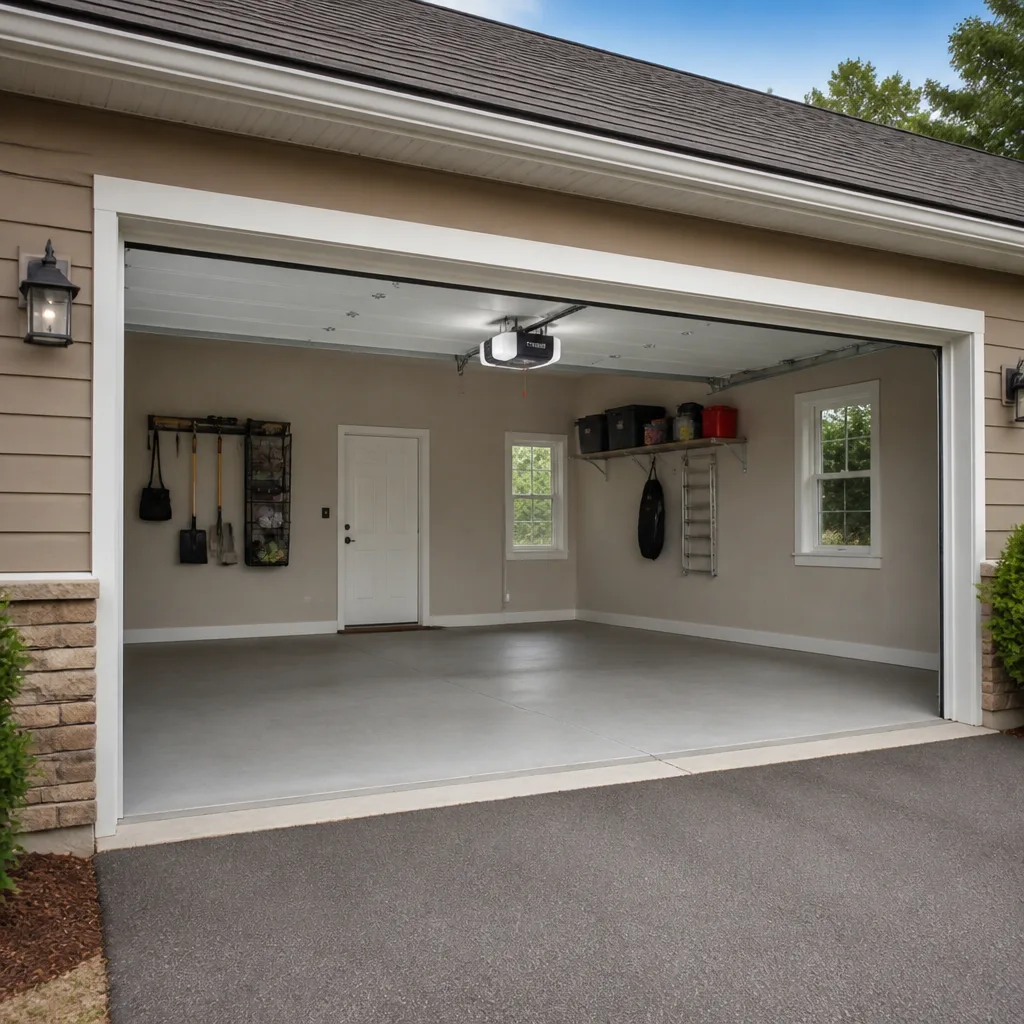 Chamberlain openers
Full 25-point door and opener safety check with every visit - springs, cables, rollers, tracks, and your LiftMaster or Chamberlain opener included
You get a price before we start. It does not change when the pro arrives.
Get your free estimateDIY vs Professional Garage Door: The Waukegan Homeowner’s Decision Guide
Most garage door advice splits into two useless camps: “never touch it” and “sure, watch a video.” Both miss the point. The real question isn’t whether you’re handy. It’s whether the specific task in front of you carries injury risk or liability exposure, and that changes dramatically from job to job. Replacing a bottom weather seal and replacing a torsion spring are not the same kind of project, and treating them that way is how people get hurt. In this guide, we draw a hard line through the actual garage door service list. Some jobs you can genuinely do yourself and save real money. Some you should never attempt. A few sit in a gray zone. We’ll explain which is which for a Waukegan homeowner.
Quick Answer
For a Waukegan homeowner, most garage door work is safe enough to DIY: weatherstripping, lubrication, sensor alignment, and remote programming are low-risk and worth doing yourself. Spring work, cable work, panel replacement, track realignment, and anything involving the door’s balance or brackets belong to a professional, because the stored energy and overhead weight can cause serious injury. Opener motor and logic board repairs are a middle case that depends on your comfort with electrical components.
Styles & brands we work with
- Raised-panel steel
- Carriage house
- Modern flush
- Full-view glass
- LiftMaster openers
- Chamberlain openers
Table of Contents
- Why Spring Work Is Physically Different From Everything Else
- The Truly Safe DIY List
- The Never-DIY List
- The Gray Zone: Opener Repairs, Rollers, and Tracks
- What Spring Work Injuries Actually Look Like
- How DIY Work Affects Your Illinois Homeowner’s Insurance
- The Real Math on “Saving Money” With a Botched DIY Job
- What’s Different About a Waukegan Garage Door
Why Spring Work Is Physically Different From Everything Else
A torsion spring under full tension stores enough energy to throw a winding bar through drywall. That’s not an exaggeration designed to scare you off a project. It’s the reason trained technicians treat spring repair as a separate discipline. The bar weighs a couple of pounds. The stored energy doesn’t care what it hits.
Understanding the mechanics helps. A torsion spring is mounted horizontally above the door on a steel shaft. It’s wound tight, and that tension is what counterbalances the door’s weight so a 150-pound panel feels like it weighs 20. An extension spring does the same job with a different geometry, mounted along the horizontal tracks. Either way, both springs are holding back real force, and both need to be released and re-tensioned in a controlled sequence. Skip a step and the spring can unwind suddenly, taking the winding bar, the shaft, or the door’s cables with it.
That’s why we treat spring work as a dedicated service line rather than a checkbox. A technician who has handled hundreds of springs knows the sequence, uses the right winding bars and locking pliers, and knows how to control the release. We work on the brand you already have, including Amarr, Wayne Dalton, Craftsman, and Raynor assemblies, so we’re not guessing at torque specs. Getting the tension right matters, because an under-tensioned spring puts extra load on the opener motor and an over-tensioned one can snap. Our garage door spring repair is one of the core reasons homeowners call us rather than try to save money on parts alone.
What Stored Energy Looks Like in Practice
The stored energy in a single torsion spring for a standard one-car door is measured in hundreds of foot-pounds. For a two-car door, it’s often double. The number matters less than what it tells you: this is an energy storage device, and energy storage devices fail catastrophically when released uncontrolled. A torsion bar spinning freely can deliver a strike to a hand or forearm faster than you can pull back. That’s the physics, and it’s why the DIY savings on spring work are almost never worth the risk.
The Truly Safe DIY List
There are garage door tasks that save real money and carry essentially zero injury risk. We’re not gatekeepers here. We’d rather you handle these yourself and call us when the job genuinely needs a technician.
- Weatherstripping replacement. The rubber flap along the bottom of the door, or the brush strips along the sides, wears out every few years. Pull the old one off the aluminum retainer, slide the new one in, trim it with scissors. A ten-minute job with a screwdriver and a utility knife. This is the single highest-value DIY task on the list because it directly affects your energy bill and keeps water out of the garage during Waukegan’s spring and fall rain.
- Lubrication of moving parts. Hinges, rollers, the torsion shaft bearings, and the opener’s chain or belt all benefit from a garage-door-specific lubricant once or twice a year. Silicone spray or a lightweight lithium grease works. Avoid heavy grease, which holds grit.
- Safety sensor alignment. The two photo-eye sensors at the bottom of the door frame should face each other, sit at the same height, and show a steady LED on each unit. If your door reverses immediately after closing, the sensors are almost always out of alignment or blocked. Wiggle them back into position and check the lights.
- Remote and keypad programming. Adding a new remote or changing a keypad PIN is a matter of following the opener’s manual, and there’s nothing structural or dangerous about it. If your opener is a LiftMaster, Chamberlain, Genie, or Craftsman, the manual is easy to find online.
- Visual inspection. Once a month, look at the springs for gaps or rust, tug gently on the cables to feel for slack, and listen for grinding or popping when the door opens. Early detection saves money later.
If you can do those five things yourself, you’re already ahead. You’ll catch problems before they become garage door repair calls, and you’ll keep a Waukegan door running smoothly through the temperature swings that cause the most wear.
The Never-DIY List
These are the jobs where we strongly recommend calling a professional, and it’s not about liability theater. It’s about the fact that the wrong move here can cause serious injury or property damage.
- Torsion and extension spring replacement. Covered above, and it’s the big one. Never attempt this without the specific tools and training.
- Cable replacement or adjustment. Cables are under tremendous tension and are the other half of the counterbalance system. A cable that snaps or slips off its drum while you’re working on it can whip and cut. The correct procedure requires relieving the spring tension first, in the correct sequence.
- Track realignment after an impact. If a car backed into the door or a panel got bent, the tracks may be out of alignment. Realigning tracks is a two-person job with the door in a specific position, and doing it wrong can drop the door.
- Bottom bracket work. The bracket that holds the bottom of the cable to the door is under spring tension even when the door is down. Releasing the wrong bolts can cause the bracket to whip off the door.
- Panel replacement on a non-standard door. Some panel swaps look simple until you discover the door needs to be rebalanced afterward. Balance work means spring tension adjustment, which loops back to the previous point.
- Replacing the entire door. A new door demands correct spring sizing for the new weight, proper anchoring of the tracks to the framing, and correct opener capacity matching. If your door is out of commission, our garage door repair service or a full installation replaces it safely.
When a door fails in Waukegan and the job lands on this list, our emergency garage door service exists for exactly this situation. A door stuck open in a storm or a snapped spring leaving the car trapped is not a business-hours-only problem, and the fix isn’t something we’d want a homeowner attempting at any hour.
The Gray Zone: Opener Repairs, Rollers, and Tracks
Some tasks sit in the middle, and whether they’re DIY or professional depends on your tools, your electrical comfort, and how much of the system you understand.
Opener Motor and Logic Board Repairs
Replacing an opener’s wall switch or a hanging remote is simple. Replacing the opener itself, or the drive gear inside it, requires unbolting the unit from the drive rail, disconnecting the door arm, and then aligning the new unit. It also requires some comfort with low-voltage wiring and the safety reversal system, which must be retested after any change. If your opener is a Genie or a legacy Craftsman, the drive gears and circuit boards are specific to the model, and a mismatch wastes money. Our garage door opener repair handles opener-specific work across the major operators, including the smart-home-integrated LiftMaster and Chamberlain units and older Genie and Craftsman systems still widely installed in Waukegan homes.
Rollers
Replacing rollers is a reasonable DIY job if the door is in good balance and the spring tension is set correctly. Rollers sit in the track hinges and can be swapped one at a time with the door in the fully up position. If the rollers are worn because the door is out of balance, however, replacing them without fixing the balance just wears out the new ones. That’s when it’s better to have the door checked.
Track Cleaning and Minor Adjustment
Cleaning and lightly adjusting the vertical or horizontal tracks is doable if the door runs smoothly and the tracks look straight. If a track is visibly bent, don’t attempt to bend it back. Get it replaced or professionally realigned.
For anything in this gray zone, we offer free estimates and a clear recommendation. If a repair will do, we’ll say so. If it’s likely to fail soon, we’ll say that too, with an upfront price before any work starts. Repair first, replace only when necessary, is the rule we work from.
What Spring Work Injuries Actually Look Like
The injuries associated with DIY spring work aren’t abstract. They tend to cluster into three categories.
- Hand and wrist fractures. A spring releasing unexpectedly can spin the winding bar or the torsion shaft and strike the hand holding it. Wrist and finger fractures are the most common result. The bar can also slip out of the spring’s winding cone while you’re holding tension, and the sudden release throws you off balance.
- Lacerations and crush injuries from cables. If a cable is under tension and slips its drum, it can whip with enough force to cut through protective clothing. Cables are the sneaky hazard because they don’t look like they’d hold that kind of energy until they do.
- Falls and secondary injuries. Any of the above can knock you off a ladder. A ladder fall while holding a winding bar is where the worst outcomes come from. A technician uses stable platforms and locks the door before touching the spring so the door can’t drop unexpectedly.
The risk-to-savings math doesn’t pencil out. A single spring replacement at professional rates is a modest cost. A wrist fracture, an ER visit, and weeks of lost work are not. We’re not telling you that to keep the work for ourselves. We’re telling you because in our experience the injury pattern is consistent, and the physics doesn’t care how careful you are. It only cares how the tension is released. If a spring is broken or the door won’t lift without help, don’t test it with your hands. Call us for spring repair done right.
How DIY Work Affects Your Illinois Homeowner’s Insurance
Homeowner’s insurance is where DIY work gets tricky, and the answers depend on your policy, not on a universal rule. Still, there are general principles worth knowing before you pick up a wrench in Waukegan.
Most homeowner’s policies cover sudden and accidental damage to the dwelling, including garage doors, but they exclude damage caused by faulty workmanship or by mechanical breakdown of a system that was improperly installed or serviced. Read that again. If a spring you replaced fails and damages the door or the opener, your policy may cover the resulting damage or may deny the claim, depending on how the adjuster reads the cause. A door that a licensed professional serviced is a very different claim scenario than one with visible homeowner work.
Permits are the other piece. Whether a garage door installation or structural modification requires a permit in Waukegan depends on the specific work and is something to verify with the city’s building department. Unpermitted work on structural components can come up during a home sale or an insurance claim, and an insurer can question coverage after unpermitted work on the structure. We’re not attorneys and we can’t speak for your carrier. What we can say is that our work is done by a local pro who is licensed and insured as their state requires, and we’ll always tell you when a job involves a permit rather than pretend it doesn’t. If you’re unsure, call your insurance agent and the city’s building department before you start.
The Real Math on “Saving Money” With a Botched DIY Job
Here’s what “saving money” usually looks like when a DIY garage door job goes wrong.
- The original repair. A spring replacement, a roller swap, or a track fix is a clear quoted cost, quoted and agreed before any work starts.
- The half-finished job. The homeowner buys the part, gets partway through, and stops when the door won’t balance or the tension feels wrong. Now the door is stuck.
- The diagnosis call. A technician needs to figure out what was done wrong, which is often more involved than diagnosing a straightforward failure. You’re paying for the diagnosis of two jobs stacked on top of each other.
- The corrected repair. Worse, the half-finished work sometimes damaged the door, the opener, or the tracks. Now the repair includes components that would have been fine.
- The downstream repair. An incorrectly tensioned spring can wear out the opener motor or warp panels over months. That’s a second repair you didn’t budget for, and it shows up long after the DIY job “worked.”
The pattern we’ve seen is consistent: a homeowner calling for a botched job pays more than the original repair would have cost, because the work now includes undoing what was done. We handle both sides of that equation: same-day repair of a fresh problem, and cleaning up a repair gone wrong. Either way, we give an upfront price. The written estimate sets the final price, and the price is quoted before any work starts.
A Comparison Table
- Spring replacement, professional: quoted and agreed in advance, warranty on parts and labor discussed upfront.
- Spring replacement, DIY (successful): part cost only, plus your time, plus risk of injury.
- Spring replacement, DIY (botched): part cost, plus diagnostic and correct repair, plus potentially damaged opener or tracks.
- Opener replacement, professional: unit plus install, correct matching to door weight, safety reversal retested.
- Opener replacement, DIY (botched): unit cost, plus reinstallation, plus possible track damage from a mismatched unit.
For the more complete breakdown of what each repair costs in this market, our guide to Waukegan garage door repair pros covers the local picture, but the pattern holds: the professional price is predictable, the DIY price is not.
What’s Different About a Waukegan Garage Door
Waukegan’s climate asks a lot of a garage door. The freeze-thaw cycle from late fall through early spring stresses springs, cables, and weather seals, and the summer humidity swells wood doors and loosens hinges. A door that works fine in May can fight you in January, and the temperature swing is exactly what causes metal fatigue in springs. That’s why we recommend a visual inspection twice a year and lubrication just before the cold sets in.
The housing stock matters too. Waukegan has a mix of older neighborhoods with smaller single-car garages and newer construction with two-car doors. That mix means we see everything from legacy Craftsman openers and heavier Wayne Dalton doors to newer Amarr and Clopay installations. Our technicians have up to 13 years of experience, working on the brand you already have. We service LiftMaster, Chamberlain, Genie, Clopay, Amarr, Wayne Dalton, Craftsman, and Raynor, so whatever is hanging in your Waukegan garage, we can diagnose it without selling you something new.
One local note: older Waukegan homes sometimes have garages added after the fact, which means the framing, tracks, and opener capacity weren’t designed together. That’s the kind of issue a professional catches during a repair and a DIYer might miss. From opener to panel to spring, one call covers it all, and from a small fix to a full installation, we handle the lifecycle. If your current door is beyond repair, our installation service can replace it correctly for the framing you have.
Common Mistakes to Avoid
- Assuming “handy” applies to springs. Being capable with a drill and knowing how to release a 250-foot-pound torsion spring are unrelated skills. Don’t let one skill set convince you of the other.
- Testing a broken door by hand. If a spring snaps, don’t try to lift the door manually “just to see.” The door weighs far more than its counterbalance allows, and pulling it can drop it on you or snap a cable. Call a professional.
- Buying an opener without matching door weight. Every opener has a lift capacity. A mismatched opener strains, overheats, and fails early. This is especially common with legacy Craftsman units replaced by newer smart models without checking capacity.
- Ignoring sensor misalignment. The door reverses immediately after closing and the homeowner assumes the opener is broken. Nine times out of ten, it’s the sensors. Check the LEDs before you call.
- Skipping the annual lubrication. This is the cheapest maintenance in the world and the easiest to forget. Waukegan winters make it more important, not less.
- Attempting a track realignment on a bent track. Bending a track back with a pry bar rarely gets it straight, and a misaligned track wears rollers and can drop the door. Leave track replacement to a technician.
- Associating price shopping with post-repair regret. The cheapest quote on a spring might be for an unrated replacement part that fails sooner. Ask about the part and the warranty before you compare.
See the difference
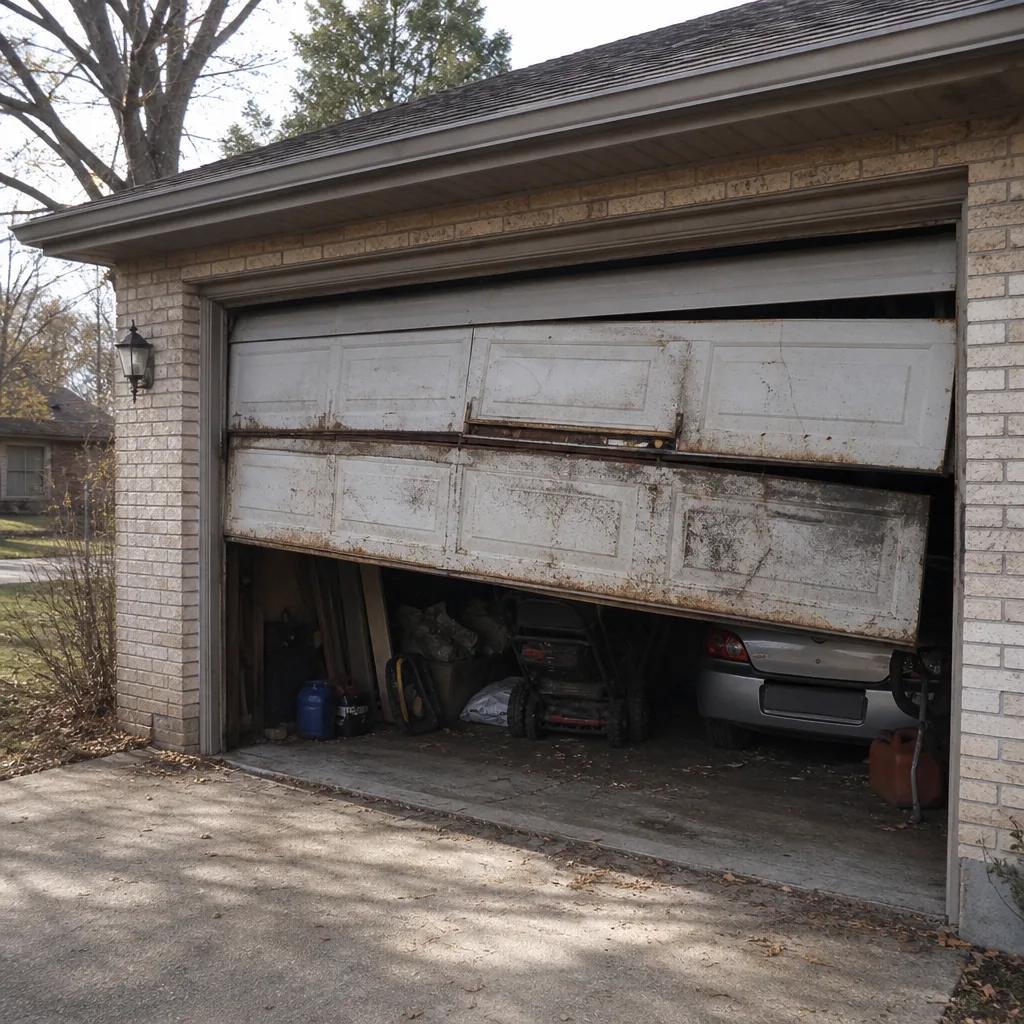 Before
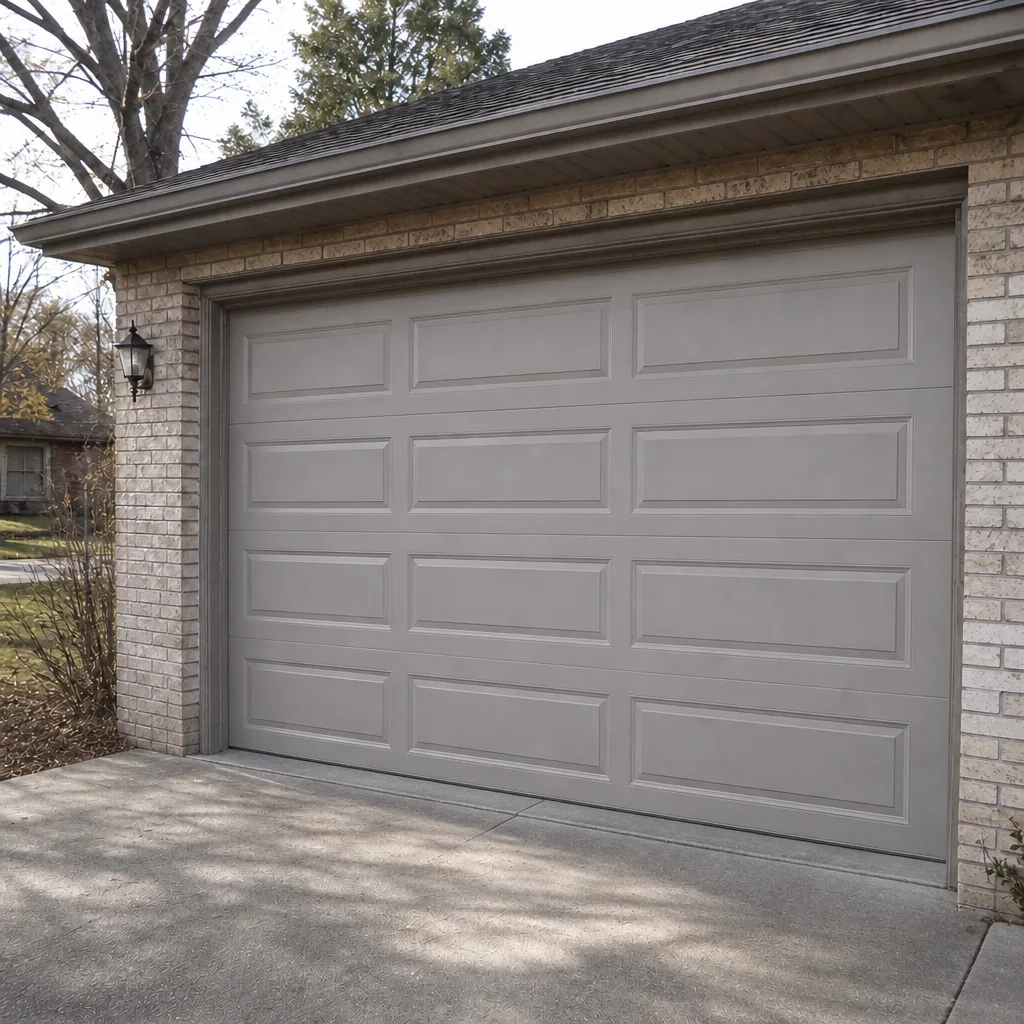 After
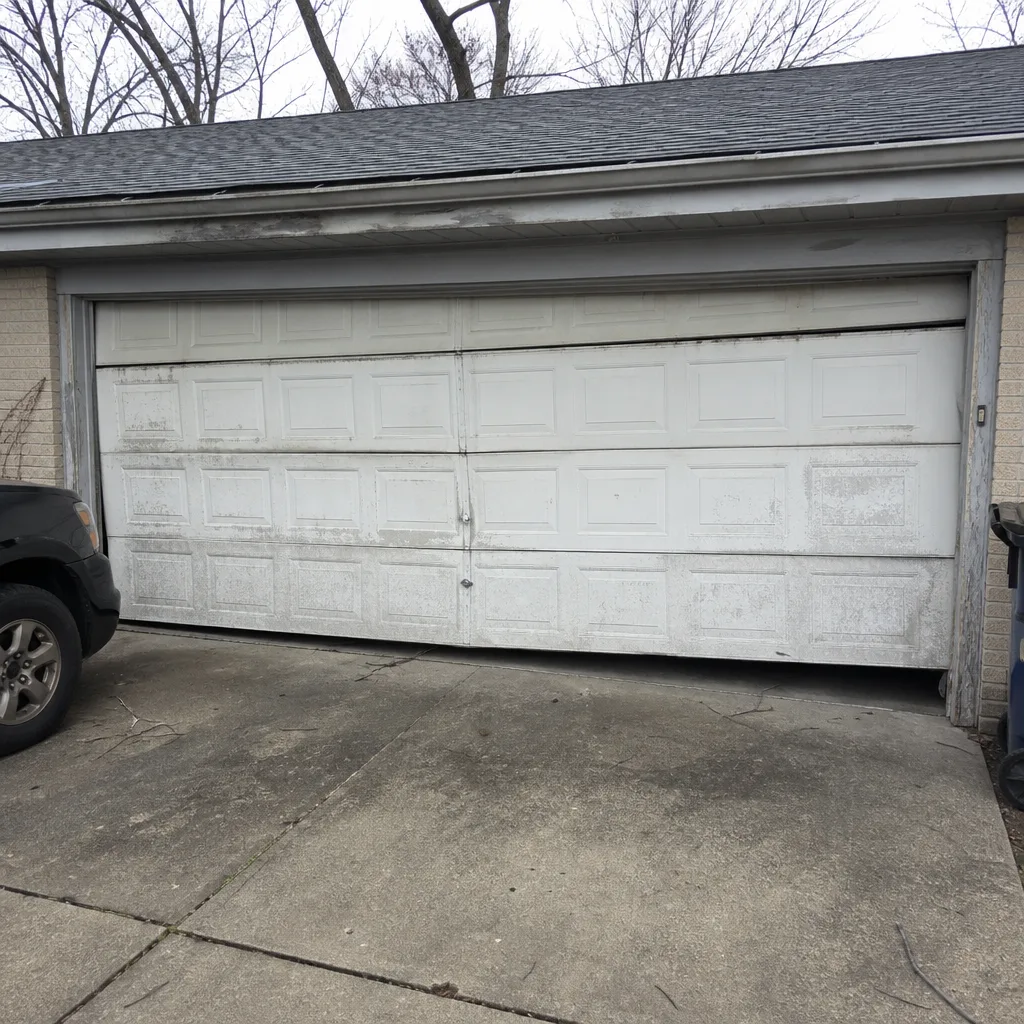 Before
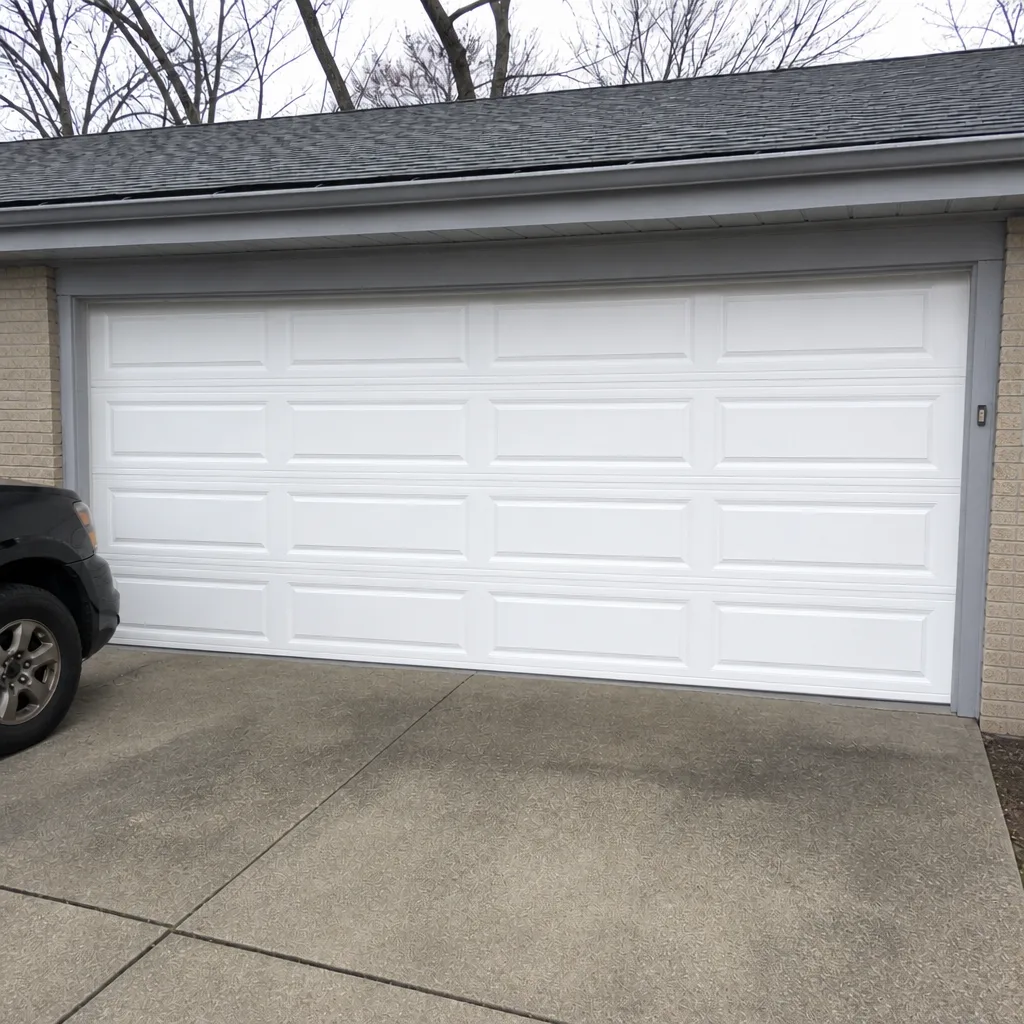 After
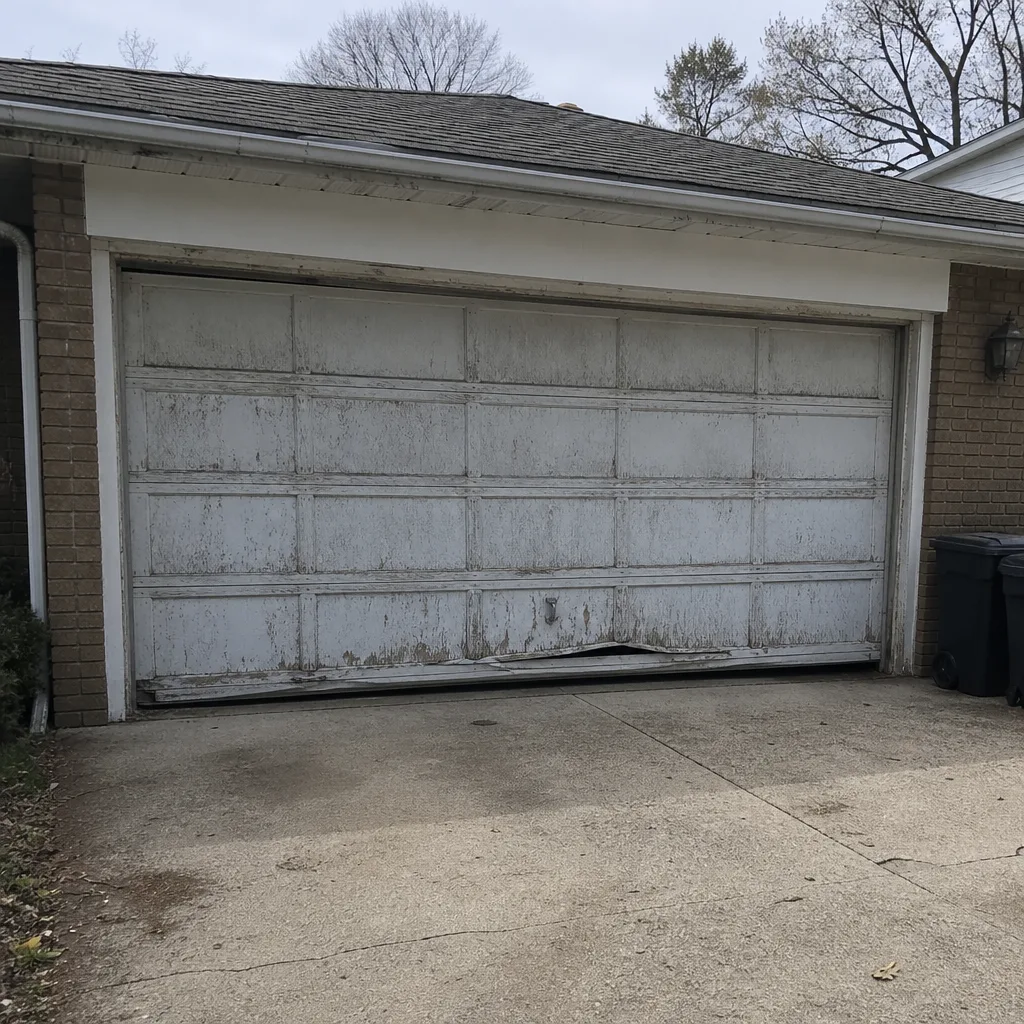 Before
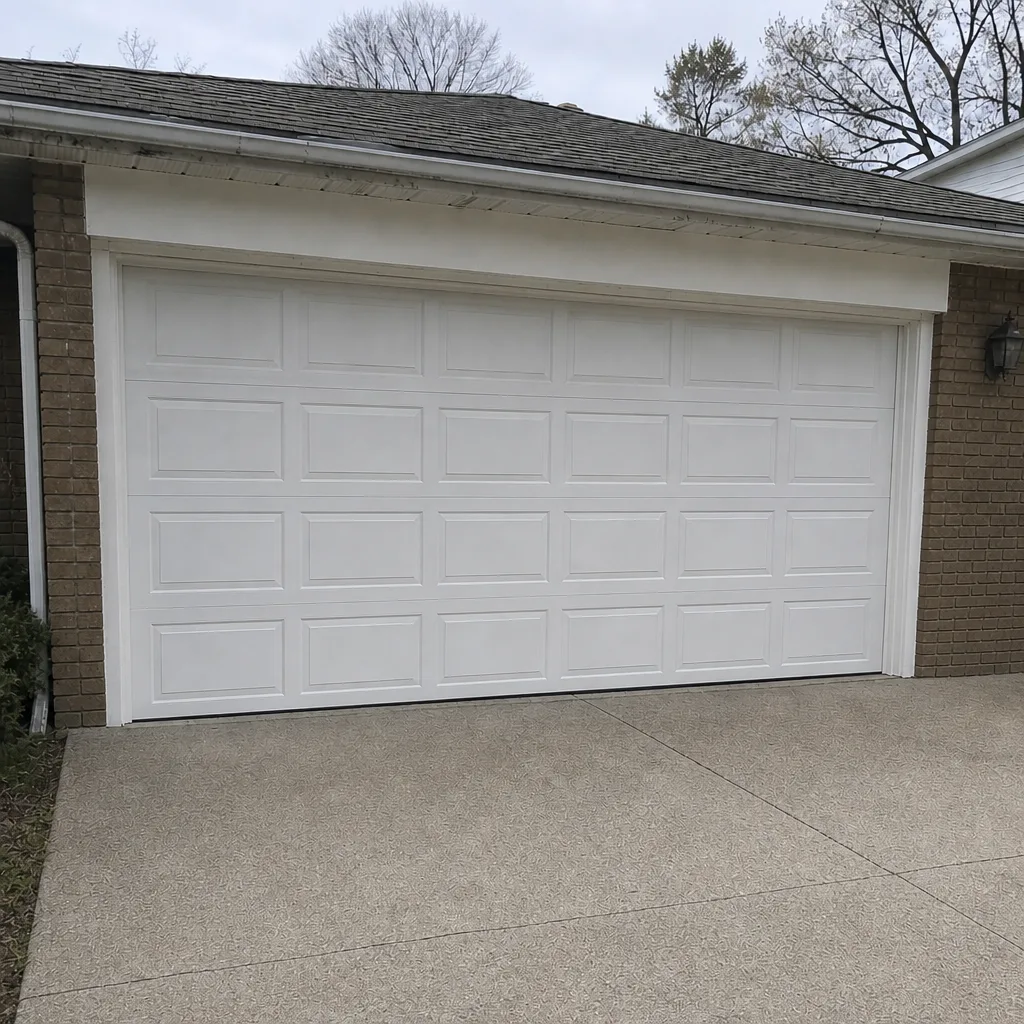 After
When to Call a Professional
Call when the door won’t balance, when a spring or cable is broken or visibly damaged, when the door comes off its tracks, when the opener is dead or trips a breaker, and when an impact has bent panels or tracks. Also call when you’re simply not sure whether a job is a spring problem or an opener problem, because getting that diagnosis right is where the savings start. Waukegan Garage Door Repair Pros offers free estimates in Waukegan and handles repair first, replacement only when necessary. Call (855) 658-5278 and we’ll give you an honest assessment and a written price before any work starts.
Frequently Asked Questions
No. Torsion and extension springs store enough energy to cause serious injury, and replacing them without the right tools and training is genuinely dangerous. The stored energy can throw a winding bar or spin the shaft faster than you can react. Call a professional for spring work; the cost is minor compared to the injury risk. Call (855) 658-5278 for a free estimate.
The safe DIY jobs are weatherstripping, lubrication, sensor alignment, and remote or keypad programming. These carry minimal injury risk and save real money. Visual inspection twice a year is also worth doing yourself. Everything structural or under spring tension belongs to a technician.
Costs vary by job and door type, so the honest answer is that it depends on whether it’s a spring, a cable, a track, or an opener, and whether parts are standard. We quote a price before any work starts, and the written estimate sets the final price. Call (855) 658-5278 for an exact quote; estimates are free.
No. We diagnose the door, quote the price, and once you agree, that’s the price for that scope of work. If we find something unexpected during the repair that changes what’s needed, we stop, explain it, and re-quote before proceeding. You’re never billed for work you didn’t agree to.
It depends on your policy and the cause of the damage. Most policies exclude faulty workmanship, and damage caused by improper installation or service may be denied. Unpermitted structural work can also raise questions. Ask your insurance agent and the Waukegan building department before starting a structural or spring project.
Yes. Emergency garage door service is a core offering, and we handle doors that won’t open, won’t close, or have a broken spring after hours and early mornings. Call (855) 658-5278 and we’ll get you scheduled as quickly as possible. We’re closed on Saturday; if your door fails that day, call and we’ll book you for Sunday.
The local pro who performs the work is licensed and insured as the state requires. We connect you with a vetted local professional, and we’ll always tell you when a job involves a permit rather than pretend it doesn’t. Ask us anything about the technician assigned to your job before work begins.
The Bottom Line
The DIY vs. professional question isn’t about your skill level. It’s about which tasks carry injury or liability risk and which don’t. Weatherstripping, lubrication, sensor alignment, and remote programming are worth doing yourself. Spring work, cable work, panel replacement, and track realignment are worth hiring out because the stored energy and overhead weight can cause real harm. In Waukegan, the freeze-thaw cycle makes the case stronger: spring failures and balance issues show up here more often, and a professional catches the issue before it becomes a bigger repair. Repair first, replace only when necessary. If you’re unsure which side of the line a job falls on, that’s exactly the call worth making.
Waukegan Garage Door Repair Pros handles repair first and replacement only when necessary, on the brand you already have. From spring repair and opener repair to a complete new installation, we cover the full scope. Our technicians have up to 13 years of experience, and we work across LiftMaster, Chamberlain, Genie, Clopay, Amarr, Wayne Dalton, Craftsman, and Raynor systems. Call (855) 658-5278 for a free estimate and an upfront price before any work starts.
Written by the team at Waukegan Garage Door Repair Pros.