Last updated November 22, 2026
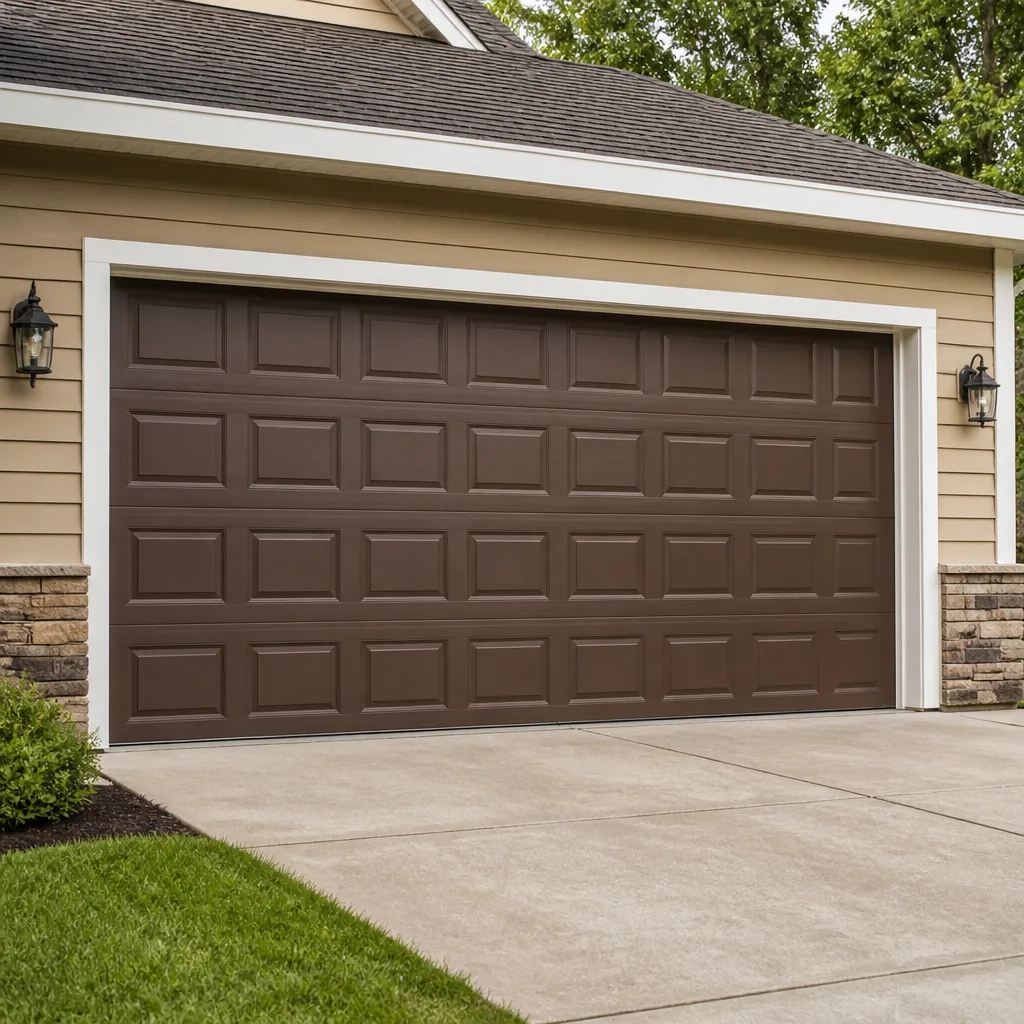 Raised-panel steel
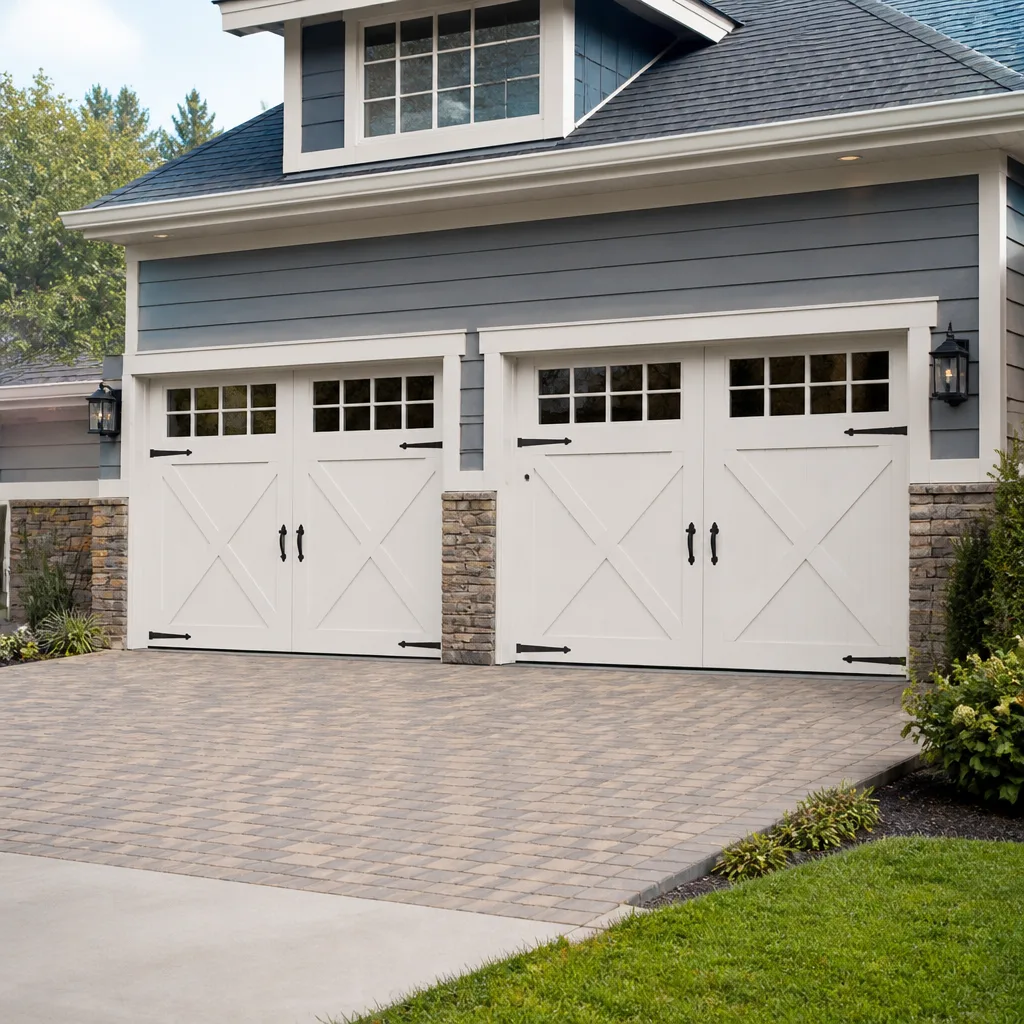 Carriage house
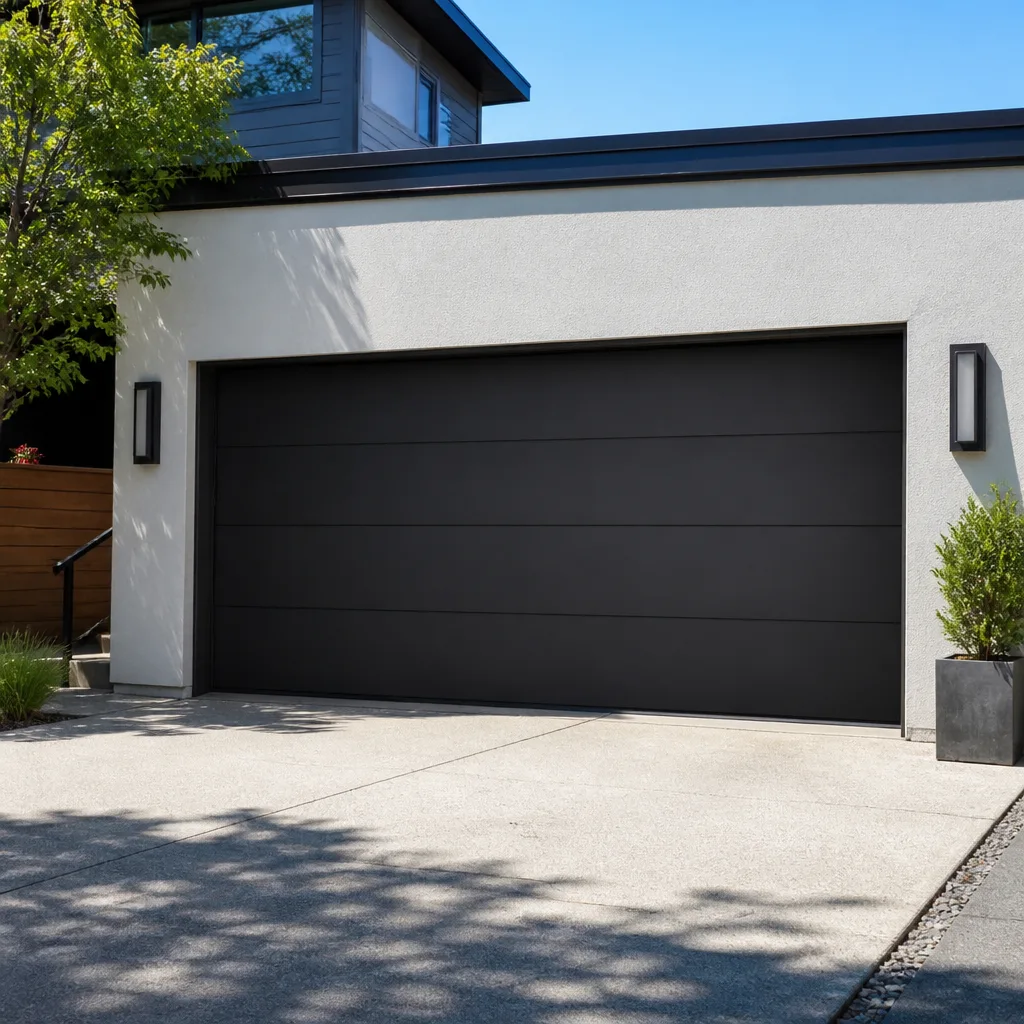 Modern flush
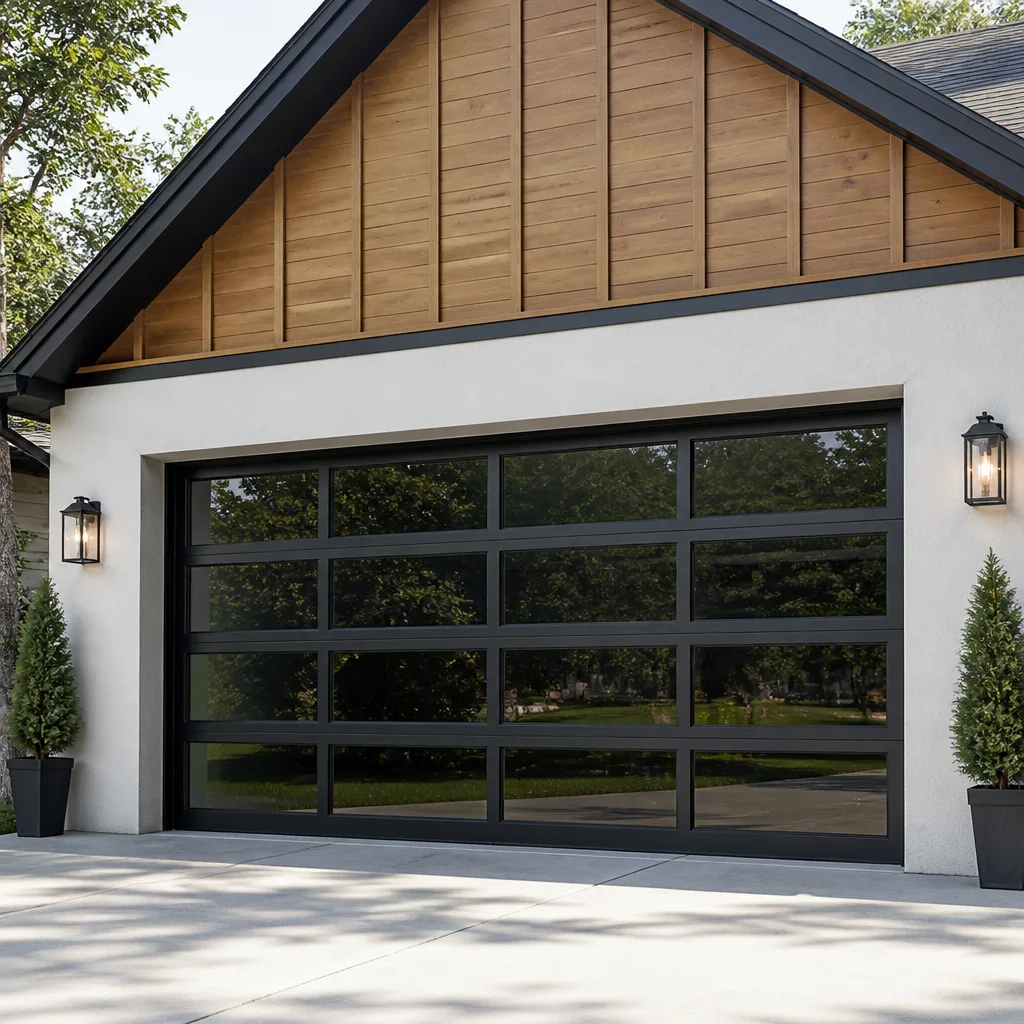 Full-view glass
 LiftMaster openers
 Chamberlain openers
Full 25-point door and opener safety check with every visit - springs, cables, rollers, tracks, and your LiftMaster or Chamberlain opener included
You get a price before we start. It does not change when the pro arrives.
Get your free estimateGarage Door Warning Signs: A Waukegan Homeowner’s Reference Guide
A grinding noise and a scraping noise coming from the same garage door are two completely different problems. Treat one like the other and a simple roller replacement can turn into a track repair. Most homeowners in Waukegan have heard their door make some kind of sound for weeks and filed it under “normal.” It usually isn’t. Garage doors don’t fail silently. They telegraph worn springs, failing openers and loose hardware through sound, speed and movement long before they stop working. This guide translates those symptoms into plain diagnoses so you can call a technician with a real description instead of “it’s making a noise,” and get the right fix the first time.
Quick Answer
In Waukegan, the most common garage door warning signs are a loud bang from a broken spring, a door that reverses before it closes, a slow or jerky rise, and metal-on-metal grinding during travel. Stop using the door immediately if you see a snapped spring, a frayed cable, or a door that hangs unevenly. A door that’s noisy or slow but still moves safely usually gives you a week or two to schedule service. Either way, get it looked at before a small repair becomes a big one.
Styles & brands we work with
- Raised-panel steel
- Carriage house
- Modern flush
- Full-view glass
- LiftMaster openers
- Chamberlain openers
Table of Contents
- The Symptom-to-Cause Reference Table
- Signs That Mean Stop Operating the Door Now
- Signs That Mean Schedule Service Within Two Weeks
- Why Slow Closing Speed Is the Most Ignored Warning Sign
- Is It the Door, the Opener, or the Spring?
- The Minor-Looking Signs That Are Real Safety Risks
- How Waukegan Winters Change What You’re Hearing
The Symptom-to-Cause Reference Table for Waukegan Homes
The fastest way to understand what your door is telling you is to match the symptom to a likely cause and an urgency level. We’ve walked through hundreds of garages in Waukegan and the North Shore suburbs, and these are the patterns that come up again and again. None of these symptoms is random.
Sound-Based Symptoms
- Loud metallic bang, then the door won’t open: A torsion or extension spring has broken. Stop operating the door. This is the most dangerous failure a garage door has.
- Grinding, metal-on-metal during travel: Worn or dry rollers, a bent track, or a failing bearing plate. Usually schedule within two weeks, but stop if the door fights you.
- Squealing or high-pitched whine: Dry hinges or rollers, or an opener gear wearing down. Low urgency, easy to fix.
- Scraping along one side: The door is dragging the track, often because a roller has come loose or the track has shifted. Don’t ignore this one. Scraping leads to panel damage.
- Rattling that’s gotten worse: Loose bolts and hinges. Common on older doors, and it accelerates wear on everything else.
Movement-Based Symptoms
- Door reverses before it touches the floor: A sensor misalignment or a safety-reverse failure. This is a safety issue, not a convenience issue.
- Door rises slowly or jerks: A weakening spring, worn rollers, or an opener under strain. Slow is underreacted-to and worth reading more about below.
- Door opens a foot and stops: An opener travel-limit problem, or the door is binding on the track.
- Door hangs unevenly when open: One cable has stretched or a spring on one side has failed. Stop using it.
Visual Symptoms
- A clean gap in the spring coil: A broken torsion spring. Stop operating.
- Frayed or kinked cables: Cable failure is imminent. Stop operating.
- Bent or separated track: The door can come off its rollers. Stop operating until a technician checks it.
- Dented or cracked panels: Impact damage. Cosmetic at first, structural later if the panel flexes the track.
- Daylight visible around the door edges: Seal and weatherstripping wear, which matters more in Waukegan’s cold winters.
If you’re not sure which category you’re in, the safest move is to leave the door closed and call. We work on the brand you already have, so if your door is a Raynor, a Clopay, or anything else in that mix, the technician will know the system before they arrive.
Signs That Mean Stop Operating the Door Now
Some warning signs are urgent and some aren’t, and the difference matters. The symptoms below mean the door is unsafe to run. Stop using it, unplug the opener if you can reach it safely, and call for service. Don’t try to open the door by hand or “help” it along.
- A broken spring. A torsion spring snaps with real force, and the door becomes very heavy very fast. This is the single most dangerous garage door failure, and it’s why spring repair is its own specialty rather than a general handyman task.
- A snapped or frayed cable. Cables are under extreme tension. Never touch one, never try to reattach it, never pull it to check if it’s loose.
- The door is hanging unevenly or off its track. If one side sits lower than the other or the door is visibly out of its track, running the opener risks the door dropping or coming off entirely.
- The door won’t stay up when lifted by hand. This indicates spring or balance failure. In a properly balanced door, the door stays up at any point.
- A loud bang followed by a door that won’t open. Almost always a spring, and it belongs on the stop list.
In each of these cases, the safe path is a trained technician with the right tooling, not a homeowner on a ladder. Spring systems, cables and torsion hardware can cause serious injury. We’d rather you call us than try. Emergency garage door service exists for exactly these situations, and a failed door in the middle of a Waukegan winter is a good reason to use it.
Signs That Mean Schedule Service Within Two Weeks
Not every warning sign is an emergency. Plenty of them mean the door is telling you it needs attention soon, and a prompt repair avoids a more expensive one down the road. Here’s what you can book with a small buffer.
- Grinding on one side, but the door still moves smoothly. Worn rollers or a slightly bent track. Left alone, this is how a cheap roller fix turns into a full track repair.
- Squealing or squeaking. Dry hinges and rollers, or an aging opener drive belt. This is lubrication and adjustment territory.
- A door that rattles more than it used to. Loose hardware. Getting it tightened now prevents wear on the rest of the assembly.
- One opener remote or the wall button working but not the other. Opener logic board, sensor, or battery. Fixable without replacing the opener.
- The door reversing occasionally, not every time. Sensor misalignment or a safety-reverse issue that needs checking. Don’t put this off long. It’s a safety function.
- Seals and weatherstripping letting in daylight. Worth fixing before the cold settles in.
If you’re scheduling service and want to describe the issue more precisely, the more specific you can be about when the noise happens (opening, closing, mid-travel) and where it comes from (left track, right track, opener rail), the faster a technician can prep for the visit. If your symptom is an opener-specific one, garage door opener repair covers the brand-level details.
Why Slow Closing Speed Is the Most Ignored Warning Sign
A door that’s slowing down is telling you something specific. Most homeowners chalk it up to cold weather or “the door just does that.” Sometimes it’s an opener setting. More often it’s a spring losing tension, and that’s a big deal.
Here’s what’s actually happening. Your door’s weight is balanced by a torsion spring (or two extension springs, on some older doors). When the spring is at the right tension, the door feels light and the opener does very little work. As the spring weakens, the door gets heavier, and the opener has to make up the difference. On modern LiftMaster and Chamberlain openers, that shows up as a slow, labored close, or the light flickering when the motor starts. On older units, the opener might labor louder and slower but still make it.
The reason slow is underreacted-to is that it happens gradually. You don’t notice a 10% speed loss from one day to the next. You notice it three months later when the door hesitates at the top. By then the spring has been working harder than it should, the opener has run hotter than it should, and you’re looking at a spring problem and possibly a strained opener motor at the same time.
What to Check
- Watch the close speed over a full cycle. Slow at the top, faster at the bottom? That’s a balance issue.
- Lift the door by hand when it’s halfway down. It should feel manageable, not like a deadlift. Stop immediately if it’s too heavy to control.
- Listen to the opener. A louder-than-usual motor working harder than it used to is a signal.
- Check whether the door jerks or stops partway. That points to binding or a failing spring, not just slow speed.
If any of these sound familiar, get a spring inspection. Our spring repair specialty is built around exactly this kind of early diagnosis. A tired spring caught early is a repair. A spring that snaps overnight while the door is closed can also damage the door, bend the track and strain the opener. garage door spring repair is where we focus most of our attention on Waukegan doors.
Is It the Door, the Opener, or the Spring?
Before you call, you can narrow down where the problem actually lives. This matters, because the fix and the cost depend on it, and a technician who knows what they’re walking into doesn’t waste your time.
It’s the Door Itself If:
- The damage is visible: bent track, cracked panel, loose hinges, worn rollers, a damaged bottom seal.
- The noise happens during travel and comes from one side of the door.
- The door gets stuck at the same point every time.
It’s the Opener If:
- The door moves smoothly by hand but doesn’t move when you press the button.
- The remote or wall button is inconsistent.
- The lights flicker, the opener beeps, or the safety sensors are acting up.
- The door reverses immediately after hitting the floor with the opener engaged.
It’s the Spring System If:
- The door is hard to lift by hand but the opener still runs.
- The door closes slowly and gets faster near the floor.
- You hear a bang, then the door won’t open.
- The door hangs unevenly when open.
These aren’t perfectly exclusive. A weak spring and a worn roller often show up at the same time, especially on doors that have been on a Waukegan home for 15 or 20 years. If your diagnosis points to the door or the spring, garage door repair covers the whole range of mechanical fixes. If it points to the opener, your best call is a technician who works across the major brands already on the market. We service LiftMaster, Chamberlain, Genie, Clopay, Amarr, Wayne Dalton, Craftsman and Raynor directly, so there’s no guesswork and no push to replace an opener that can be repaired.
The Minor-Looking Signs That Are Real Safety Risks
Some warnings don’t sound dramatic. They just look a little off. But on a home with children or pets, “a little off” is the difference between a safe door and an accident waiting to happen. Here’s the short list, and every one of these deserves prompt attention.
- The safety-reverse sensor doesn’t stop the door. A garage door opener has one job that matters more than lifting: it has to reverse if something is in the way. Test it by placing a box in the door’s path (not a person) and running the close cycle. If the door doesn’t reverse, get it fixed now.
- The door closes too fast. Slow close is a warning sign. Fast close is a hazard. A door coming down quickly on a child or pet is a real risk.
- The gap between the door and the floor is uneven. That one is usually a seal problem, but it can also mean the door is off balance or the track is out of alignment.
- The door reverses randomly, or doesn’t reverse at all. Sensor problems, opener logic problems, or binding. All fixable, none safe to leave.
- One side of the door looks higher when open. This is the most common signal of an unbalanced door, and unbalanced doors drop.
- Loose hinges or bent panels that flex when the door moves. Small hardware failure leads to bigger structural failure.
We’d rather check a “maybe it’s a problem” door than deal with a “wish we’d called sooner” one. A short service visit that confirms the door is safe is cheaper than a full repair after something fails.
How Waukegan Winters Change What You’re Hearing
Waukegan winters are hard on garage doors. Cold nights and rapid freeze-thaw cycles do several things to the metal and seals on your door and to the mechanics behind it. Knowing what’s seasonal and what’s not helps you decide how fast to act.
Cold-Weather Symptoms That Are Usually Fine
- A louder door on cold mornings. Metal contracts, lubricant thickens. A quieter door most of the year that squeaks in January is often just cold.
- A higher-pitched opener whine in cold. The opener works harder when parts are cold. Usually not a spring issue.
- A stuck bottom seal. The rubber can freeze to the floor. Gently break the seal, don’t force the opener.
Cold-Weather Symptoms That Demand Attention
- A spring that snaps in winter. Broken springs are more common in cold weather because the metal is more brittle. If you heard a bang overnight, that’s a broken spring, not a seal.
- A door that won’t close all the way. A track that’s iced over or shifted from freeze-thaw. Don’t force it. A bent track is a much bigger repair than a service call.
- A door that opens but won’t close. Sensor interference from snow, ice or bright winter light. Clean the sensors first. If it still won’t close, get it looked at.
- A seal that’s letting in daylight across the bottom. Small fix, real heat loss, and worth booking before the cold settles in.
None of this is about “Waukegan doors are special.” It’s about the fact that a garage door is an outdoor piece of machinery living in a place with real winters, and the seasonal wear shows up as the exact symptoms we’ve been walking through. If your door is fine from May to October and struggles in January, that’s useful information for the technician. Mention it when you call.
Common Mistakes to Avoid
- Assuming a loud noise is “normal.” It usually isn’t. If the sound has changed and stayed changed, get it checked.
- Trying to fix a spring or cable yourself. These are under extreme tension and can cause serious injury. Leave the spring work to a trained technician. It’s the right call every time.
- Forcing a stuck door open or closed. Forcing a door that’s fighting you is how a small fix becomes a bent track, a cracked panel, and a bigger bill.
- Replacing the opener when it just needs a repair. If the door moves fine by hand but the opener won’t run it, that’s usually a fixable opener problem, not a dead opener.
- Ignoring slow speed because “it’s always been slow.” Slow speed is the most common early signal of a weakening spring. It’s not a personality trait.
- Assuming this is a job for a handyman. A general handyman can tighten a hinge. Springs, cables and opener repair need a garage door specialist with the right tools and the right training.
- Waiting until the door fails completely to call. Waukegan winters make a fully failed door a much bigger problem than a repair booked a week early.
See the difference
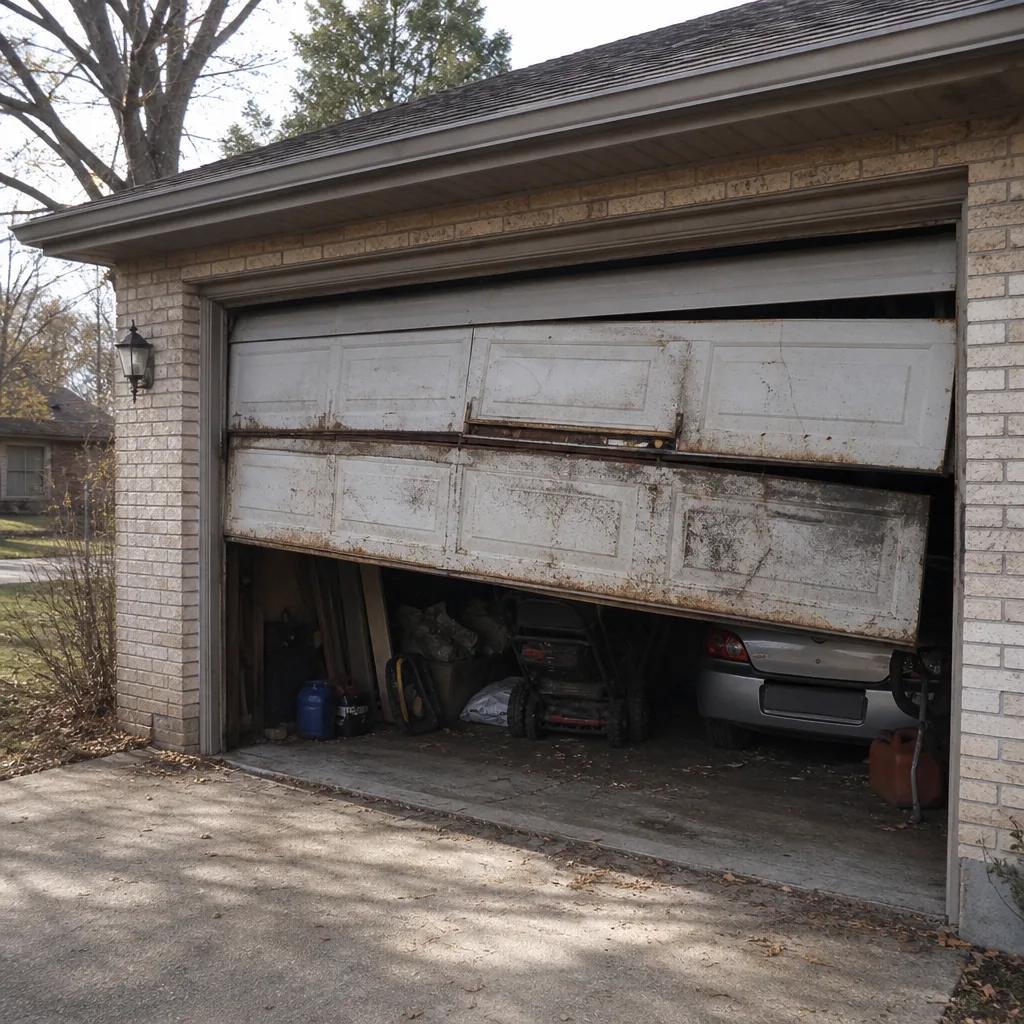 Before
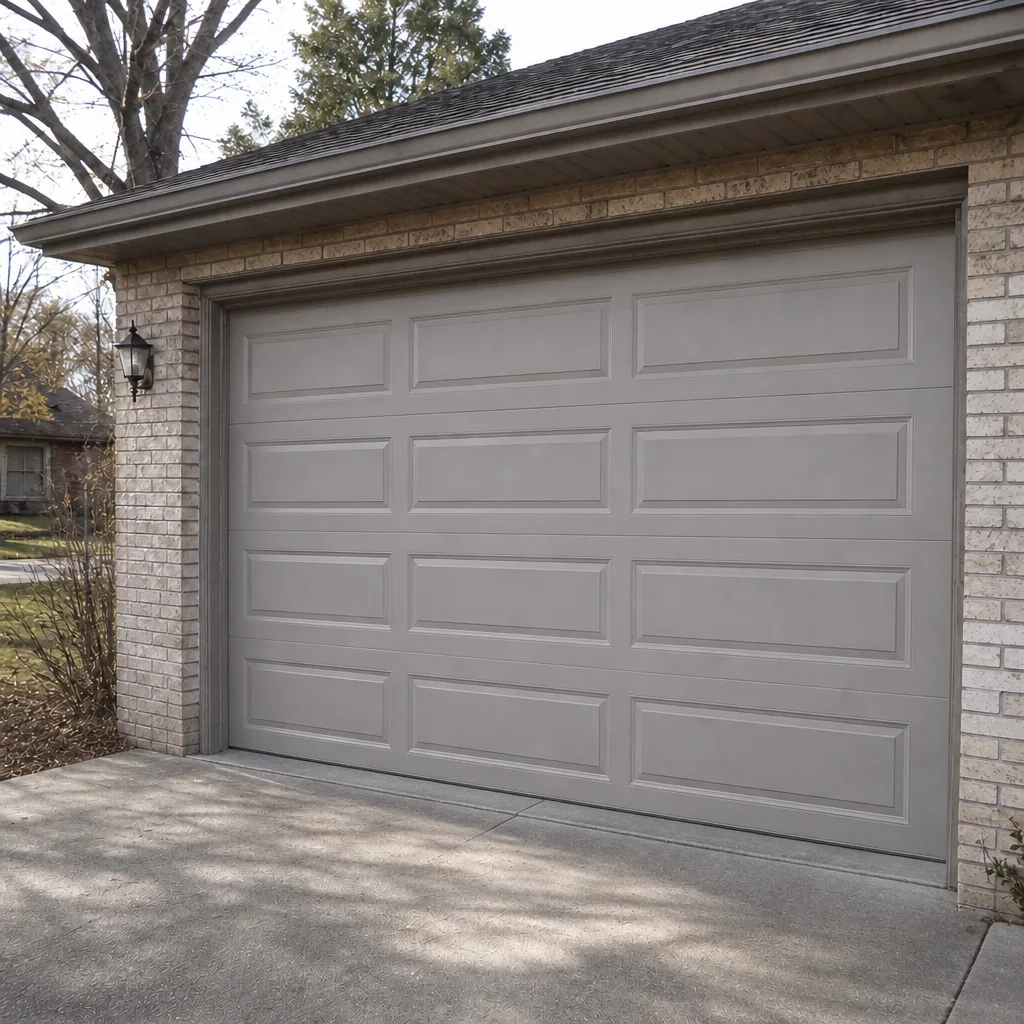 After
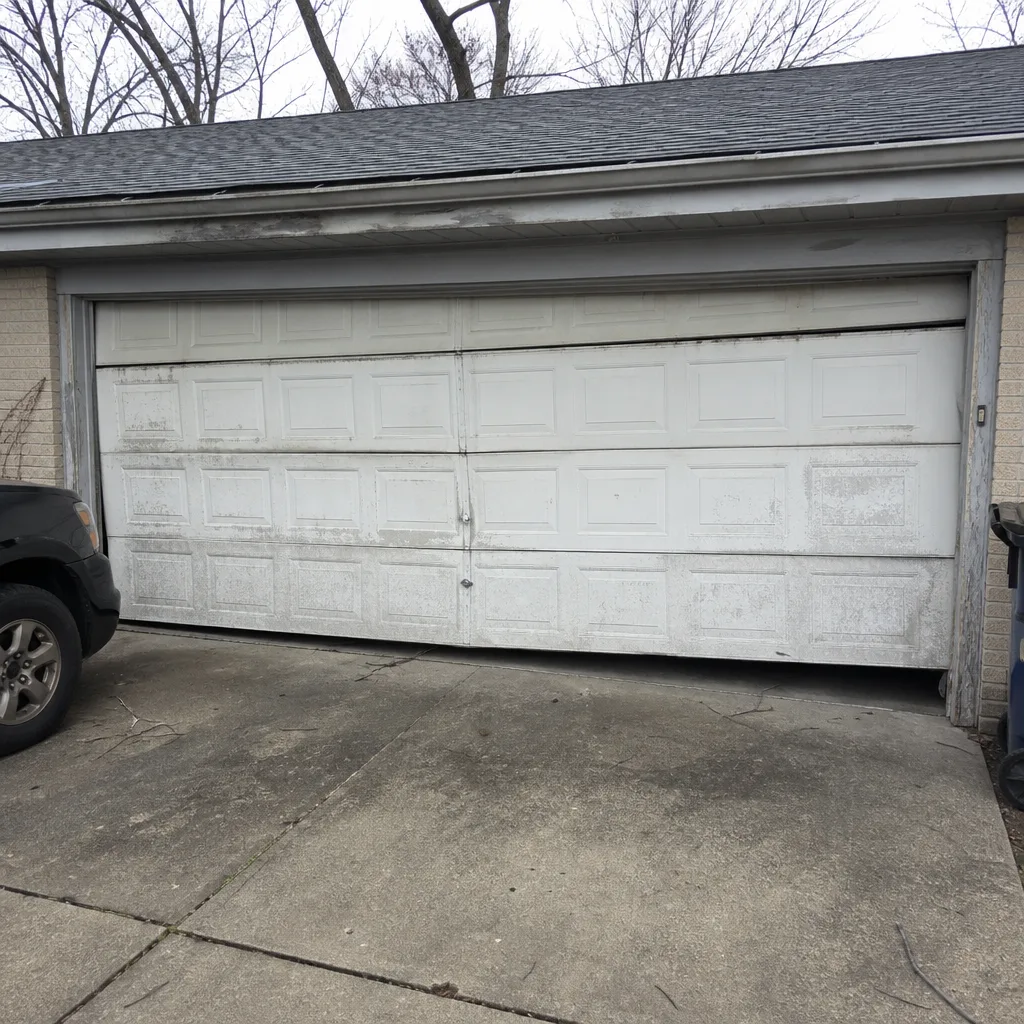 Before
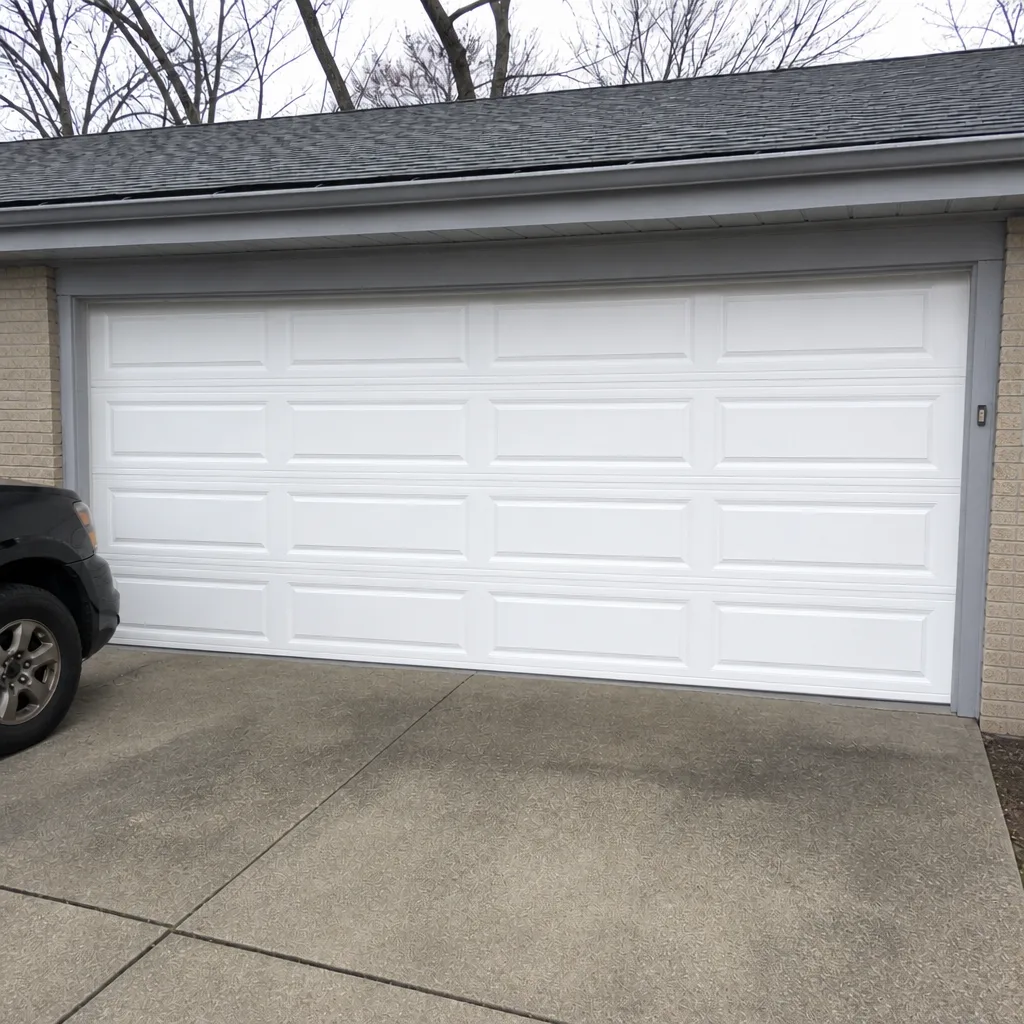 After
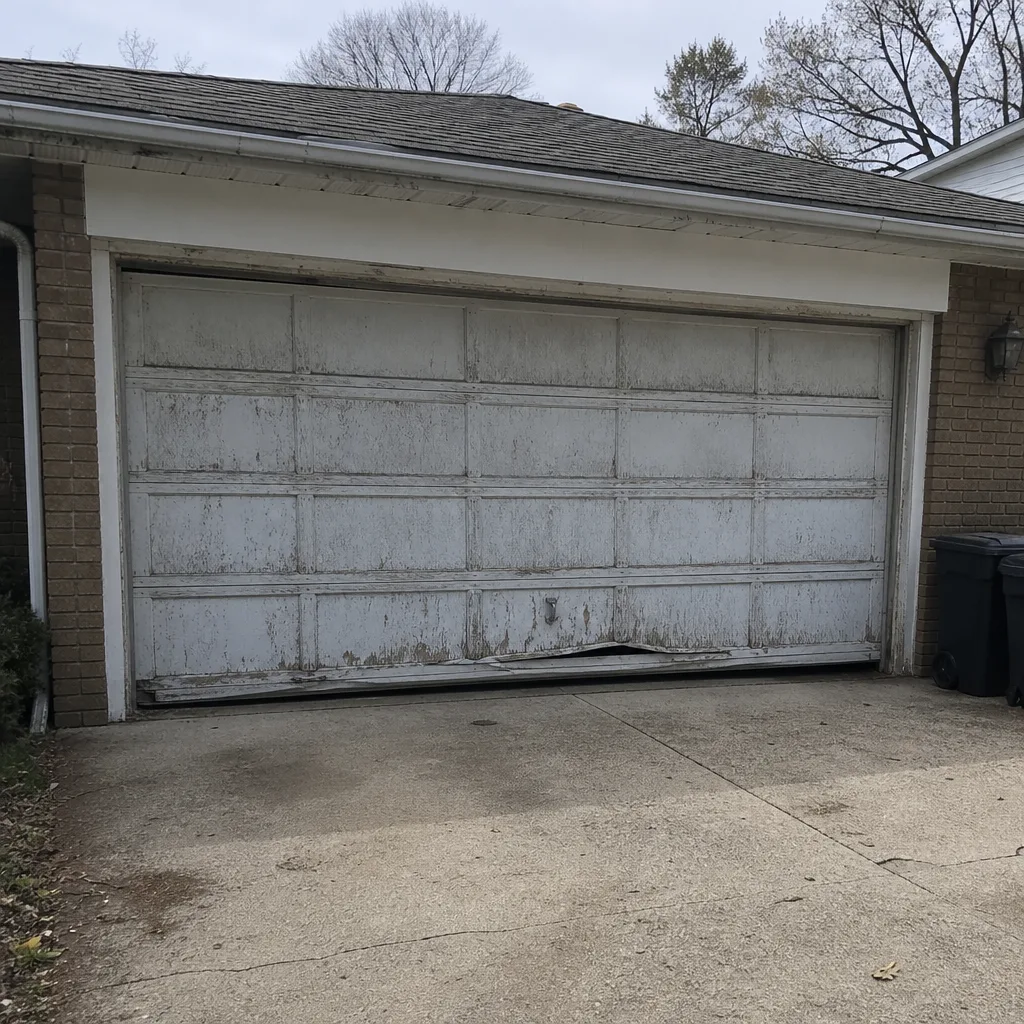 Before
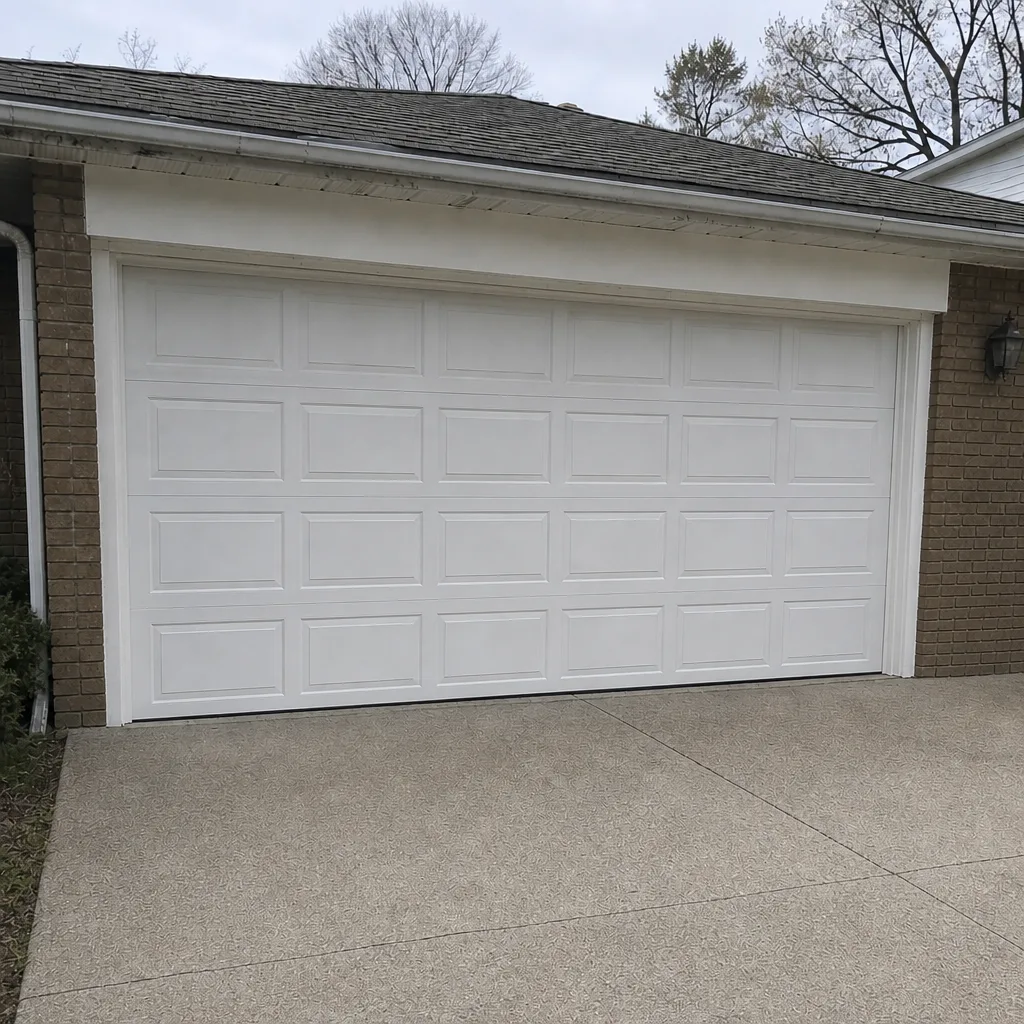 After
When to Call a Professional
Call a professional if you hear a loud bang and the door won’t open, if you see a snapped spring or a frayed cable, if the door hangs unevenly when open, if the door won’t reverse when something’s in its path, or if the door is slow or noisy and getting worse. These are the situations where a trained technician makes the difference between a straightforward repair and a much bigger one. If you’re on the fence, call anyway. A free estimate settles the question quickly and gives you a written number for the fix. Waukegan Garage Door Repair Pros offers free estimates in Waukegan – call (855) 658-5278. Our technicians have up to 13 years of experience, and we handle repair first, replacement only when necessary, so a fixable door gets fixed. Our emergency garage door service is available for situations that can’t wait.
Frequently Asked Questions
Most garage door repairs in the Waukegan area fall in a typical range of about $150 to $500, depending on what’s wrong. Small fixes like rollers, hinges and adjustments land near the low end, while spring replacement, cable work or track repair sit toward the top. The written estimate you get before any work starts sets the final price, so you’ll know the number up front. Call (855) 658-5278 for an exact quote. Estimates are free.
In many cases, yes. Emergency garage door service is a core part of what we do, and a stuck or broken door is exactly the situation it’s meant for. Call (855) 658-5278 and we’ll confirm timing. Same-day work depends on the day and the specific problem.
A broken spring is the most serious warning sign and means stop using the door immediately. A snapped torsion or extension spring leaves the door very heavy and the system under tension, so a trained technician should check it before anything else runs. Frayed cables and doors hanging off their tracks are close behind on the stop list. Call (855) 658-5278 to get it looked at safely.
A slow close usually points to a weakening spring working harder than it should, or an opener under more load than it was designed for. It’s one of the most commonly ignored warning signs because it happens gradually. Get it inspected before the spring fails outright. Call (855) 658-5278 for a free estimate.
We work on the brand you already have across LiftMaster, Chamberlain, Genie, Clopay, Amarr, Wayne Dalton, Craftsman and Raynor. That covers the vast majority of systems installed on Waukegan homes. If your specific brand is on that list, no second company is needed for repair or later replacement. Call (855) 658-5278 and tell us the brand and the symptom.
In most cases, repair is worth it, especially if the panels and structure are intact and the problem is mechanical. Springs, openers and hardware are all serviceable, and repair usually costs less than replacement. If the door is genuinely at the end of its life, we’ll say so. We don’t recommend replacement when a repair will do. Call (855) 658-5278 for a free estimate and a straight answer.
The Bottom Line
Your garage door is telling you what’s wrong, if you know how to listen. A grinding sound on one side is usually a roller or track problem. A bang followed by a door that won’t open is a spring. A slow close is the early signal that most homeowners miss. A door that won’t reverse is a safety issue that needs fixing now. Sorting the stop-now signs from the schedule-soon signs is the difference between a small repair and a bigger one. If any of these signs is showing up at your Waukegan home, call (855) 658-5278 for a free estimate. We work on the brand you already have, and our technicians have up to 13 years of experience.
Written by the team at Waukegan Garage Door Repair Pros.