Last updated November 22, 2026
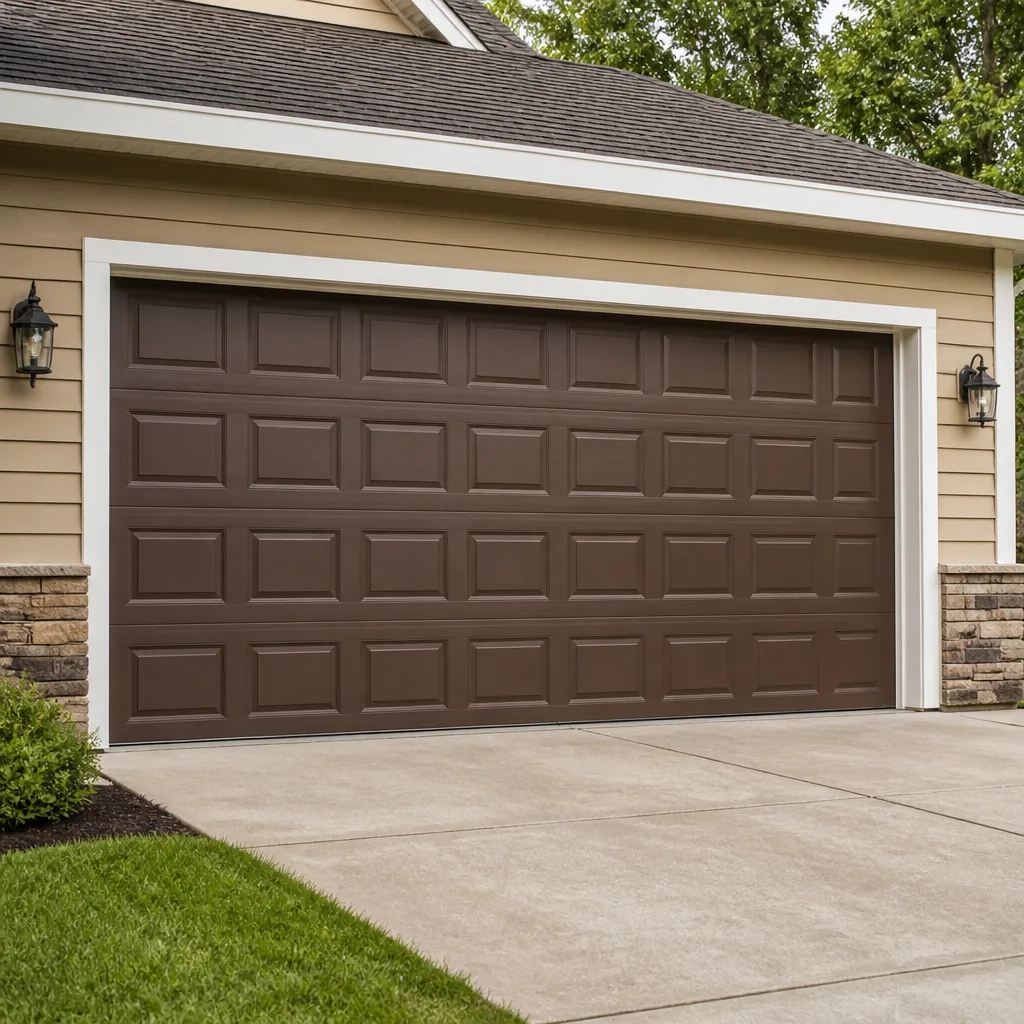 Raised-panel steel
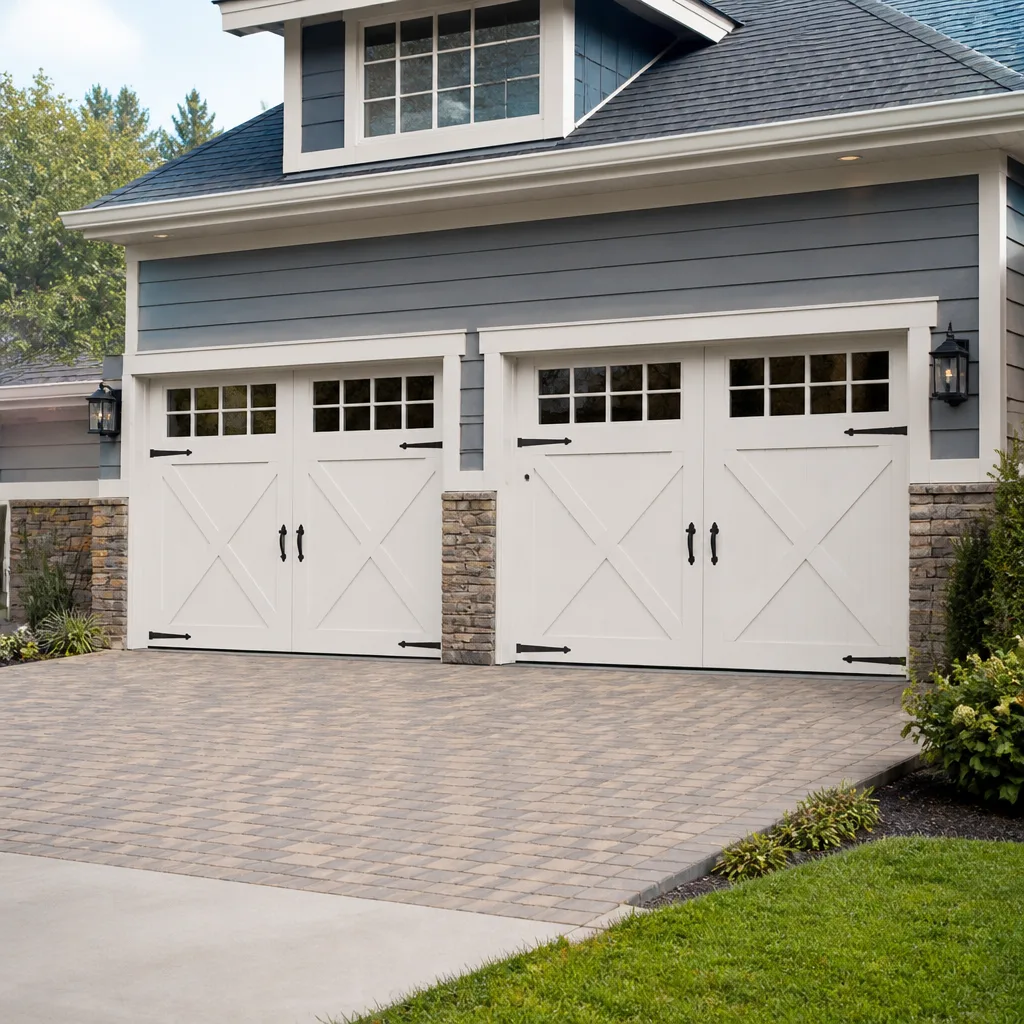 Carriage house
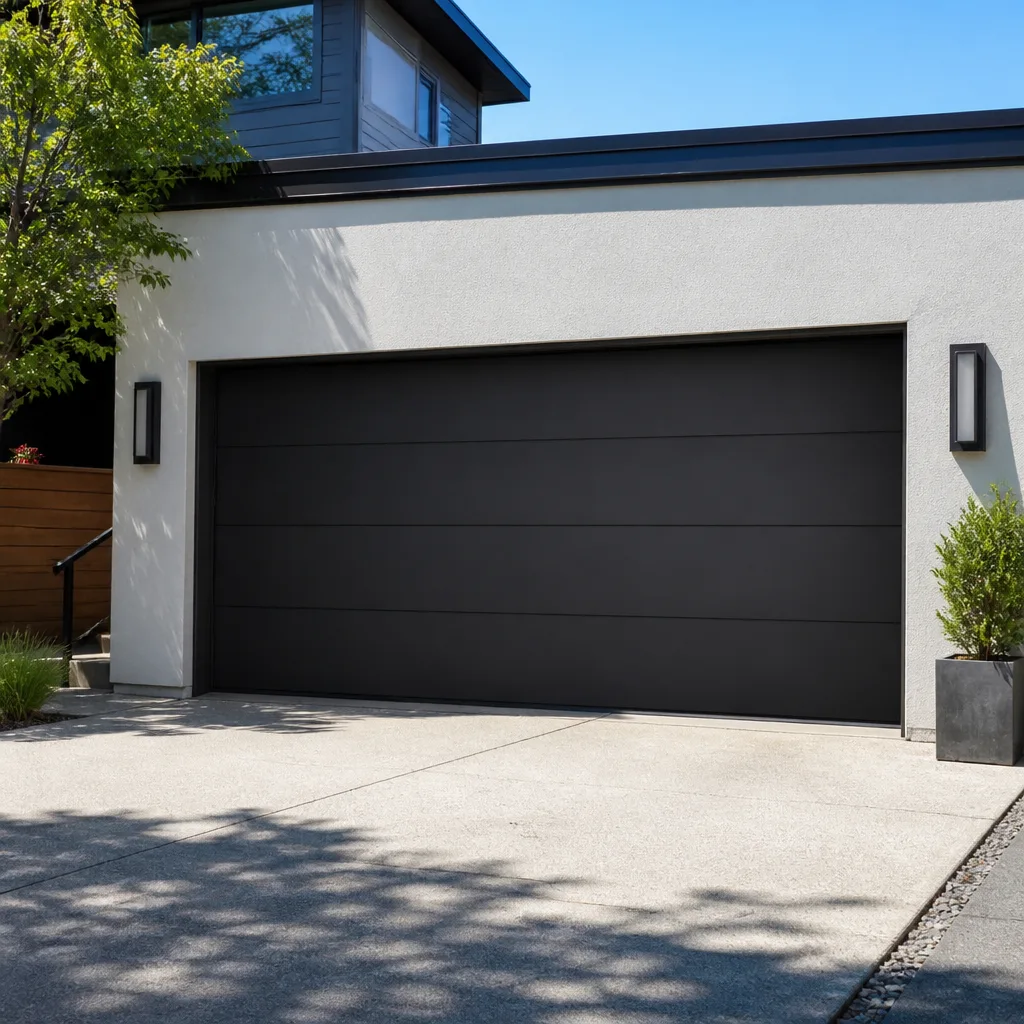 Modern flush
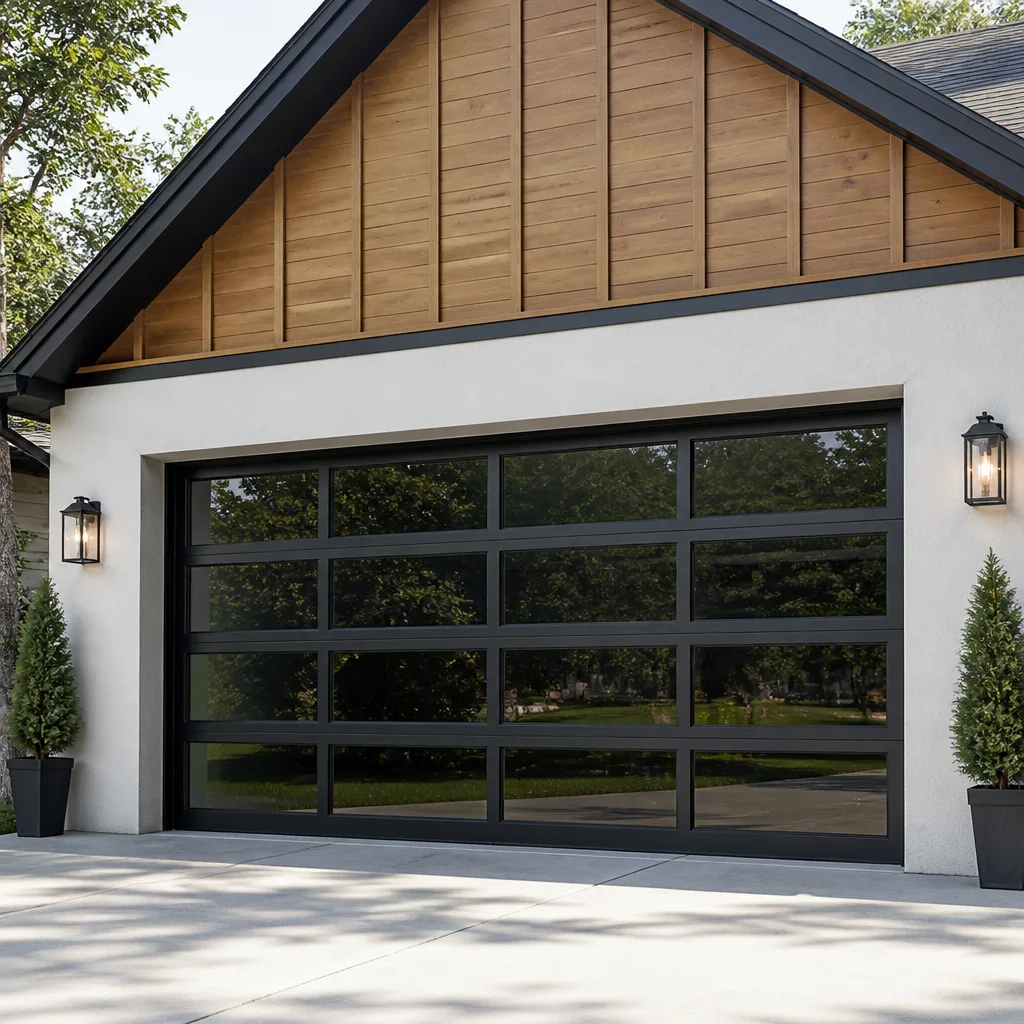 Full-view glass
 LiftMaster openers
 Chamberlain openers
Full 25-point door and opener safety check with every visit - springs, cables, rollers, tracks, and your LiftMaster or Chamberlain opener included
You get a price before we start. It does not change when the pro arrives.
Get your free estimateChoosing the Right Garage Door Brand: A Buyer’s Guide for Waukegan
Most homeowners in Waukegan don’t choose a garage door brand. They choose an installer, and the installer chooses a brand. That’s the part nobody explains up front. The door your neighbor swears by might be the door their contractor stocked in quantity, not the door that performs best on a north-facing garage with a stiff Lake Michigan wind coming off the bluff. Brand names matter, but less than most sales brochures suggest. In this guide we’ll walk through how the major brands actually differ in steel gauge, insulation, and warranty terms, what those high freeze-thaw cycles do to hardware, why spring quality and installation determine how long a door lasts, and how to tell whether a recommendation fits your garage or fits a contractor’s inventory.
Quick Answer
For most Waukegan homeowners, the right garage door brand is a mid-tier steel door from a recognized manufacturer (Clopay, Amarr, Wayne Dalton, Raynor, CHI, or Doorlink) installed by a technician who measures the opening correctly and matches the spring system to the door’s weight. Premium brands and premium tiers are worth the jump when you need real insulation value, a heavier steel gauge, or a warranty that survives the freeze-thaw cycling this region throws at hardware. The brand on the door matters less than who installed it and which springs went in behind the panels.
Styles & brands we work with
- Raised-panel steel
- Carriage house
- Modern flush
- Full-view glass
- LiftMaster openers
- Chamberlain openers
Table of Contents
- Why Brand Loyalty in Garage Doors Is Mostly Installer-Driven
- How Brands Actually Differ: Insulation, Steel Gauge, and Warranty
- What Lake Michigan Climate Does to a Garage Door
- Mid-Tier vs. Premium: Where the Price Jump Is Real and Where It’s Cosmetic
- Why Springs and Installation Matter More Than the Brand Name
- How to Evaluate a Contractor’s Brand Recommendation
- Opener Brands: The Part of the System You’ll Touch Most
- Repair First, Replace Only When Necessary: The Honest Test
Why Brand Loyalty in Garage Doors Is Mostly Installer-Driven
The garage door industry runs on distribution relationships. A contractor who does fifteen installs a month usually buys from one or two distributors who carry two or three manufacturers. That contractor learns one product line deeply, stocks its parts, and recommends it because they know how it behaves on the job. That’s a reasonable way to run a business. It’s also not the same thing as an unbiased brand comparison. When you ask a Waukegan installer which brand is best, the honest answer is usually “the one I know how to install right.”
There’s nothing sinister about this. Familiarity produces better installs. A technician who has hung fifty Amarr doors knows the hardware, the panel spacing, and the quirks of that line’s track systems. But it does mean you should treat any single-brand pitch as a starting point, not a conclusion.
What you actually want from a brand is a short list of things you can verify:
- Steel gauge. Standard residential doors typically use 24, 25, or 27-gauge steel. Thinner numbers sound better to shoppers who read them wrong. A 27-gauge skin is heavier and more dent-resistant than 24-gauge. Ask for the number in writing.
- Insulation type and R-value. Polystyrene (foamed-in-place or glued-in) is the budget tier. Polyurethane gives you more insulation per inch. R-values climb from single digits on uninsulated steel doors up through the double digits on premium insulated models. Ask what the specific model is rated at, not what the brand claims in general.
- Warranty terms. Read past the “lifetime” headline on the packaging. Most major brands separate the warranty into sections for the door section (panels), hardware, and finish. A lifetime panel warranty with a five-year hardware warranty is a very different promise.
- Local parts availability. A brand whose panels and hardware are widely stocked in Illinois is easier to repair five years from now than a brand whose nearest distributor is in another state.
A Waukegan homeowner who asks us about a specific brand gets an honest answer about compatibility, because our technicians work on LiftMaster, Chamberlain, Genie, Clopay, Amarr, Wayne Dalton, Craftsman, and Raynor systems regardless of who installed them. That’s the posture to look for when you’re interviewing any contractor: someone who works on the brand you already have, not just the brand they prefer to sell.
How Brands Actually Differ: Insulation, Steel Gauge, and Warranty
Clopay, Amarr, Wayne Dalton, CHI, Doorlink, and Raynor all make solid doors in overlapping price points. The differences live in the details: how the panels are constructed, what insulation goes inside, and how the warranty sections break down. Marketing language flattens those differences into the same smooth prose. Here’s how the brands actually separate on the attributes that matter.
Clopay is probably the most widely recognized residential brand, with a deep product ladder ranging from builder-grade steel to premium carriage-house and full-view doors. Their insulation options scale from uninsulated through polyurethane. Parts availability is strong because of market share. If you want a door that will definitely be repairable in ten years, Clopay is a safe bet.
Amarr competes directly with Clopay across the same tiers and is better known among contractors than homeowners. The doors are competitive on steel gauge and insulation, and the pricing often runs a touch under Clopay at comparable tiers. You’ll see Amarr doors all over the northern suburbs of Chicago, including Waukegan.
Wayne Dalton builds a very common builder-grade line and their premium lines step up insulation and panel construction. Wayne Dalton hardware has some proprietary characteristics – their track systems and certain hinges aren’t always cross-compatible with generic parts – so it’s worth confirming that a technician knows the brand before they touch your door.
Raynor is a Midwest brand with a strong local reputation for heavier-gauge steel and rugged commercial-grade construction. If your Waukegan garage faces the lake wind and you want a door that shrugs off weather intrusion, Raynor is worth asking about.
CHI and Doorlink are the brands you won’t see advertised much but contractors install constantly. Both build to a solid standard, and both offer mid-tier insulated steel doors that perform well for the price. These are the brands most likely to show up in a contractor recommendation for reasons of value rather than household recognition.
None of these brands is a bad choice. What separates good installs from expensive disappointments is whether the specific model was chosen to fit the opening, the climate, and your use pattern – not whether it carries the right name.
What Lake Michigan Climate Does to a Garage Door
Waukegan sits on the lake with the Waukegan River running through the ravine down to the harbor. That geography means a specific set of conditions for a garage door: wind that hits the door face at force on gale days, snowmelt that soaks into the slab and freezes overnight, and a freeze-thaw cycle that runs dozens and dozens of times between November and March. A door rated for a mild climate is not the same door that survives here.
Here’s what the local climate actually does to hardware and how to pick a brand accordingly.
- Freeze-thaw cycling attacks seals and hinges first. Bottom weather seals freeze to the slab, then tear loose when the door comes up. Hinges collect moisture and rust. Look for brands that specify galvanized or nylon-core hinges, and prioritize a door with a durable bottom seal and reasonable outdoor hardware coatings.
- Wind load matters more than homeowners expect. Sections facing open ground toward the lake get more wind pressure than inland garages. Heavier steel gauge helps. So does proper installed reinforcement. A brand whose doors are known for heavier-gauge skins is worth a premium here.
- Insulation earns its keep differently here. An attached garage in Waukegan pulls heat off the house every winter. If you park in that garage or use the space as a workshop, a polyurethane-insulated door with a real R-value pays back. If the garage is detached and unheated, the insulation value matters less and the steel gauge matters more.
- Snow and ice sit against the door bottom. Cheap bottom seals fail fast. Ask about the seal material on any door you’re considering.
- Summer heat swings the door the other way. Panels expand when the sun hits the face directly, and cheap tracks and hardware can bind. A warranty that includes tracking on hardware is worth more here than one that only covers panels.
None of this is brand-specific in the abstract. It becomes brand-specific when you ask the right questions: which model has the heavier gauge, which has the polyurethane insulation, which has a warranty that covers the hardware and the track. When Waukegan homeowners ask us for a recommendation, the climate usually answers half the question before the brand name does.
Mid-Tier vs. Premium: Where the Price Jump Is Real and Where It’s Cosmetic
The honest case for mid-tier versus premium comes down to whether you’ll actually use what you’re paying for. Premium garage doors cost thousands more than mid-tier in the Waukegan market, and some of that premium buys performance you’ll feel in the winter and some of it buys design details you simply like. Both are valid reasons to spend. Just be clear which one you’re buying.
Where the premium is real:
- Insulation type. Stepping from glued-in polystyrene to polyurethane gives you a real R-value increase, not marketing. That matters in an attached garage where you don’t want heat leaking.
- Steel gauge. A 27-gauge door resists dents and wind deflection better than 24-gauge. On a windward-facing garage in Waukegan, this is a genuine functional upgrade, not a cosmetic one.
- Warranty sections. Premium lines usually extend hardware and finish warranties. Finish warranties matter more here than in milder climates because of the freeze-thaw cycling and the seasonal sun exposure.
- Panels and window construction. Premium doors often have better-sealed window frames, which matters when wind drives rain at the door face.
Where the premium is mostly cosmetic:
- Carriage-house styling on an attached garage facing the alley. You’ll like it. It won’t change how the door performs.
- Premium paint finishes where the door doesn’t face the weather. A door on the leeward side of the garage will not benefit from the finish upgrades.
- Premium hardware appearance kits. Handles and straps that look old-fashioned don’t do old-fashioned things. They look good. That’s fine.
- Windows that let in daylight. You may love them. They also reduce the insulation value of an otherwise premium door, so factor that into the trade-off.
For most Waukegan homeowners, the sweet spot is the top of the mid-tier line: heavier steel, real insulation, and a warranty that doesn’t stop at the panels. Going up from there is a design decision as much as a performance one.
Why Springs and Installation Matter More Than the Brand Name
Here’s the piece that almost never makes it into a brand comparison: the brand on the door tells you very little about how long the door will last. The two things that actually determine longevity are the spring system and the quality of the installation. Get those wrong and even a premium door fails early. Get them right and a mid-tier door runs reliably for years.
Torsion springs and extension springs are sized to the weight of the door. A brand that doesn’t happen to be at the installer’s preferred weight class can get whatever spring the installer happens to have on the truck, which is how doors end up with springs that are oversized or undersized for their actual load. garage door spring repair is one of the jobs we handle most, and the number of doors we see with mismatched springs would surprise you. The door’s brand didn’t cause the problem. The installation did.
And springs are genuinely dangerous. A wound torsion spring stores enough energy to break bones or worse, which is why garage door repair on the spring system should never be a homeowner’s weekend project. The springs are the single highest-force component in the entire assembly. Torsion spring work needs winding bars, proper technique, and an understanding of what the cables and drums are doing. A general handyman who avoids spring work is being honest with you. A technician whose job involves spring replacement weekly is the right call.
Installation quality shows up in the details:
- Whether the tracks were leveled to the door’s actual travel, not to the framing.
- Whether the springs were matched to the door’s weight, not to the box.
- Whether the opener arm was mounted correctly and balanced against the door’s lift force.
- Whether the bottom seal was laid against the actual slope of the slab.
- Whether the door was weight-tested at every point in its travel before the installer walked away.
Every one of those is a brand-neutral decision. Any of the major brands we install will last if the install is right and fail early if it isn’t. That’s the honest answer to “which brand is best” – the brand is the door, the install is the lifespan.
How to Evaluate a Contractor’s Brand Recommendation
When a Waukegan contractor recommends a specific brand, the useful question isn’t “is this a good brand?” It’s “why this one?” Here’s a short evaluation you can run in a few minutes, whether you’re on the phone or standing in your garage with a technician.
- Ask how many brands they install and which ones they service. A contractor who installs one brand can still be excellent. A contractor who supports repairs across the major brands is more likely to be giving you a brand-neutral recommendation. When we install a door, we can also service Clopay, Amarr, Wayne Dalton, Raynor, and the rest of the eight brands we support, so a recommendation isn’t tied to a single supply line.
- Get the specific model number, not just the brand. “Clopay” is a company, not a door. A real recommendation includes the model, its insulation type, its steel gauge, and its warranty terms.
- Ask what warranty section covers the hardware. Panels, hardware, finish, and springs are usually separate sections, with different durations. If the answer is vague, ask again.
- Ask why they chose this door for this garage. A real reason mentions the opening dimensions, the wind exposure, insulation in the attached garage, or the usage pattern. A stocking preference reason sounds like “this is the one we carry.”
- Compare the quote against the brand’s published spec sheet. Every reputable brand publishes R-value, steel gauge, and warranty terms. If the quoted price is far below the model’s typical tier, ask what changed.
- Ask about spring sizing in the same conversation. Any honest recommendation includes the spring line. If springs never come up, the recommendation is incomplete.
The tell is whether the contractor is comfortable with a brand you suggest. A contractor whose answer is “sure, we can do that” or “here’s why X would be a better fit for this garage” is working for you. A contractor who can only recommend one brand, with no ability to explain the difference, is answering a different question.
Opener Brands: The Part of the System You’ll Touch Most
The door is the visible part, but the opener is the part you interact with daily. And the opener brand has a real effect on what you can do with the system: integrating it with your smart home, replacing a remote, and finding parts. In Waukegan, the mix of openers we see runs from modern smart-home-integrated units down to legacy Craftsman chain-drive openers still going strong from previous installs.
The three brand families that come up most in a residential setting:
- LiftMaster and Chamberlain. These two share a lot of engineering lineage and drive a large share of the installed base. Their smart-home integration has advanced furthest, with app control and ecosystem hooks that many newer Waukegan homes use. garage door opener repair on these units is straightforward when the technician knows the line.
- Genie. Common in mid-tier residential installs, with a solid service record. Genie’s hardware and control boards differ enough from LiftMaster and Chamberlain that a technician who knows only one family will be slower to diagnose issues.
- Craftsman. Legacy Craftsman chain-drive units are everywhere, and many still work fine. The challenge is parts, which have thinned out for older units. The good news is that Craftsman openers are widely understood and often repairable with available parts; the less good news is that some older models are finally at the end of their service life and a replacement makes more sense than repeated repairs.
None of this changes the door brand decision directly, but it does change the total system cost. If you’re buying a new door and keeping the existing opener, confirm the opener can handle the new door’s weight and travel before you finalize. If you’re replacing the opener too, picking an opener that matches the door’s capabilities and your smart-home setup is worth ten minutes of research. Repairs on the opener are the daily experience of the system, so getting the opener brand right matters more than most buyers realize.
Repair First, Replace Only When Necessary: The Honest Test
The most expensive mistake in this guide isn’t picking the wrong brand. It’s replacing a door that didn’t need replacing because someone recommended it. The honest test is simple: is the problem a mechanical failure (fixable) or a structural failure of the door itself (usually not)?
Problems that are generally repairable regardless of brand:
- A broken torsion or extension spring.
- A snapped cable.
- A bent or misaligned track.
- Worn rollers or hinges.
- A failed opener motor or logic board.
- A door off balance that needs its springs retensioned.
- A dented bottom section or a torn bottom seal.
Situations where replacement usually makes sense:
- A panel that’s rusted through and no longer matches the rest of the door in a way the homeowner cares about.
- A door too thin for wind exposure and too heavy to properly balance (older uninsulated doors on a windward-facing garage).
- A door whose parts are no longer manufactured and whose failures are cascading.
- A cosmetic upgrade you want for the house, which is a legitimate reason to replace even if the door works.
The key question to ask any contractor is what they see when they walk in the door. If the answer is “a full replacement” before they’ve looked at the spring, the opener, and the tracks, that’s a signal. The brand on your door is not the deciding factor here. The condition of the components is.
Common Mistakes to Avoid
- Choosing a brand based on the neighbor’s recommendation without knowing what their garage looks like. A door that works beautifully on a warm, sheltered garage in inland Waukegan will not be the same choice for a windward garage facing the bluff. Climate and exposure drive the decision as much as brand.
- Assuming a “lifetime” warranty is lifetime warranty on everything. Read the warranty sections. The panel warranty, hardware warranty, and finish warranty are usually all separate, with very different durations. Get the section breakdown in writing.
- Ignoring steel gauge because the number sounds lower. A 27-gauge door has heavier steel than a 24-gauge door. Thinner numbers sound worse to shoppers who read them wrong. Ask for the number and interpret it correctly.
- Paying for insulation you won’t benefit from. A detached, unheated garage doesn’t gain much from polyurethane over polystyrene. An attached garage where the family parks every day probably does. Match the insulation to the actual use.
- Skipping the spring conversation in the quote. If nobody has discussed spring sizing, the quote isn’t finished. Springs are the primary determinant of how long your new door lasts.
- Replacing the opener when a diagnostic would have fixed it. Modern openers have failure modes – a bound chain, a bad capacitor, a failed logic board – that are repair-friendly. Replacing the whole opener when a repair would do is the most common overspend we see in Waukegan.
- Replacing the door when a repair would do. Any contractor who leads with replacement before they’ve inspected the components is selling you a door, not a solution. Ask what’s actually broken first.
See the difference
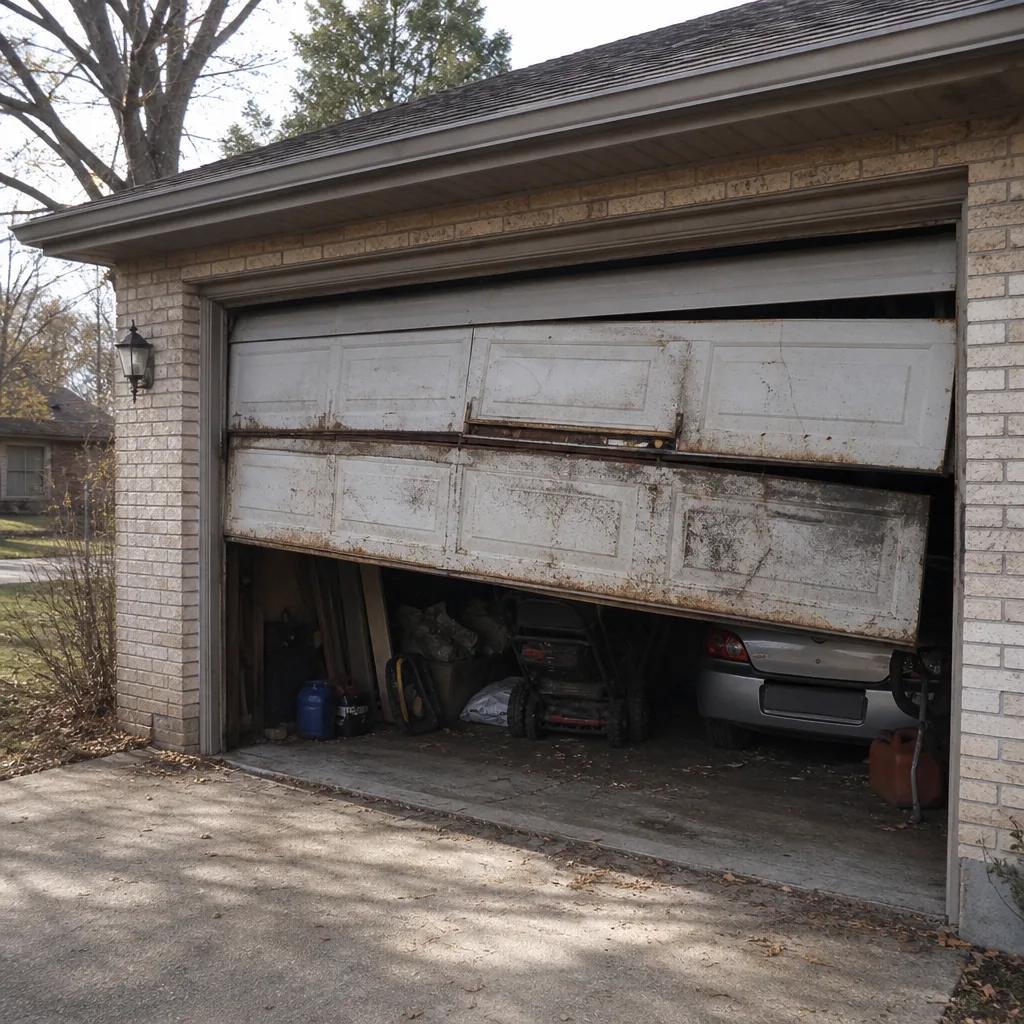 Before
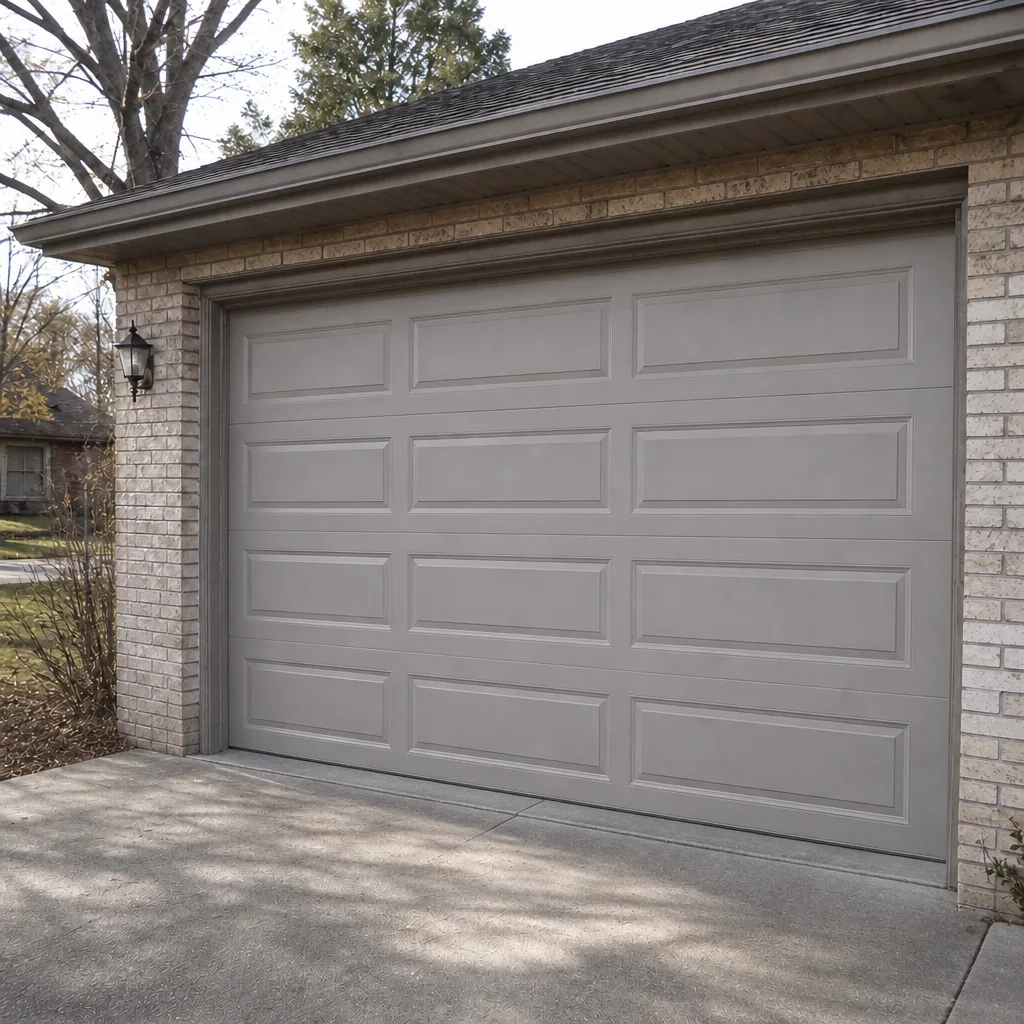 After
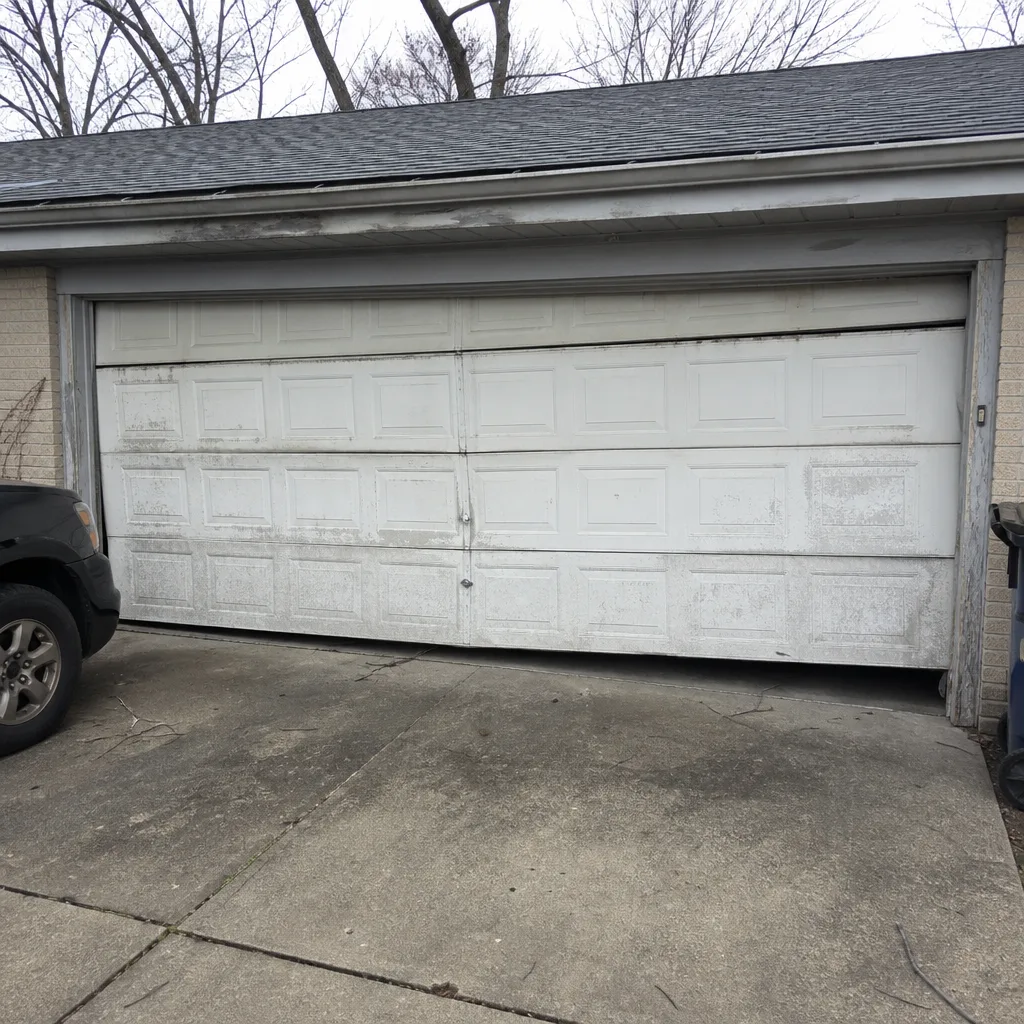 Before
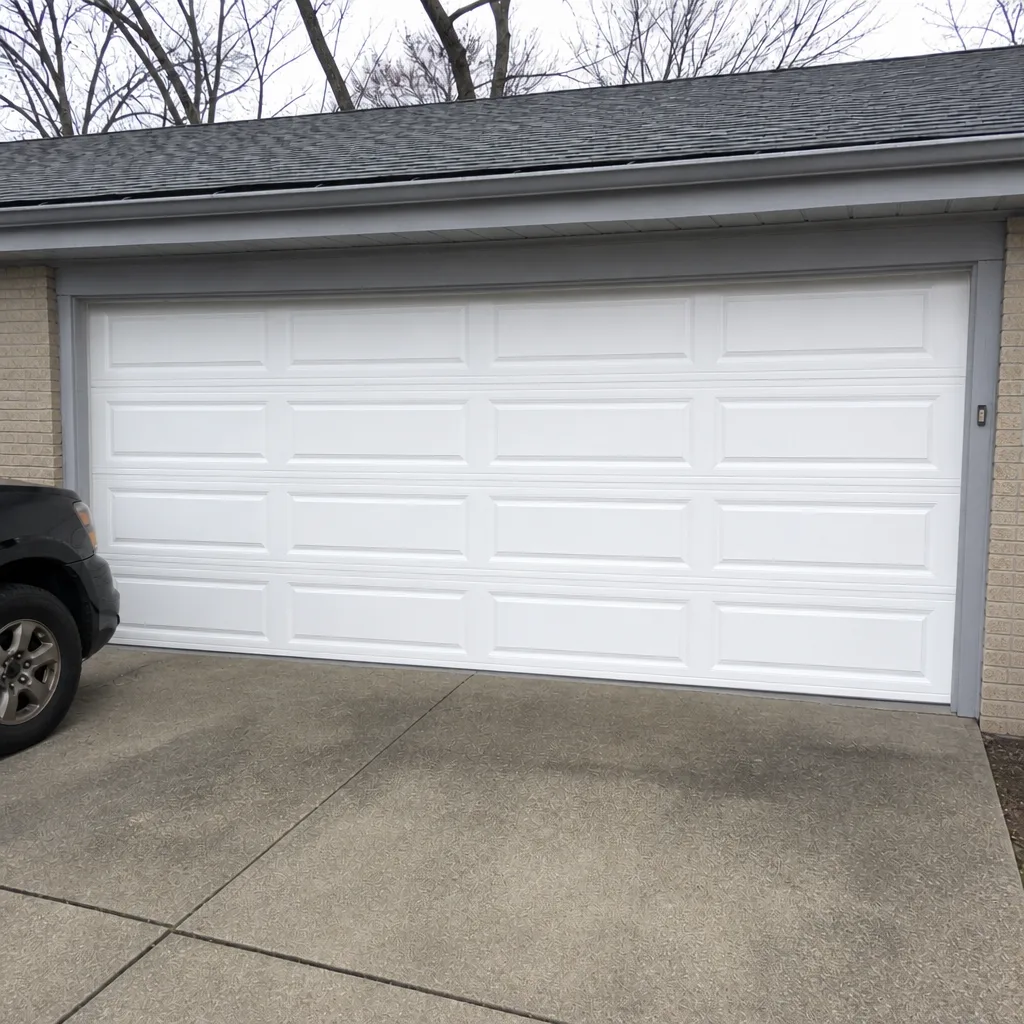 After
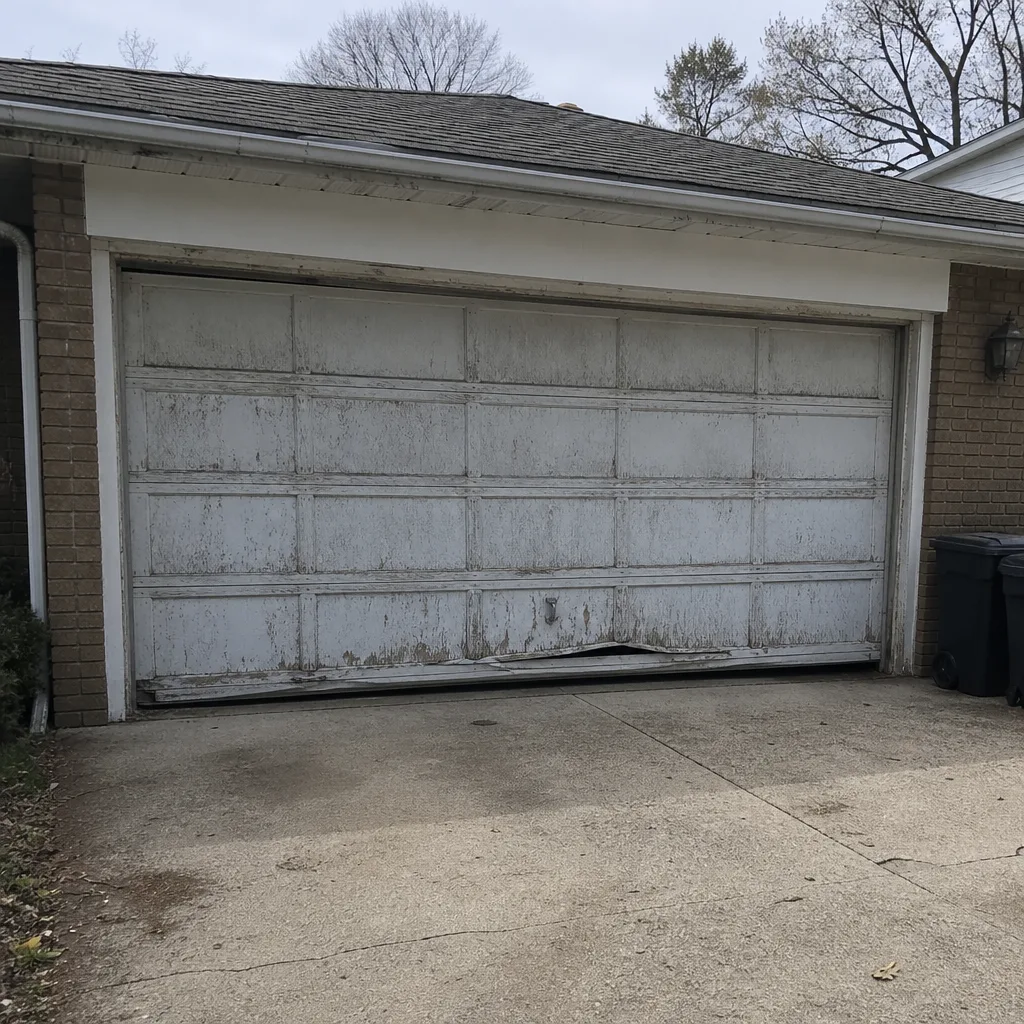 Before
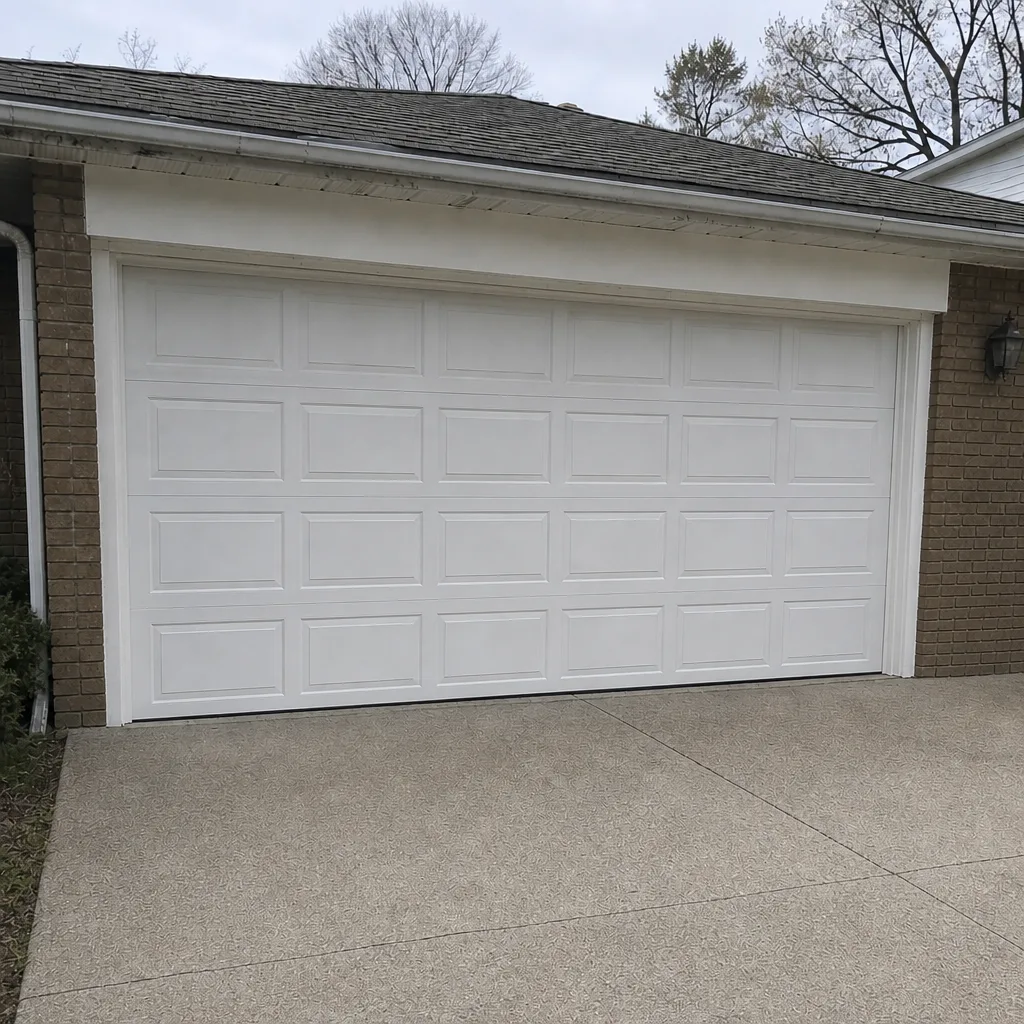 After
When to Call a Professional
Some garage door work is genuinely a professional call, and it’s worth being specific about which. Broken springs, snapped cables, and doors that came off track are the clear list: the components and the hazards are real, and the tools matter. A door that reverses unexpectedly, a door that won’t close all the way, or a door that’s been sluggish for weeks are all worth a diagnostic visit even if they aren’t obvious emergencies. Opener issues – the door runs on the remote but not the wall switch, the opener goes into constant reverse, the lights flash a diagnostic code – usually come down to a specific component and are worth a trained look. If the door just came off the rails or the spring snapped with the car halfway out, that’s an emergency, and it’s worth calling immediately even if it’s late. Waukegan Garage Door Repair Pros offers free estimates in Waukegan – call (855) 658-5278. When your door won’t move, we do.
Frequently Asked Questions
There isn’t one best brand; there’s a best fit for your garage. For most Waukegan homes, a mid-tier steel door from Clopay, Amarr, Wayne Dalton, Raynor, CHI, or Doorlink – installed with a properly sized spring system – will outperform a more expensive brand installed poorly. The climate is the deciding factor: a windward-facing garage on the bluff benefits from heavier steel gauge and better insulation than an inland garage facing a sheltered driveway. Ask for specific models, insulation values, and warranty sections before you commit. Call (855) 658-5278 for a free estimate on the right fit.
Garage door replacement in Waukegan typically runs somewhere in the $1,200 to $4,500 range depending on size, insulation, and material, with mid-tier insulated steel doors landing in the middle of that band and premium wood or carriage-house doors at the top. An installed price includes removing the old door, setting the new tracks, sizing springs to the new door’s weight, and testing the full travel. Opener replacement, if needed, is typically a separate line item. We’ll confirm the exact price in writing after measuring the opening. Call (855) 658-5278 for an exact quote – estimates are free.
Most cities, including Waukegan, have some permit requirements around structural work and some around electrical work for the opener; the specific rules and timelines come from the city’s building department, so ask them directly before scheduling. A reputable installer will know the local process and tell you what’s involved. If a contractor tells you no permit is ever required, ask them to confirm with the city in writing. Call (855) 658-5278 for a free estimate and we’ll walk you through the local process.
Only when the premium buys insulation you’ll benefit from, a heavier steel gauge you need for wind exposure, or a warranty section you actually care about. Premium carriage-house styling, decorative hardware, and finish upgrades are legitimate reasons to spend more, but they don’t make the door function better in Waukegan’s freeze-thaw cycles. For a sheltered, detached garage, the premium is mostly cosmetic. For a windward attached garage, the premium often earns its keep. Call (855) 658-5278 for a free estimate and we’ll help you decide.
Yes, and we do it every week. Springs, cables, tracks, rollers, hinges, bottom seals, opener logic boards, and most of the components that fail on a garage door are repairable regardless of the door brand, as long as the parts are available for that model. The exceptions are structural failures – a panel rusted through, a discontinued door with cascading failures – where replacement usually makes better sense. Waukegan Garage Door Repair Pros handles garage door repair in Waukegan alongside full installation, so we can give you an honest repair-or-replace answer rather than a sales pitch. Call (855) 658-5278 for a free estimate.
Our technicians work on LiftMaster, Chamberlain, Genie, Clopay, Amarr, Wayne Dalton, Craftsman, and Raynor systems, covering both the door and the opener side of the assembly. That means we can service the brand already on your house without needing to sell you a different one. Whether you need garage door opener repair on a modern smart-home-integrated LiftMaster or a Craftsman chain-drive unit from a previous install, our technicians have up to 13 years of experience with these systems. Call (855) 658-5278 for a free estimate – the written quote is the price.
The Bottom Line
The brand on your garage door tells you less about your door’s future than the spring system and the installation do. Play the odds: choose a reputable mid-tier model from a brand whose parts are widely stocked locally, size the springs to the actual weight, get a written quote with warranty sections spelled out, and pick a contractor who works on the brand you already have rather than one who sells only the brand they prefer. For windward garages facing the lake in Waukegan, heavier steel gauge and real insulation earn their upgrade. For sheltered, detached garages, mid-tier performs. And whether you’re repairing a spring or replacing a whole door, the price gets quoted and agreed before any work starts.
If you’re evaluating a brand recommendation or you need a Waukegan garage door repair opinion on the system you already own, we’re glad to help. We handle repair, opener repair, spring repair, installation, and emergency service across the eight brands listed above, and our estimates are free. Call (855) 658-5278 to talk through your options, or to get a written quote on the door or repair you’re considering.
Written by the team at Waukegan Garage Door Repair Pros.