Last updated November 22, 2026
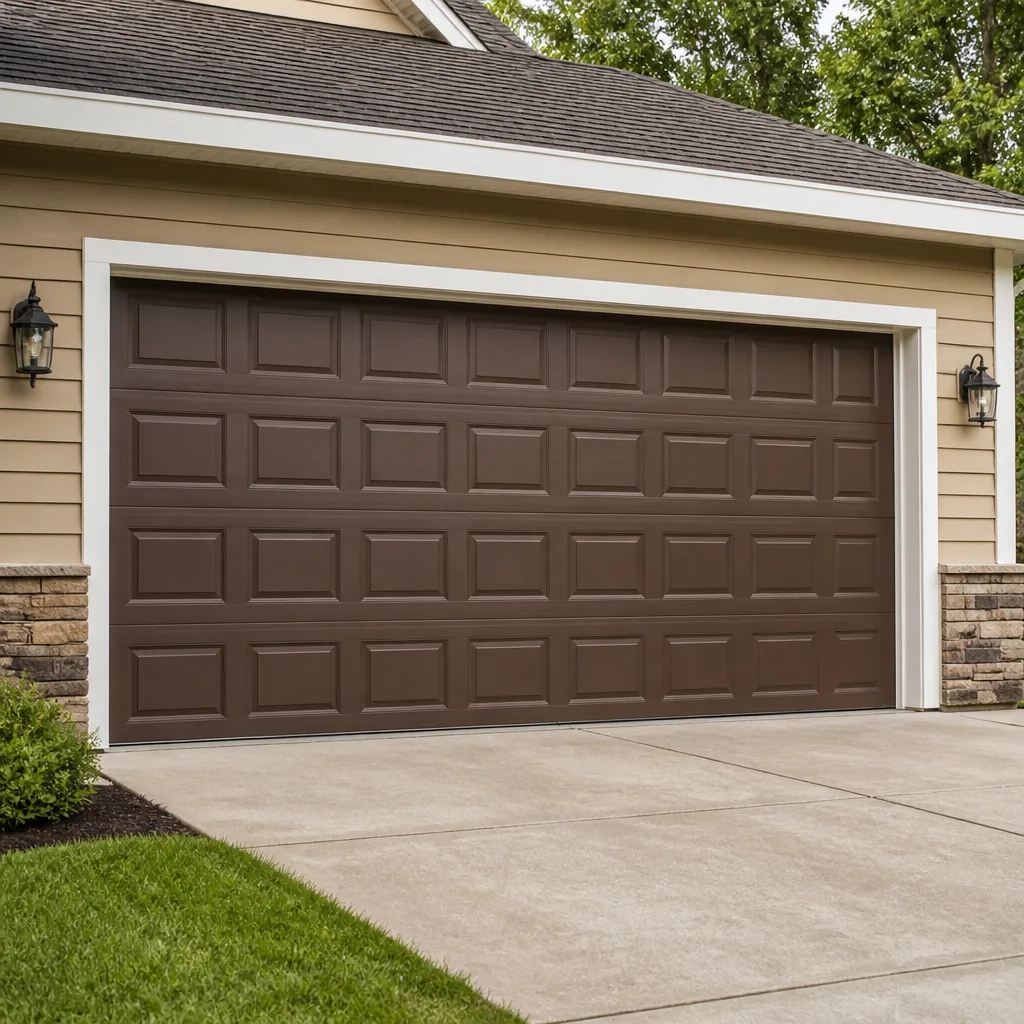 Raised-panel steel
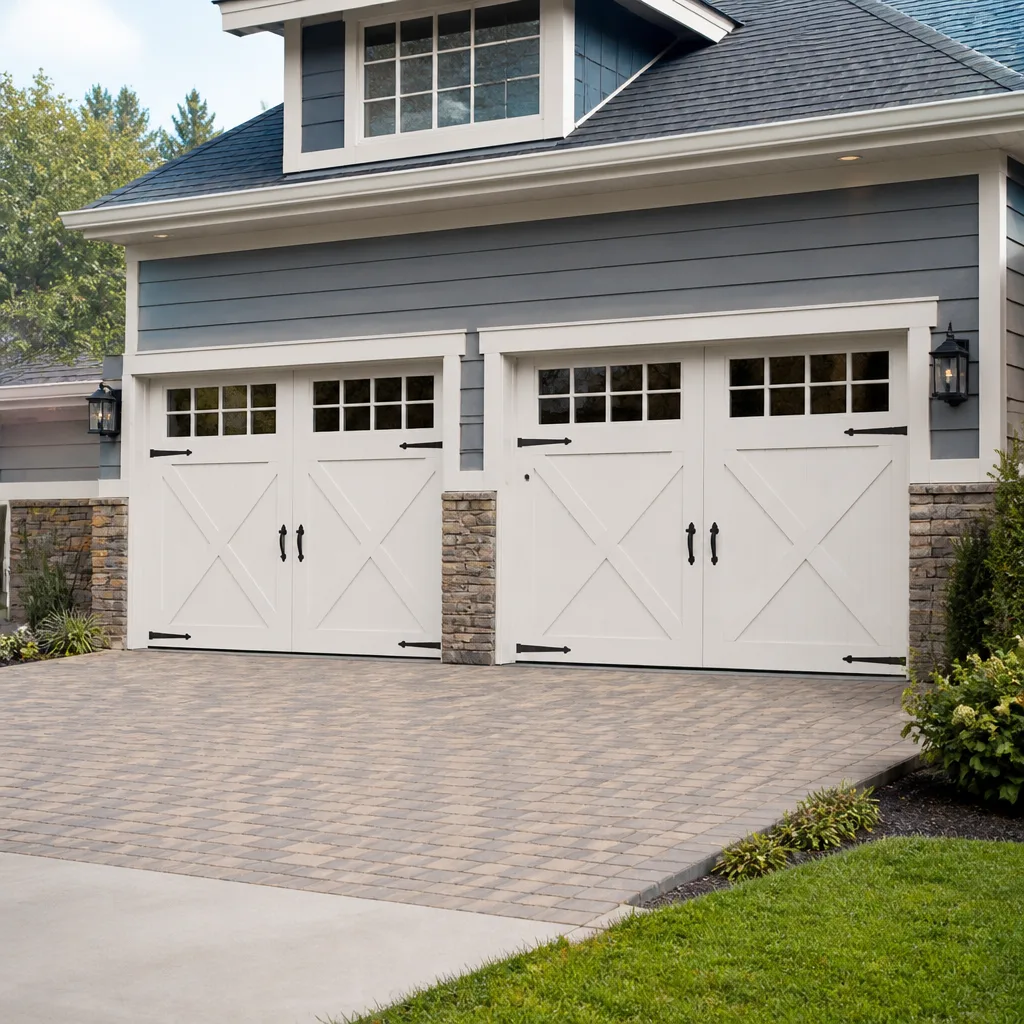 Carriage house
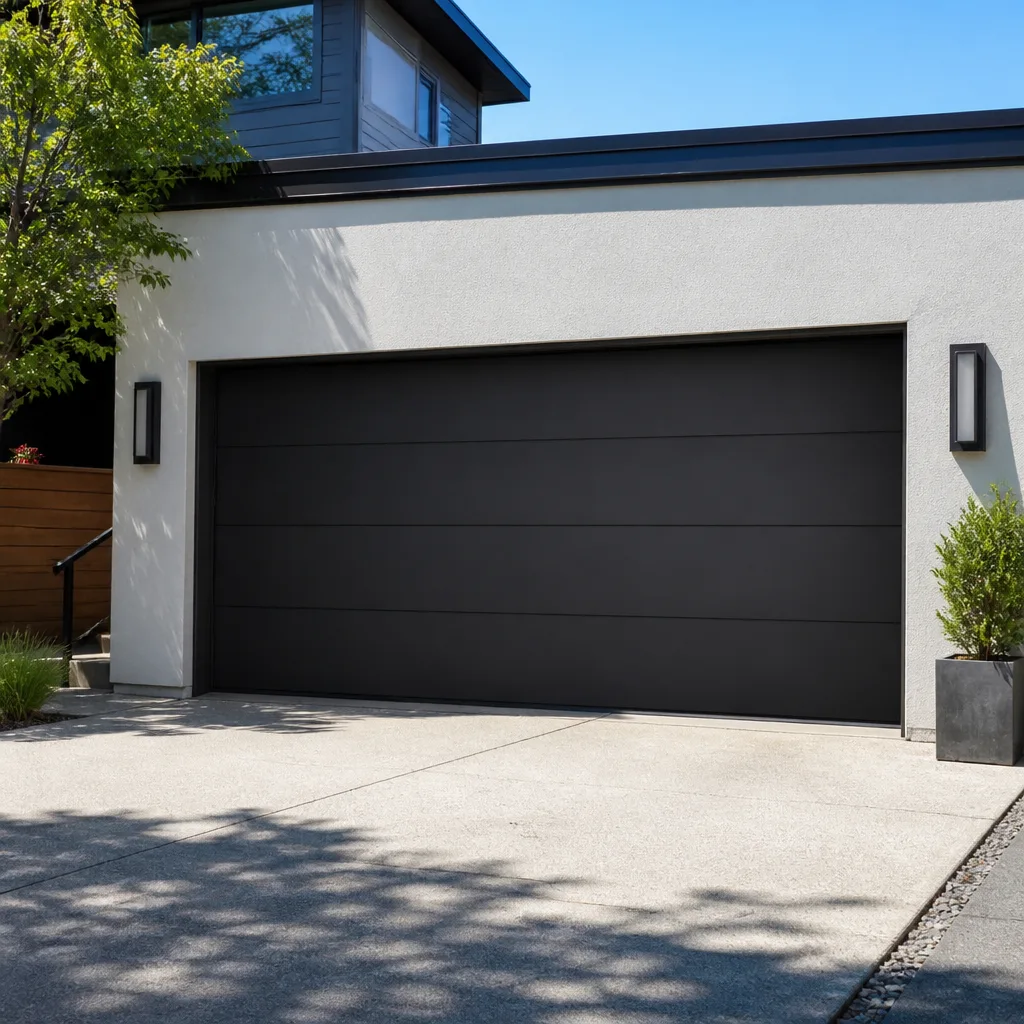 Modern flush
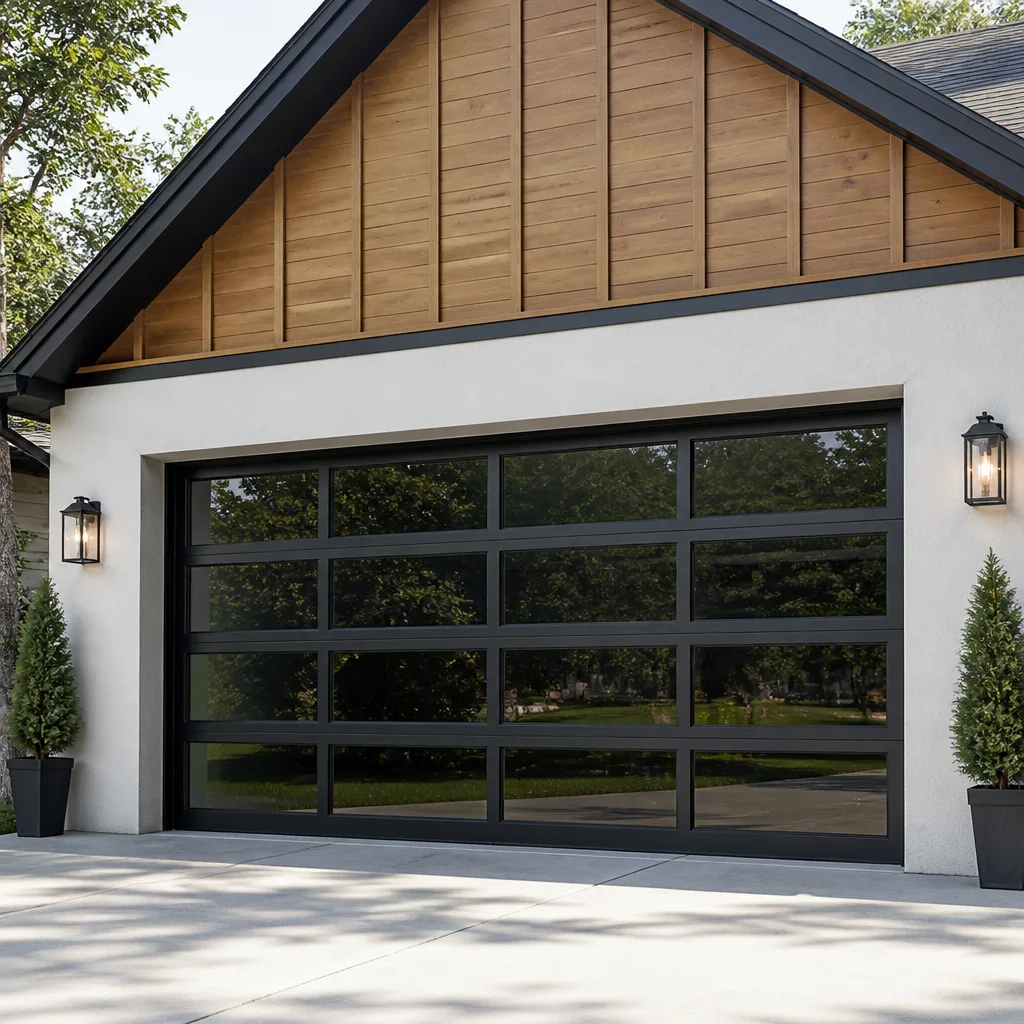 Full-view glass
 LiftMaster openers
 Chamberlain openers
Full 25-point door and opener safety check with every visit - springs, cables, rollers, tracks, and your LiftMaster or Chamberlain opener included
You get a price before we start. It does not change when the pro arrives.
Get your free estimateSeasonal Garage Door Care for Waukegan: Year-Round Homeowner’s Guide
October is the wrong month to prep your garage door for winter in Waukegan. By then, the temperature swings have already started stressing the hardware you should have serviced in September. Most seasonal guides treat garage door care as a two-part job, spring and fall, and that framing quietly guarantees you’re always reacting a season too late. Waukegan’s climate doesn’t hand you two windows; it hands you four genuinely different threat windows, each one peaking around a different failure mode. This guide maps specific tasks to specific months based on when each problem actually shows up around the Chicago metro, so you’re servicing the door ahead of the season that breaks it.
Quick Answer
Seasonal garage door care in Waukegan means assigning each maintenance task to the month when that failure mode peaks, not bundling everything into spring and fall. September through October is the time to lubricate moving parts and inspect weatherstripping before the first hard freeze. April through May is the time to clear the winter’s grit from tracks and rollers and check the balance of the door. Summer humidity drives as many track and roller failures as winter cold does, and late-summer door failures often trace back to a swollen, binding track rather than a worn spring.
Styles & brands we work with
- Raised-panel steel
- Carriage house
- Modern flush
- Full-view glass
- LiftMaster openers
- Chamberlain openers
Table of Contents
- Why Waukegan Has Four Threat Windows, Not Two
- The Month-by-Month Task Map for Waukegan
- How Waukegan’s Freeze-Thaw Cycle Wears Out Seals
- Summer Humidity and the Failures No One Warns You About
- Winterizing an Older Door That Wasn’t Built for Hard Cold
- The September Task That Prevents the Most January Emergency Calls
- Testing Balance, Spring Tension, and When to Stop
- What Each Season Does to Your Opener
Why Waukegan Has Four Threat Windows, Not Two
The standard spring-and-fall maintenance calendar was written for climates with a gentler transition between seasons. Waukegan sits through a lake-influenced cycle where each changeover pushes the door hardware through a distinct stress: a wet spring, a humid summer, a fast freeze, and a long, hard cold. Each of those stresses wears down a different part of the door, which is why a single “prep for winter” weekend can’t cover the whole year.
Here’s the short version of what each window does:
- Spring thaw (April – May): grit, de-icing residue and moisture collect in the tracks and between the rollers; the door’s balance is easiest to test once the temperature settles.
- Summer humidity (July – August): wood doors swell, metal tracks expand slightly, and rollers drag; binding shows up as a door that moves in fits and starts or a motor that sounds labored.
- First hard freeze (October – November): weatherstripping that’s cracked from summer sun is the first thing to fail; lubricated parts are the only defense against cold-stiffened hinges.
- Deep winter (December – February): the door runs on whatever care it got in the fall; this is when a cracked seal, a dry hinge or a tired spring finally gives out.
When we service a garage door in Waukegan, we’re usually fixing a part that failed in the season opposite the one that actually damaged it. The weatherstripping torn in February cracked in a hot August. The spring that snapped in January was stressed by a door that went out of balance in October. Understanding that lag is the heart of this guide.
The Month-by-Month Task Map for Waukegan
This is the schedule we’d hand to a homeowner who wants to keep the same door running for as long as possible. Every task here is something a careful homeowner can inspect, and the ones that touch springs or opener adjustments are usually best left to a professional.
- March: Walk the perimeter after the last big thaw. Look for water pooling at the door’s base and for frost heave along the threshold. Note any gaps in the bottom seal.
- April: Clear the tracks with a dry cloth rather than a solvent. Remove sand and grit from the roller channels. Test the door’s balance by hand (see the balance section below).
- May: Check the hinges and rollers for wear. Listen for squeaks as the door opens. Squeaking already in May usually means a dry hinge that got rain-soaked all spring.
- June: Lubricate moving parts with a garage-door-rated lubricant. Avoid heavy grease, which collects grit and dust.
- July: Watch for binding in high humidity. If a wood door has swelled enough to drag on the frame, note where it rubs. It’s a repair, not a replacement, most of the time.
- August: Inspect the weatherstripping along the sides and top. Sun and heat are what crack the seal from above; you’re looking for the first signs of drying before winter makes a small tear a real problem.
- September: The most important month for winter readiness. Lubricate hinges, rollers, and the torsion bar’s bearings. Replace any weatherstripping that shows cracking or gaps. This is the check that prevents most January emergency calls.
- October – November: Confirm the bottom seal sits flush against the floor. Test the auto-reverse safety feature. Have the springs checked by a professional as temperatures drop, since cold is when they’re most likely to fail.
- December – February: Minimal routine tasks. If a part has held this long, it will likely see the season out; if something fails, treat it as an emergency rather than waiting for spring.
Print this and stick it inside the door between the house and the garage. The homeowner who works the list is doing more for door longevity than the one who replaces the opener every five years.
How Waukegan’s Freeze-Thaw Cycle Wears Out Seals
Weatherstripping fails in Waukegan the way nothing fails in a milder climate: through repeated freeze-thaw cycling. Each time the temperature crosses the freezing mark, moisture that has worked its way into the seal freezes, expands, and then thaws, leaving the material slightly deformed. Do this enough times over a single winter and the seal loses its shape entirely. The rubber no longer presses against the floor and frame, and the bottom corners curl or pull away.
The consequences are practical, not cosmetic:
- Cold air enters along the bottom corners, and the room above the garage gets colder than it should.
- Water can seep in during a thaw, and it refreezes on the concrete just inside the door, which is a slip hazard and a track-jamming risk.
- Pests find the gaps long before you notice them, especially at the bottom corners where the seal has curled.
- Because the seal no longer forms a snug fit, the door can rattle more on windy days, which loosens hinge bolts over time.
The fix here is not a new door. A bottom seal and the side pieces are replaceable, and a professional can swap them in a single visit. Check them in September when the material is still flexible enough to press into shape in your hand. If a section stays permanently deformed after you pinch it, plan to replace it before the first freeze.
Summer Humidity and the Failures No One Warns You About
Most seasonal guides skip July and August entirely, as though nothing happens to a garage door in summer. In practice, our summer service volume is nearly as steady as winter’s, and the cause is humidity. Warm, moist air makes wood panels swell, slightly expands metal tracks, and softens the lubricant you applied in June. The door that opened smoothly in May can start to bind by mid-July.
The symptoms are easy to spot:
- A door that moves in a jerky motion rather than a smooth glide.
- The opener sounding louder or more strained than usual.
- Visible gaps at the track where a roller has torn loose, since a binding door pulls on the rollers unevenly.
- A door that doesn’t close flush on the first try and cycles back open, triggering the safety sensor.
If your door uses wood panels (Clopay and Amarr both offer wood-look and wood-face options common in older Waukegan homes), the swelling is seasonal and often corrects itself as fall arrives. Non-wood doors rely on the track and rollers behaving consistently through humidity. When binding appears in summer, the fix is usually a track adjustment and fresh, lighter lubricant rather than a new opener. Cleaning out a track that has collected debris is part of the seasonal work, and we handle that on the same visit as any garage door repair.
Winterizing an Older Door That Wasn’t Built for Hard Cold
Many Waukegan homes have doors that were installed with a milder climate in mind and have since aged into the current one. That doesn’t mean replacing them. It means giving the door the winter protection it didn’t originally need. The goal is to keep the door running smoothly when the temperature drops well below freezing, which is the season this equipment faces the most stress.
Start with the parts that matter most in cold:
- Lubricate hinges and rollers. Older hardware dries out and becomes stiff in cold. A garage-door-rated lubricant keeps the hinge pins moving freely instead of rusting shut.
- Check the torsion bar bearings. On an older door, the bearings at the ends of the torsion bar are where a sticking spring shows up first. A professional can check them and add a small amount of the right lubricant.
- Replace the bottom seal if it’s cracked. An older seal that has gone hard and brittle lets cold air in all winter. A fresh seal is one of the cheapest upgrades you can make.
- Insulate the door if it isn’t insulated. Older single-panel metal doors lose heat fast. If the garage sits under a living space, insulating the door itself is worth a conversation with a professional.
- Have the springs inspected before the cold peaks. A spring that’s already near the end of its life is most likely to fail once the temperature plunges. Checking it in October prevents a January emergency.
Doors by Clopay, Amarr and other manufacturers can be given years of extra life this way. The point is to repair the parts that fail in cold, not to replace a door that still has structure and function. That’s the “repair first, replace only when necessary” logic we work from.
The September Task That Prevents the Most January Emergency Calls
The single task that prevents the most January emergency calls is a focused September lubrication pass on the hinges, rollers and torsion-bar bearings, combined with a weatherstripping check. It takes less than 20 minutes if you have the right lubricant and a clean rag, and it covers the two failure points most likely to strand you in deep cold: a hinge that rusted shut and a seal that gave way.
Here’s the routine, and it requires no special tools:
- Raise the door fully and let it rest at the top of its travel. Never work with the door in motion and never touch the springs.
- Lightly apply a garage-door-rated lubricant to each hinge pin. Wipe off excess so dust doesn’t collect.
- Roll the door down a foot or two, then back up, and inspect the rollers in the track. Replace any roller that is cracked or has a flat spot.
- Run a hand gently along the side and top weatherstripping. Note any place that feels stiff, cracked or has pulled away from the frame.
- Check the bottom seal. If it’s torn, note where. It can be replaced.
- Open and close the door a few times and listen. A well-lubricated door is quieter and smoother; a door that still squeals or binds needs more than lubrication.
If anything here points past lubrication, call a professional. That’s the moment when the winter is still ahead of you and a repair can be scheduled without a scramble. When your door won’t move, we do, and our garage door spring repair team is the one to call before the first freeze.
Testing Balance, Spring Tension, and When to Stop
A garage door that is out of balance wears out springs, openers and rollers faster than any other failing part. Testing the balance is something you can do safely; adjusting the springs is not. Here’s the line between the two.
What you can test: With the door closed, pull the manual release rope that disengages the door from the opener, then raise the door about halfway by hand and let go. A balanced door should stay roughly in place. If it drops quickly, the springs are doing too little work. If it shoots up, they’re doing too much. Either way, note it and call a professional.
Where to stop: Do not attempt to adjust, tension or replace the torsion or extension springs yourself. The springs are under extreme tension, and the tools and technique required are not something to improvise. This is one of the most hazardous jobs on a garage door, and it’s why spring repair is a separate specialty many general handymen steer clear of. A trained technician with the right winding bars, understanding of the door’s weight, and safety procedure should do the work.
If a balance test turns up a problem, call our team for spring repair or have the door evaluated before the cold makes the problem worse. The same visit can catch worn rollers and a track that needs adjusting, so the door isn’t just fixed at one point but set up for the season ahead.
What Each Season Does to Your Opener
The opener gets blamed for a lot of problems that actually belong to the door. This matters seasonally, because your opener has to work harder in summer (binding door) and in winter (stiff, cold parts) than it does in the gentle months. Knowing which seasons stress the opener helps you avoid replacing a motor that’s perfectly fine.
- Summer: a swelling door drags, and the opener strains. If the motor sounds labored, check the door’s balance first.
- Fall: leaving the opener to close a door that’s binding chews through drive gears, especially on older units. A lubricated door saves the opener.
- Winter: cold makes every joint stiffer. The opener’s reversing sensitivity may trip more often, causing the door to cycle back up.
- Spring: the opener after a long winter is the best time to inspect the safety sensors and the auto-reverse function before they’re tested by real use.
Across the seasonal cycle, smart and legacy openers need the same things: clean sensors, correct force settings, and a door that isn’t fighting them. LiftMaster, Chamberlain and Genie systems handle the force settings differently, which is why we ask which brand the homeowner already owns before diagnosing. Working on the garage door opener repair side means we can fix the control, the sensor, or the drive gear without pushing a new unit. A Craftsman opener that’s twenty years old often needs a $40 part, not a $400 replacement.
Common Mistakes to Avoid
- Treating “winter prep” as a single October weekend. By October, the temperature swings have already stressed the hardware. Start the essential pass in September, when there’s time to schedule any repair.
- Ignoring summer humidity as a cause of failure. A binding door in July is a real problem that shows up as a broken part by fall. Lubricate and check balance as often in summer as in winter.
- Lubricating with the wrong product. Heavy grease traps grit and speeds up track wear. Use a lubricant rated for garage door hardware, applied sparingly.
- Assuming a cracked bottom seal is cosmetic. A failed seal lets in cold air, moisture and pests, and it can let water refreeze inside the track during a thaw cycle. Replace it before the first freeze, not after.
- Replacing an opener when the door is out of balance. A strained motor often traces back to a binding track or a door that’s not lifting under its own weight. Diagnose the door first.
- Trying to adjust the springs yourself. The most dangerous part of the door to touch. Leave spring tension to a trained technician.
- Waiting for the door to break in January to call. The deep-winter emergency visits are almost always the January reminder of September’s skipped maintenance.
See the difference
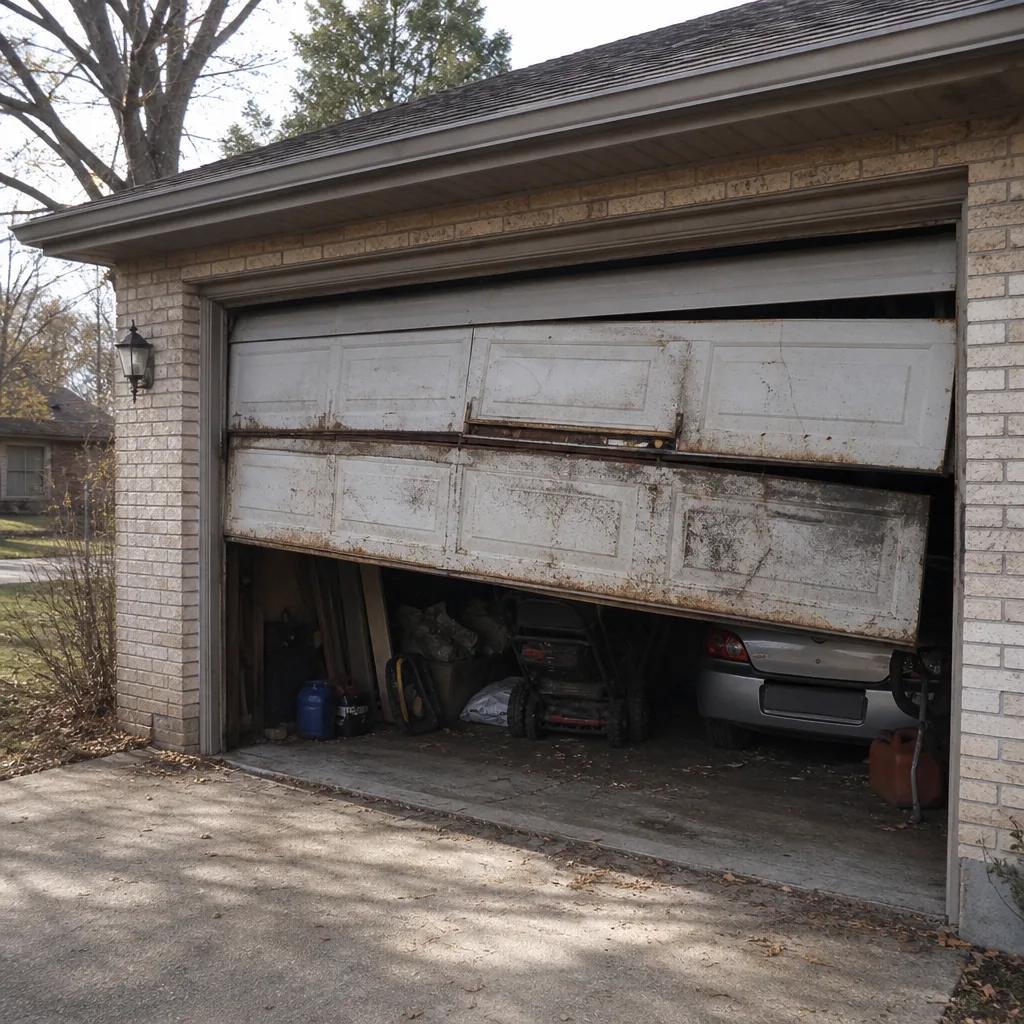 Before
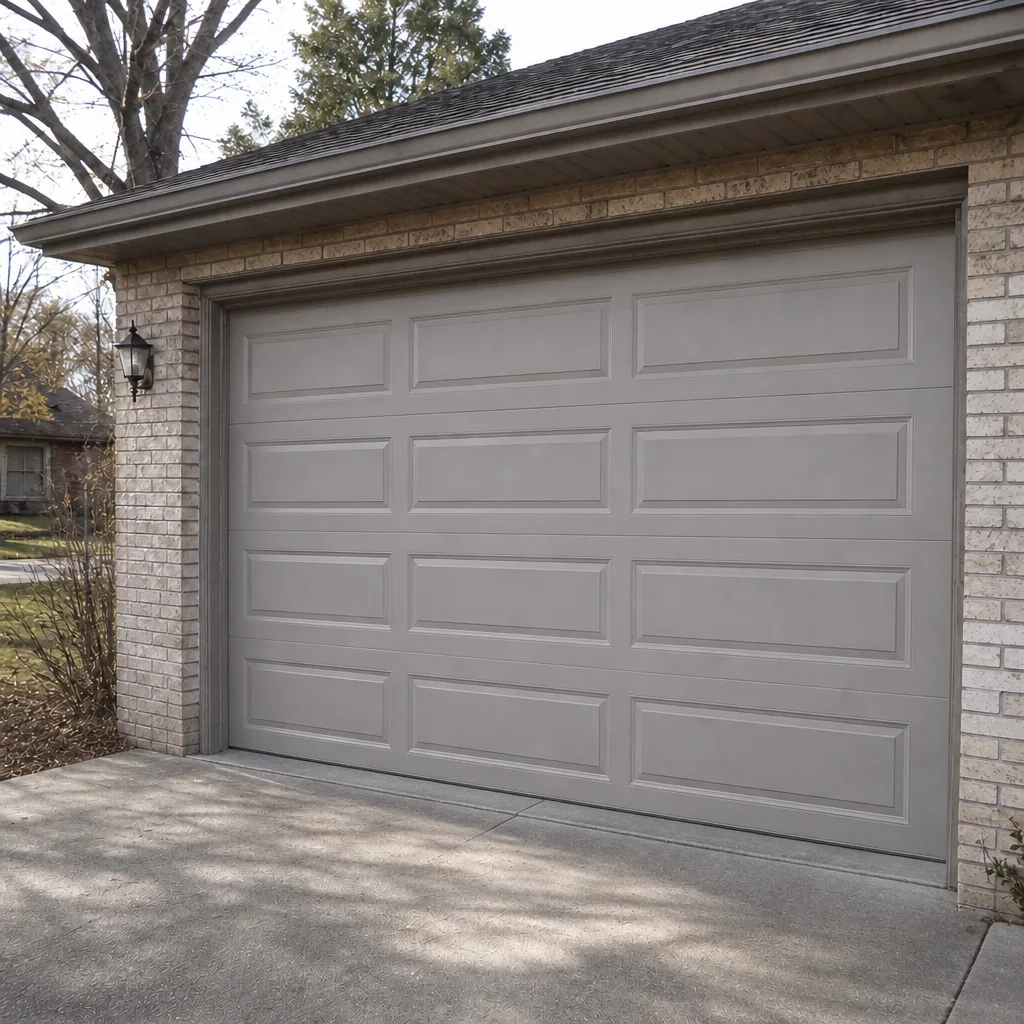 After
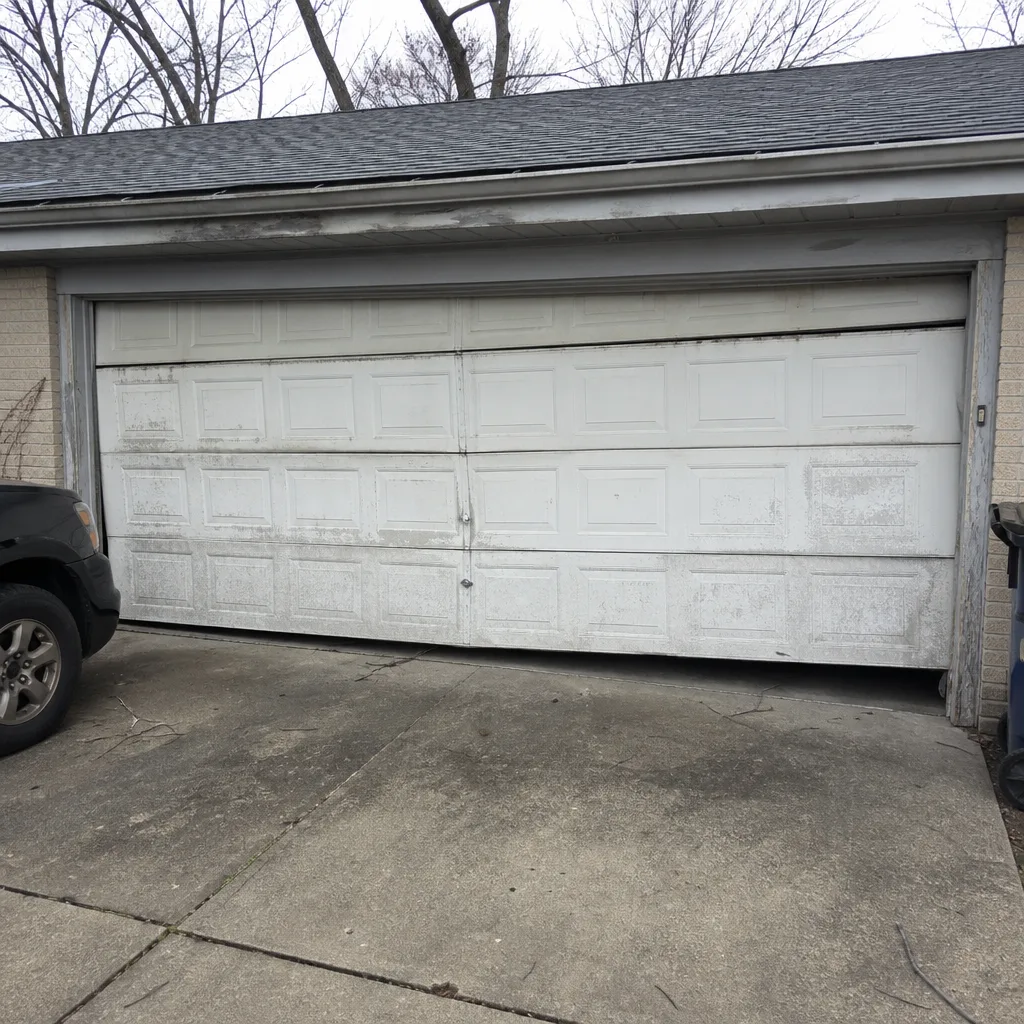 Before
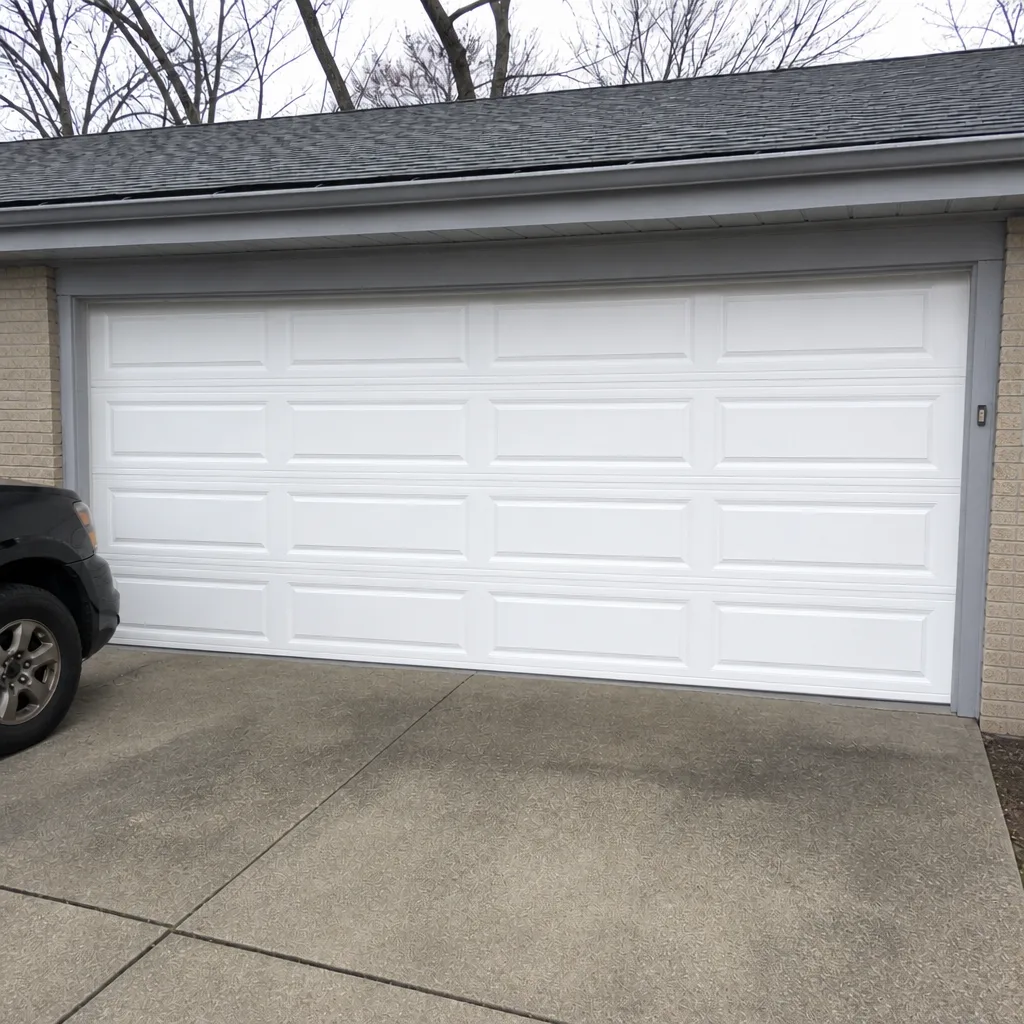 After
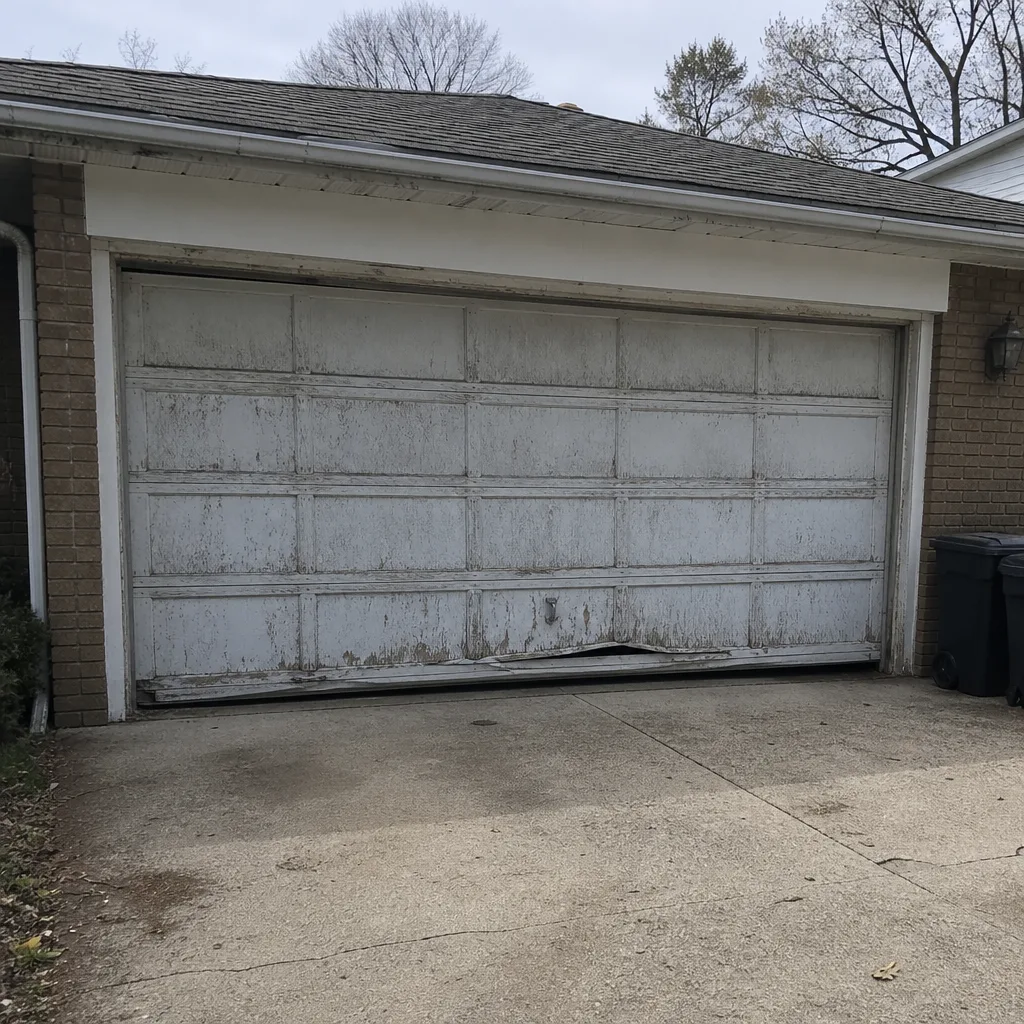 Before
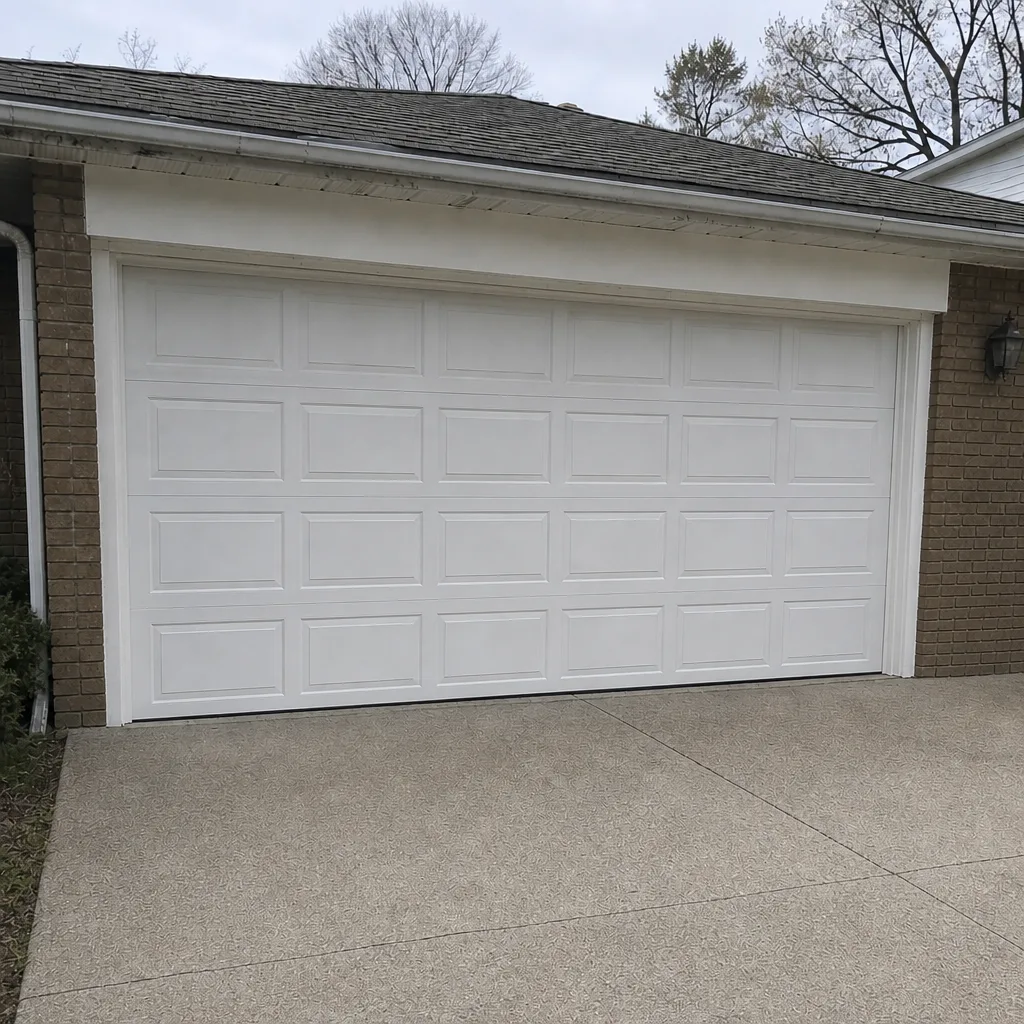 After
When to Call a Professional
Most of this guide is meant to be done by an attentive homeowner. A few situations are different. Call a professional if the door won’t move at all, if the balance test shows the door dropping or shooting up, if the springs look stretched or the door is suddenly much heavier to lift, if the opener reverses or fails to close repeatedly, or if you’ve replaced a part and the door still binds. Older doors with single-panel construction and an aging opener deserve a professional inspection before winter, and so does any door with a visible crack in the spring or a frayed cable. Waukegan Garage Door Repair Pros offers free estimates in Waukegan – call (855) 658-5278. Our technicians have up to 13 years of experience with the brands you already own, and emergency service is available when a door fails and can’t wait.
Frequently Asked Questions
Start the essential pass in September, not October. The first big temperature swings around the Chicago metro usually arrive before mid-October, and the hardware needs to be lubricated and the weatherstripping checked before that happens. Doing it in September leaves time to schedule a repair if something needs attention.
Yes, especially on wood doors and metal tracks. Swollen wood panels bind against the frame, and warm, moist air softens lubricant so rollers drag. A binding door wears the opener and rollers faster and can tear loose from a track. Check for jerky movement in July and August, not just in winter.
Whenever it stops springing back into shape, which in this climate can happen within a few winters. Freeze-thaw cycles harden and deform the rubber faster than a steady cold would. Pinch the seal in September; if it stays curled, replace it before the first freeze.
Yes, and you usually don’t need to replace it. The parts that matter in cold, hinges, rollers, bearings and the bottom seal, can be lubricated or replaced individually. An older single-panel door can be winterized and insulated without a full replacement. Have a professional inspect the springs as temperatures drop.
No, provided the written estimate matched the work you agreed to. We provide a firm a written price before any work starts, and that’s the price. If a deeper problem turns up, we tell you before doing anything and you decide whether to go ahead.
The local professionals we connect you with are licensed and insured as their state requires. We’ll work on the brand you already have, and we repair first rather than pushing a replacement. Call (855) 658-5278 for a free estimate and an exact price.
The Bottom Line
Seasonal garage door care in Waukegan is four jobs, not one. Lubricate and check weatherstripping in September, right before the hardware gets cold. Clear grit and test balance in spring. Watch for binding in summer humidity. Inspect the springs before deep winter. The single most valuable task is the September lubrication pass, because it’s the moment when a small repair still has time to be scheduled without a scramble. A door that gets this routine will outlast one that only gets attention when it breaks. With technicians who have up to 13 years of experience, Waukegan Garage Door Repair Pros is here when the routine turns up something bigger. For free estimates on repair, spring service, opener work or new installation, call (855) 658-5278, or start with an overview of how we help homeowners in Waukegan.
Contact Us
If your door is binding, your springs are stretched, or you want a professional eye on a door you’ve been meaning to service, call Waukegan Garage Door Repair Pros at (855) 658-5278 for a free estimate. We work on the brand you already have and repair first whenever repair is the right call.
Written by the team at Waukegan Garage Door Repair Pros.