Last updated November 22, 2026
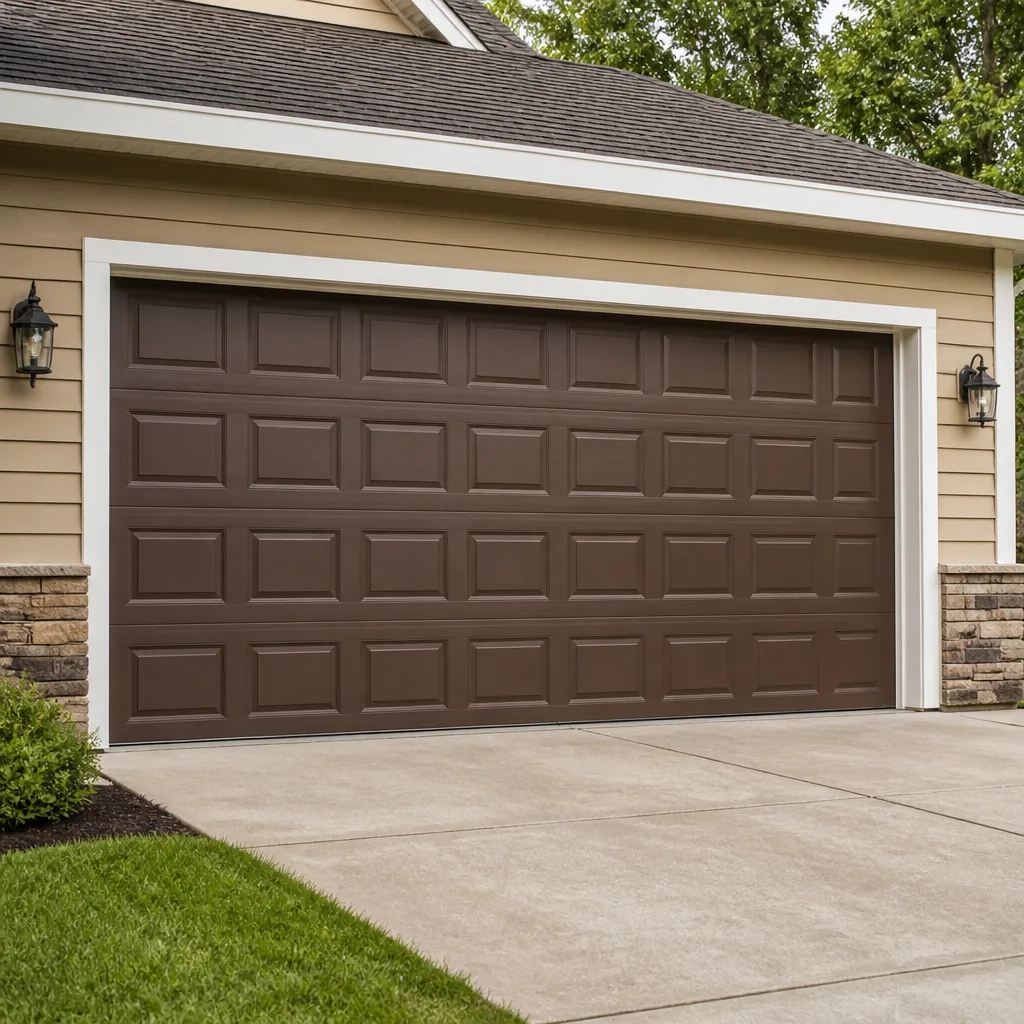 Raised-panel steel
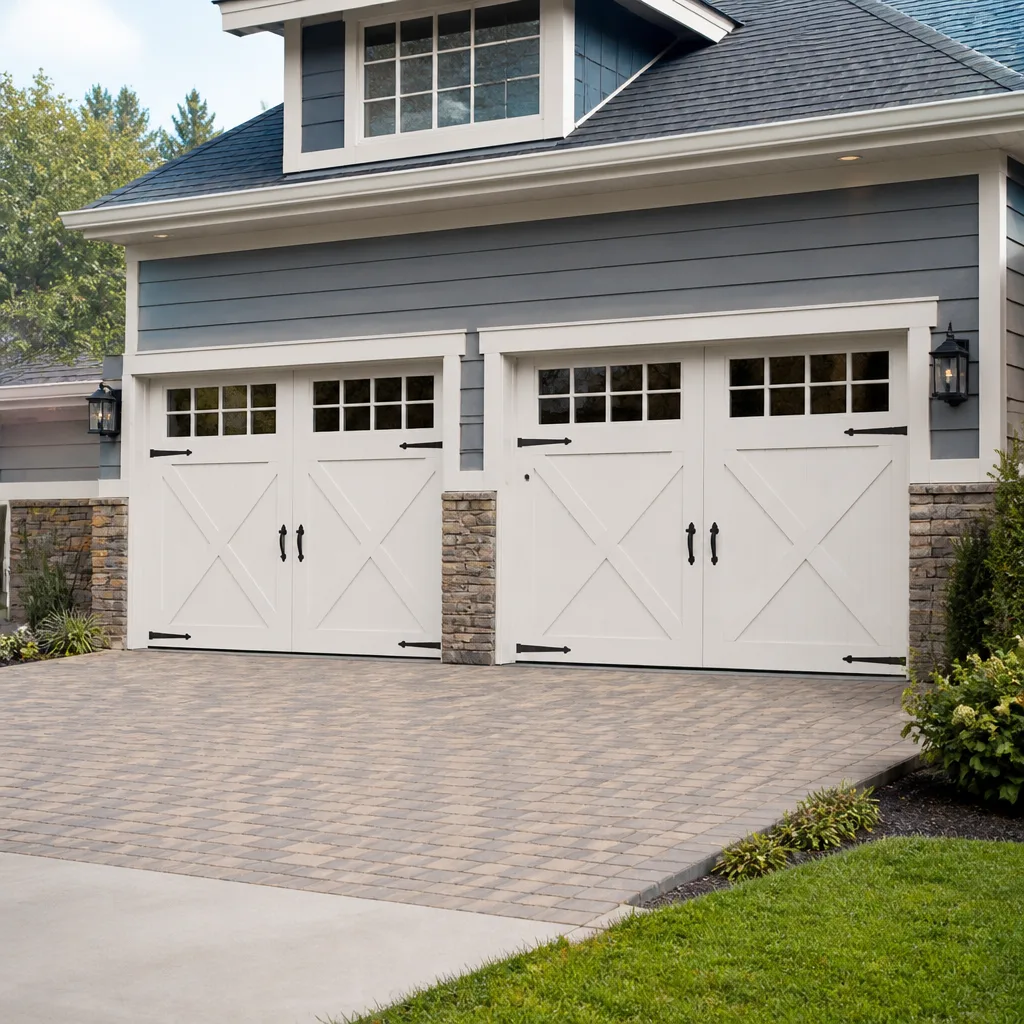 Carriage house
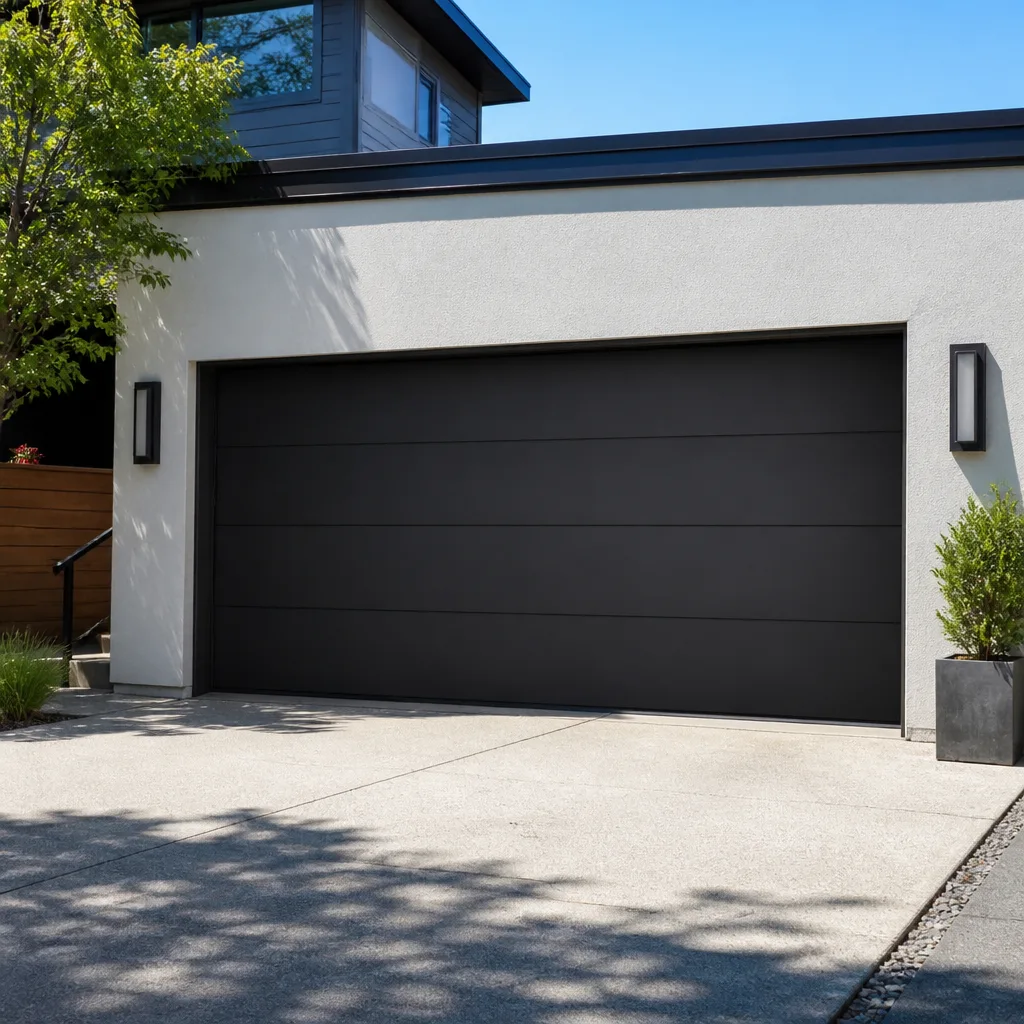 Modern flush
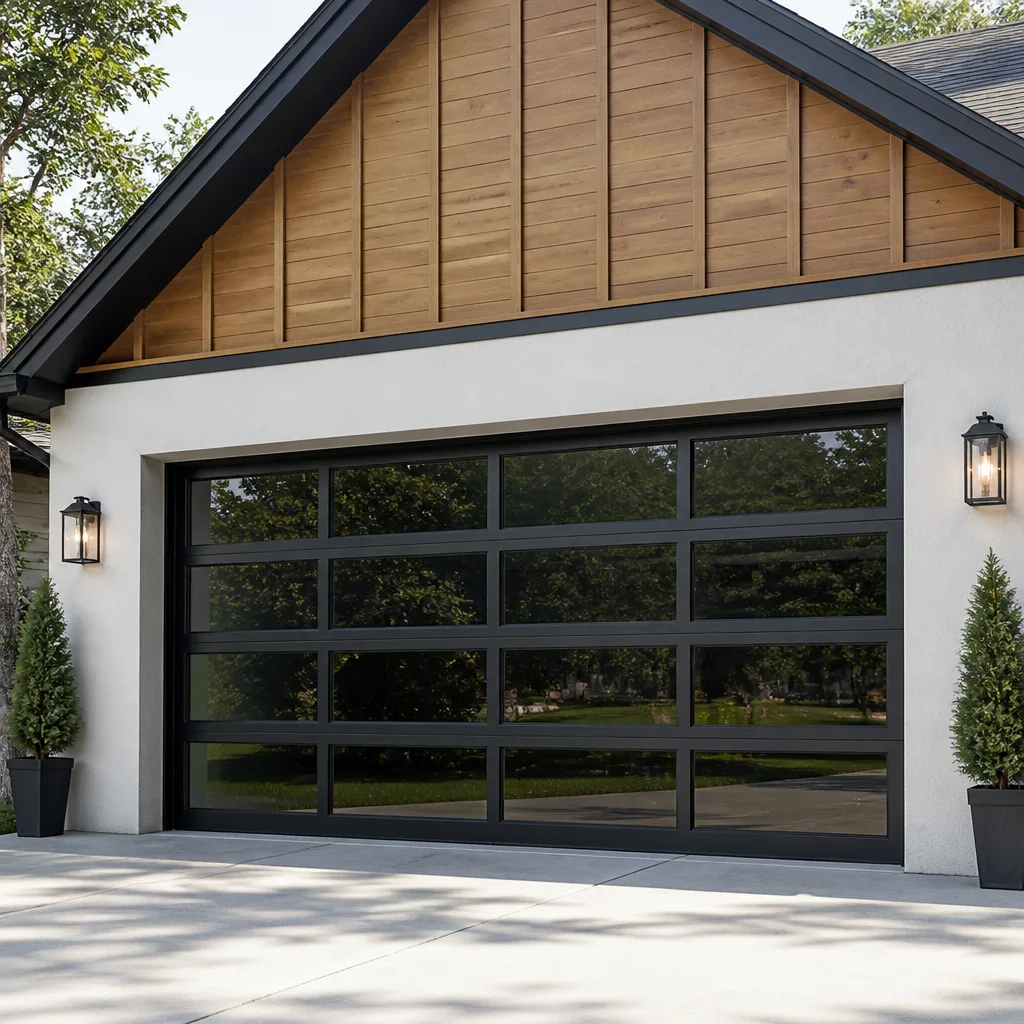 Full-view glass
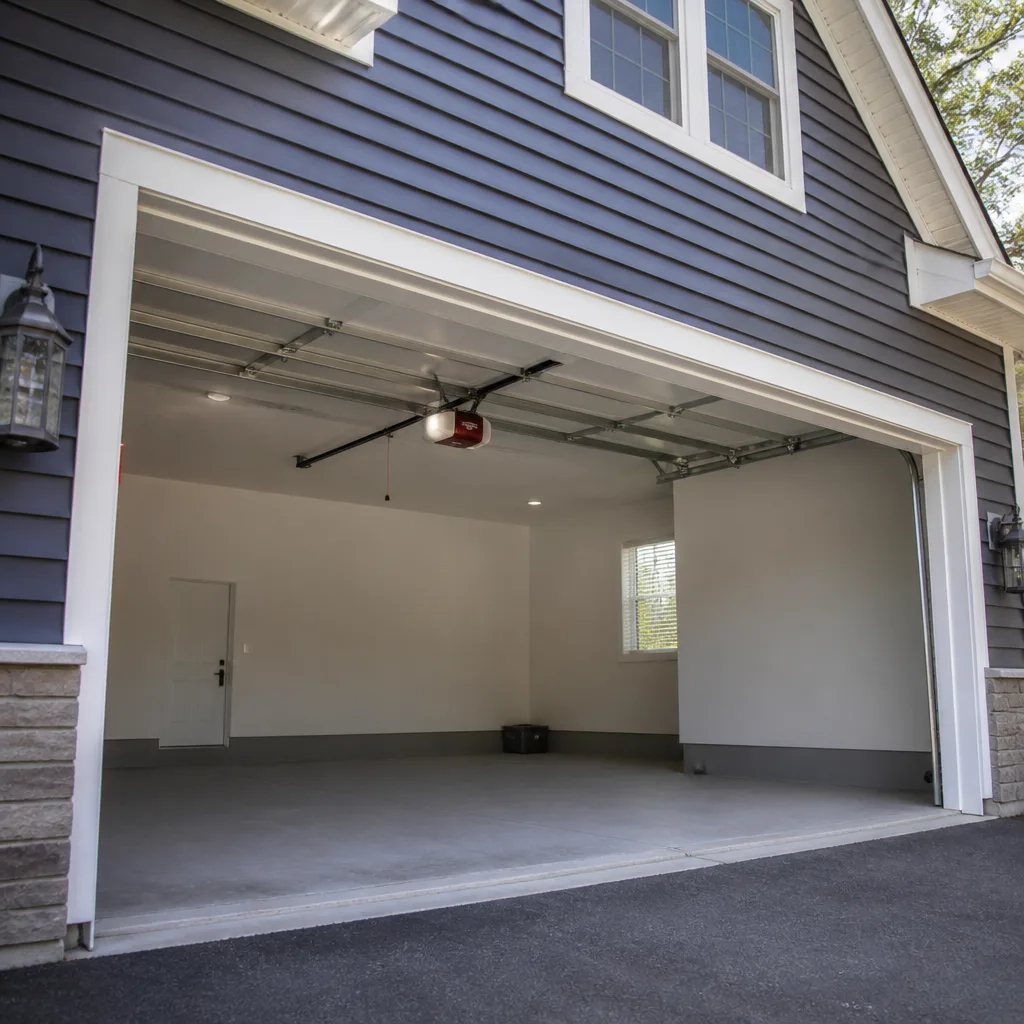 LiftMaster openers
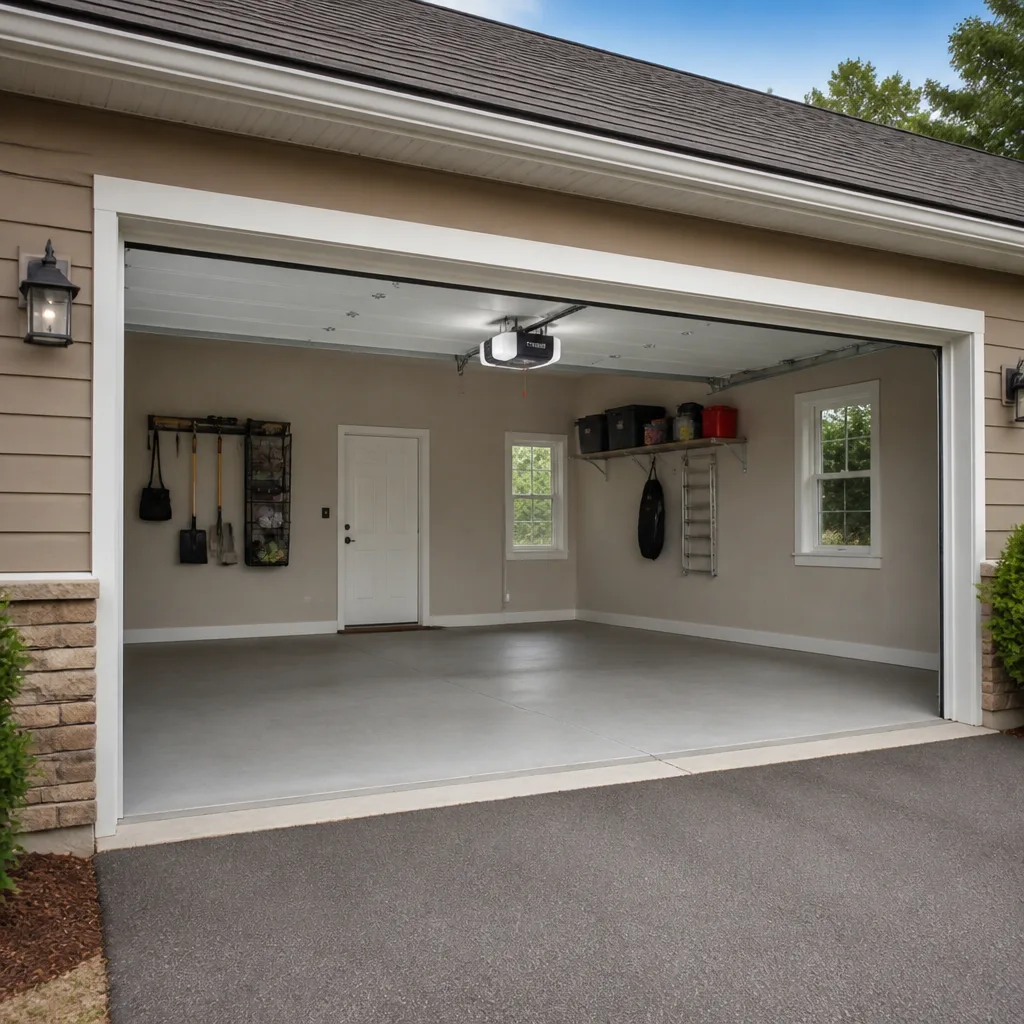 Chamberlain openers
Full 25-point door and opener safety check with every visit - springs, cables, rollers, tracks, and your LiftMaster or Chamberlain opener included
You get a price before we start. It does not change when the pro arrives.
Get your free estimateThe Complete Guide to Garage Doors in Waukegan
Your garage door opens and closes more times in a year than your car engine turns over on a typical commute. Yet most homeowners have never once looked at it closely. They press the button, the door goes up, and the thought ends there until the morning it doesn’t. In Waukegan, that morning usually arrives in the middle of a cold snap or right after a stretch of wet weather, and it almost never comes at a convenient time. What follows is a system-owner’s manual: how each part of your door wears, why it wears faster here than in milder places, and how to tell the difference between a cheap fix and an expensive misdiagnosis. You’ll learn the failure points before they fail.
Quick Answer
A garage door is a mechanical system with a handful of parts that wear on a predictable schedule, and in Waukegan the freeze-thaw cycles along the Lake Michigan shoreline push springs, seals, and tracks harder than most homeowners expect. The three things that matter most are recognizing wear early, diagnosing whether the problem is the door itself or the opener, and knowing when repair stops making financial sense. Most calls we see start with a symptom that was avoidable with a twice-a-year look-over.
Styles & brands we work with
- Raised-panel steel
- Carriage house
- Modern flush
- Full-view glass
- LiftMaster openers
- Chamberlain openers
Table of Contents
- Why Waukegan’s Climate Is Hard on Garage Doors
- Every Part of Your Door and How Long It Actually Lasts
- Door Problem or Opener Problem? How to Tell
- What “Multi-Brand Service” Really Means for You
- Repair or Replace: The Math That Actually Matters
- The Spring Question: Why This Is Not a DIY Job
- A Simple Maintenance Routine That Fits a Midwest Year
- How to Choose a Garage Door Company in Waukegan
Why Waukegan’s Climate Is Hard on Garage Doors
Waukegan sits right on Lake Michigan, and that geography sets up a specific pattern the door has to survive: moisture-rich air, wide temperature swings, and repeated freezing and thawing from late fall through early spring. Each freeze-thaw cycle works on the door the way it works on a driveway, expanding and contracting materials, driving moisture into small gaps, and pulling at anything that’s already loose.
What that means in plain terms is that garage doors in Waukegan live a harder life than doors a few hours inland. The lakeshore side of town, from the neighborhoods near the harbor up through the streets close to the water, sees more damp air and foggy mornings, which keeps the bottom seal and the steel panel edges wetter for longer. That moisture doesn’t destroy a door overnight, but it speeds up the wear on three parts in particular:
- Springs. Cold makes metal more brittle, and a spring under constant tension doesn’t appreciate swinging between 10 degrees and 45 degrees over and over. Spring failures cluster in the cold months for exactly this reason.
- Bottom seals and weatherstripping. Repeated wetting and freezing cracks rubber and vinyl, and once the seal fails, water and cold air get under the door and into the garage.
- Tracks and rollers. Moisture invites light surface rust on steel tracks, and rust plus grit makes rollers drag instead of roll. A dragging door puts more strain on the opener.
Homeowners further from the lake, out toward the western stretches of Waukegan, tend to see slightly less of the damp-air effect but still get the full force of the freeze-thaw swing. The takeaway holds across the whole city: this is a climate that rewards keeping ahead of wear rather than waiting for parts to break.
Every Part of Your Door and How Long It Actually Lasts
Treat your door as a set of parts with rough service lives and you stop being surprised by failures. The ranges below are realistic expectations under Midwest conditions, and the important word is “rough.” How often you use the door, whether the garage is heated, and whether air can get under it all shift the number. Our technicians have up to 13 years of experience, and the honest truth from that experience is that the same part can last twice as long in one home as the house next door.
Two kinds of springs exist, and knowing which you have shapes everything else. Torsion springs mount on a shaft above the door and do the lifting work through winding and unwinding. Extension springs run alongside the tracks and stretch as the door closes. Torsion systems are the norm on newer doors; extension springs are common on older ones.
- Torsion springs: roughly 7 to 12 years of typical service, sometimes less with heavy daily use.
- Extension springs: roughly 5 to 10 years.
- Openers: the motor and gear assembly commonly runs 10 to 15 years; the logic board and safety sensors often go sooner.
- Rollers: 5 to 10 years depending on material; steel rollers rust and seize, nylon ones wear smooth and quiet.
- Hinges and brackets: 10 to 15 years, with the hinge points under the most load wearing first.
- Bottom seal and weatherstripping: 3 to 5 years in this climate, and that’s being generous if ice builds up against the door.
- Cables: often outlast the springs they sit beside, but a worn spring tends to take a cable with it when it goes.
- Panels: steel panels can last decades; the failure point is usually dents, rust at the seams, or a bend that throws the door out of alignment.
- Safety sensors and photo-eye wiring: fragile and exposed to weather, so 5 to 10 years is typical before a connection or sensor needs attention.
Use this list the way you’d use a car’s maintenance schedule. When the bottom seal starts to look ragged, you know it’s not the door failing, it’s a small part doing its job and reaching the end of it. When you hear a bang from the garage and the door won’t lift, you have a pretty good idea which part just gave out before anyone even takes a look.
Door Problem or Opener Problem? How to Tell
This is the misdiagnosis that wastes the most money. A door that won’t open can have a perfectly healthy opener and a broken spring, or a perfectly healthy door and an opener that’s lost its logic board. The symptoms overlap, and homeowners often assume the motor has died when the real problem is mechanical. Replacing an opener when the door needs a spring is money thrown away, and it happens all the time.
Here’s a simple way to think it through before anyone comes out. Run through this sequence:
- Look at the whole door, not the ceiling. Is it sitting crooked with one side low? That points to a spring or cable problem on one side, not the opener.
- Listen to the opener itself. Does it hum and do nothing? That’s often an opener gear, capacitor, or logic issue. Does it run quietly but the door barely moves or jerks? That’s mechanical.
- Test the door by hand, with care. With the opener disengaged using the release handle, lift the door partway. A properly balanced door should stay roughly where you put it. If it feels heavy, fights you, or slams down, the spring system is the culprit.
- Check the safety sensors. A door that opens but won’t close, or that reverses after a foot of travel, is usually reading an obstructed sensor or a broken wire. This is by far the most common “opener problem” that isn’t really a failure.
- Notice what changes with weather. A door that sticks only on cold mornings is telling you about contraction, lubrication, or a spring near the end of its life.
When you narrow it to the opener, that’s a different kind of expertise. Opener repair is its own skill, and there’s a real difference between a technician who knows their way around a modern smart-integrated unit and one who does not. We handle everything from current garage door opener repair on the major brands to work on legacy units still running from decades back. When the opener checks out and the door is the problem, that’s the other side of the trade.
What “Multi-Brand Service” Really Means for You
Most homeowners didn’t pick their garage door. It came with the house, or someone else had it installed, and the branding on the opener or the panels is a mystery. This is the scenario multi-brand service is built for. It means the technician who shows up should recognize the equipment in your garage and know how it’s put together without guessing.
We service the brands you’re most likely to find already installed: LiftMaster and Chamberlain openers where you’ll want smart-home or MyQ integration understood, Genie and Craftsman units from the legacy era, and Clopay, Amarr, Wayne Dalton, and Raynor doors that make up a huge share of the panels and hardware in this region. If you’ve got a LiftMaster, we know the LiftMaster. If the door is a Clopay model from years ago and the parts are anything but current, that matters too, because fit and replacement options depend on knowing what you’re working with.
Here’s why this reduces cost in real terms:
- Fewer wasted visits. A company that only works on two brands may arrive, look, and tell you they can’t help with your opener brand, or they’ll recommend swapping the whole unit rather than repairing it.
- Honest repair instead of replacement pressure. When a tech knows the brand, the parts, and the fix, the recommendation is more likely to be repair. When they don’t, replacement becomes the default.
- Openers that actually get fixed. A lot of functioning openers get replaced because nobody was confident repairing the board or sensor wiring. Brand familiarity keeps a repairable opener in service.
The point isn’t that brand variety is a marketing slogan. It’s that the equipment you already own should be serviced competently, whichever label is on it. That philosophy runs through everything we do, from garage door repair on a single sticking roller to a full replacement.
Repair or Replace: The Math That Actually Matters
This is where a clear head saves real money. The instinct when a door fails is either to panic-replace or to patch and hope. Neither is a rule. There’s a genuine tipping point, and it turns on a few specific factors.
The rule of thumb that holds up: repair is usually the right call when the problem is one component on an otherwise sound door. The door’s steel and structure last decades, but the moving parts don’t, and those are meant to be replaced. A failed spring on a door with good panels is a repair, full stop. A noisy opener or a failing bottom seal is a repair. The structural parts are the ones worth protecting.
Replacement math starts to favor a new door when you’re looking at more than one of these situations:
- Panel and frame damage together. If the door is dented, rusted at the seams, and out of alignment, you’re no longer replacing a wear item. You’re rebuilding a system.
- Repeated failures in a short window. When you’re calling back for a new problem every couple of months, the underlying hardware may have reached the end of its useful life, and each repair adds up fast.
- A balance problem the door can’t hold. If the door won’t stay balanced after adjustment, the tracks or panels may be bent, and that’s structural.
- Outdated opener paired with a door it can’t handle. A modern door is heavier and better sealed than an older one. If the opener is old and struggling, sometimes the honest answer is that the door and opener are both due.
What flips that conclusion back to repair is the door’s actual condition. A technician should be able to walk you through it: here’s the part that failed, here’s what’s still good, here’s why this is a repair, or here’s why a replacement is the wiser spend. If a recommendation arrives before an inspection, ask why. On installation and replacement work we quote the job with a free measure and a written estimate, because that decision deserves real numbers rather than a phone guess. When you’re ready to talk through a replacement, a proper garage door installation consultation is the right starting point.
The Spring Question: Why This Is Not a DIY Job
Springs are the one component homeowners should never touch. A torsion spring stores an enormous amount of energy when it’s wound, and that energy releases without warning when the metal fails. Extension springs are just as dangerous, and a broken one can fly with enough force to cause serious injury. This isn’t a lecture about being careful. It’s a plain statement that this specific repair involves hardware under tension that can hurt you badly, and there is no safe shortcut around that.
A trained technician brings the right winding bars, clamps, and control tools, and knows how to release the tension safely. That’s exactly why garage door spring repair is its own specialty and why a fair number of general handymen won’t take it on. If you hear a sharp bang from the garage and the door won’t lift, or you see a gap in a spring that was intact yesterday, the right move is to leave the door alone and call. Don’t try to force the door open or closed by hand, and don’t wind anything yourself.
The exception worth knowing: the safety sensors and the release handle are fine to learn about. Knowing how to disengage the door and understand the sensor setup is useful. Anything involving the spring, the cables, or the winding assembly belongs with a trained professional, and any company worth calling treats it that way. When a spring fails and the door drops without warning, that’s also the moment emergency service earns its keep, because a stuck door on a morning you need out is its own problem.
A Simple Maintenance Routine That Fits a Midwest Year
You don’t need a tool chest to stay ahead of garage door problems. You need a twice-a-year look before the seasons that hit hardest. Here’s the routine we’d hand any Waukegan homeowner, with the timing built around this climate:
- Late fall, before the deep freeze: lubricate the hinges, rollers, and the torsion shaft with a proper garage door lubricant, not WD-40 or cooking oil. Check the bottom seal for cracks and replace it before ice builds up against it.
- Look at the springs with your eyes only. A spring with a visible gap has broken. Don’t touch it; note it and call. A spring that looks fine but the door feels heavy is a job for a technician to assess.
- Test the safety sensors. Put a box in the door’s path and confirm the door reverses. Clean the sensor lenses and check the wiring isn’t damaged.
- Early spring, after the thaw: clear any grit and light rust from the tracks, check the rollers for flat spots or cracks, and tighten loose hinges and brackets. Listen for new noises.
- Balance check twice a year. With the opener disengaged, lift the door partway and let go gently. It should hold roughly in place. If it drops or fights you, the springs need attention.
- Check the door is weather-sealed. A proper seal keeps water, cold air, and pests out, and a well-sealed door is easier on the whole system.
That’s maybe an hour of looking and a few minutes of lubricant, twice a year. It won’t stop every failure, but it catches the cheap ones before they become expensive, and it keeps the door treating you fairly when the freeze-thaw swings arrive. When a part is beyond a look-and-lube, our team can step in without upselling the whole door, which is the whole idea behind doing garage door repair the honest way.
How to Choose a Garage Door Company in Waukegan
When you do need help, the company you call matters more than the ad copy. A few things are worth checking before anyone comes out, and they apply whether you’re in a house near the lake or one further inland toward the western edge of Waukegan.
First, ask what they actually service. A company that works on the brand you already have, from openers to panels to springs, saves you from a second call when the job grows. Second, ask whether they diagnose before they recommend. Anyone quoting a full replacement before looking at the parts is either guessing or selling. Third, confirm they’ll do spring work. Not every company wants that job, and the ones who take it seriously are signaling real technical depth. Fourth, ask about emergency availability, because a door that fails when you need to leave isn’t a problem that waits for an appointment.
- Does the company service your existing brand rather than pushing a switch?
- Will they explain repair versus replacement in plain terms, or just quote a number?
- Do they handle both opener repair and door repair, so a misdiagnosis doesn’t cost you?
- Is the price agreed before work starts, in writing?
These are the questions that separate a company that fixes what’s broken from one that sells what you didn’t ask for. The right one doesn’t need to brag. It just needs to know your door. You can always start with a simple look at our Waukegan Garage Door Repair Pros to get a sense of how we approach the work.
Common Mistakes to Avoid
- Replacing the opener when the door is the problem. A door that won’t move is often a spring, cable, or alignment issue, not a dead motor. Swapping the opener without checking the door wastes money and leaves the real fault untouched.
- Judging a spring by how the door sounds. A spring can break with a loud bang or fail quietly, and a heavy-feeling door is the more reliable signal than noise. If the door won’t stay balanced, the springs need a technician, regardless of sound.
- Ignoring the bottom seal through the winter. A cracked seal lets in cold and water, and ice can build against it and make the whole door harder to operate. In this climate, replacing it early is cheap insurance.
- Skipping lubrication because the door “seems fine.” Grit and rust build slowly, and a dry hinge point turns into a stuck roller and a strained opener before you notice. Twice-yearly greasing is the cheapest maintenance there is.
- Letting one company handle the door and another the opener. When the door and opener are treated as separate systems, nobody is diagnosing the whole thing, and the two halves can fight each other. One knowledgeable company on both is the safer arrangement.
- Choosing a contractor who can’t service your brand. If your door or opener is a brand they don’t handle, you’re one problem away from a forced replacement. Ask before you book.
- Blaming the opener for a safety-sensor reversal. A door that closes a foot and reverses is usually reading a dirty or misaligned sensor, not a failed opener. Each “repair” that skips this check is money spent on the wrong part.
See the difference
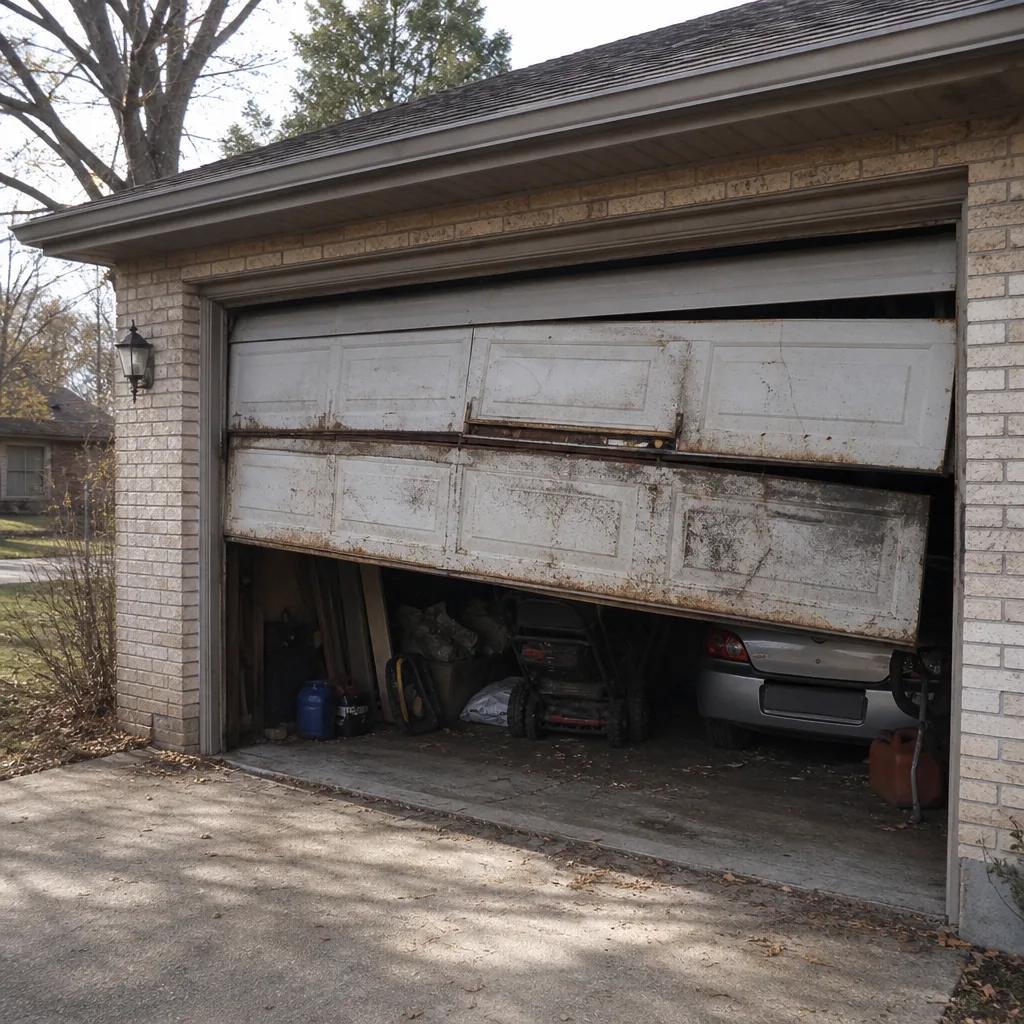 Before
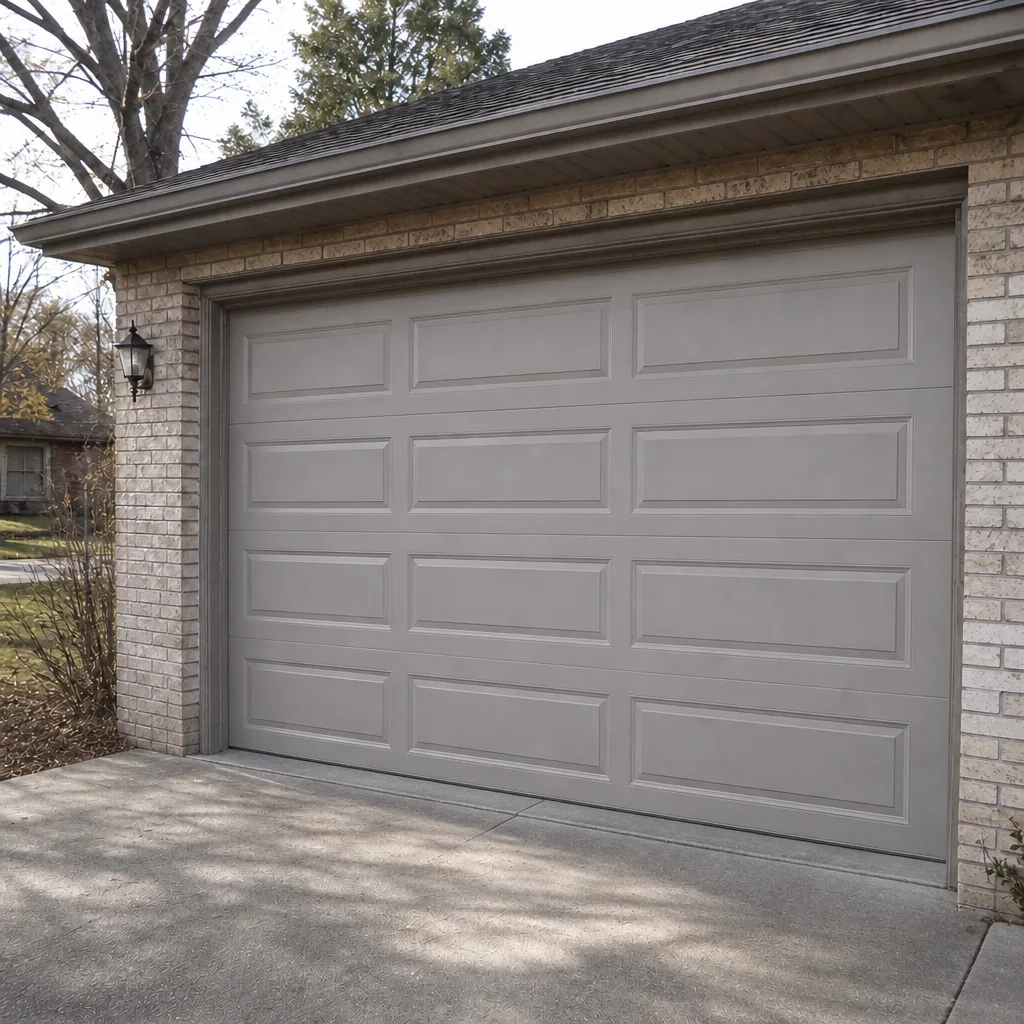 After
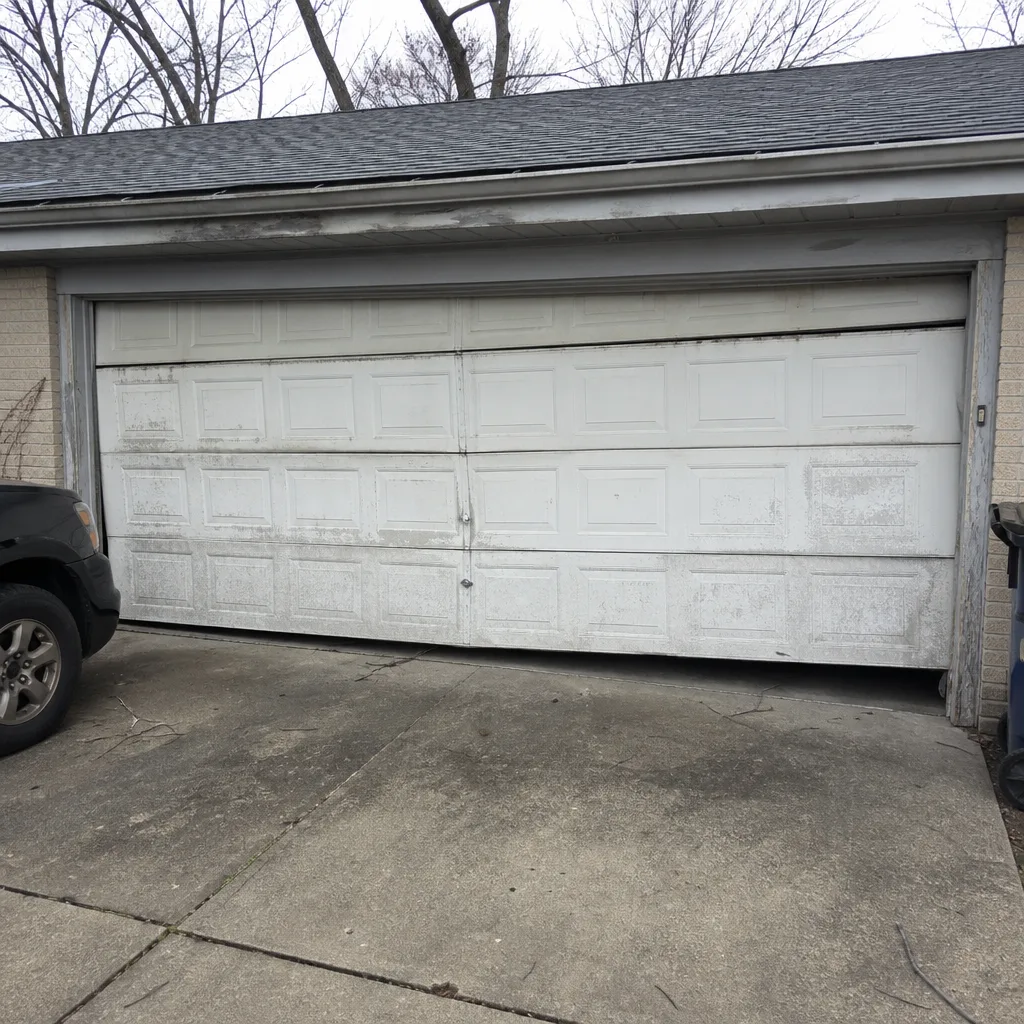 Before
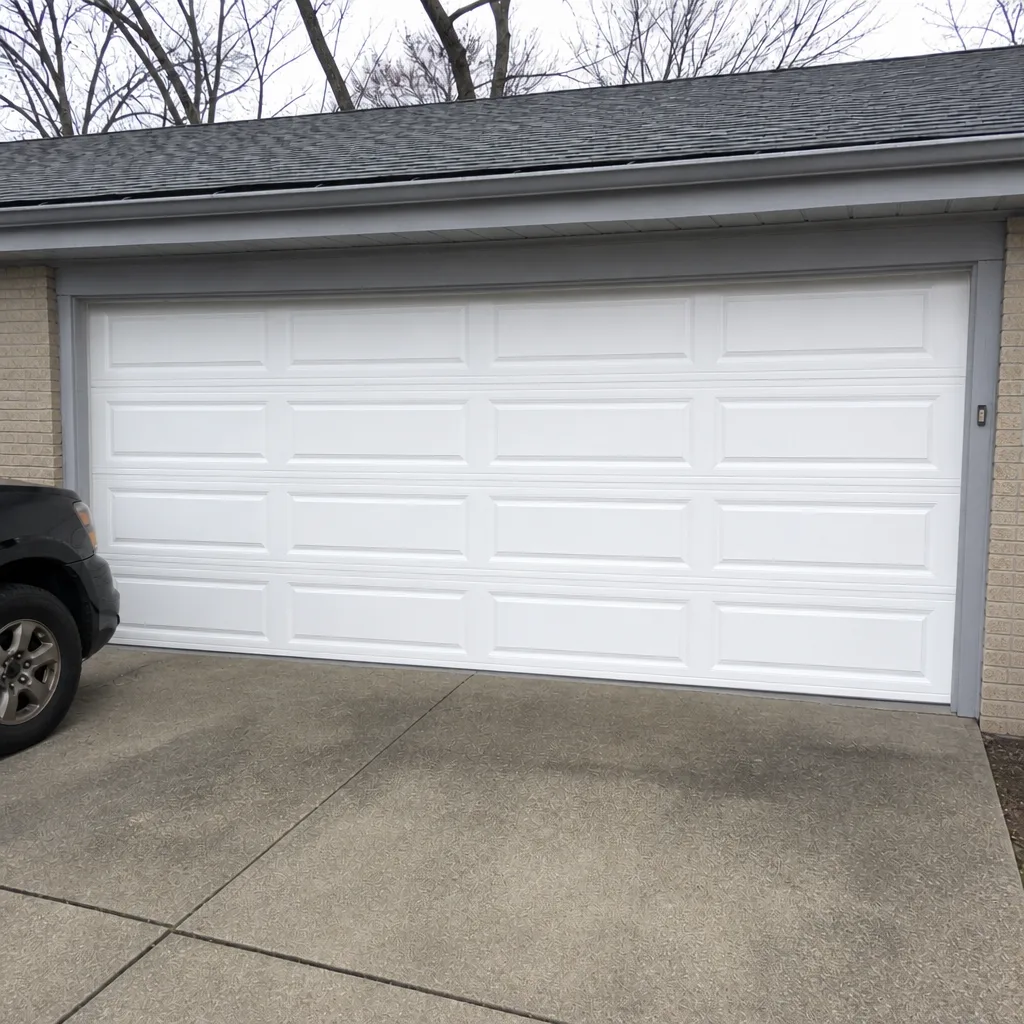 After
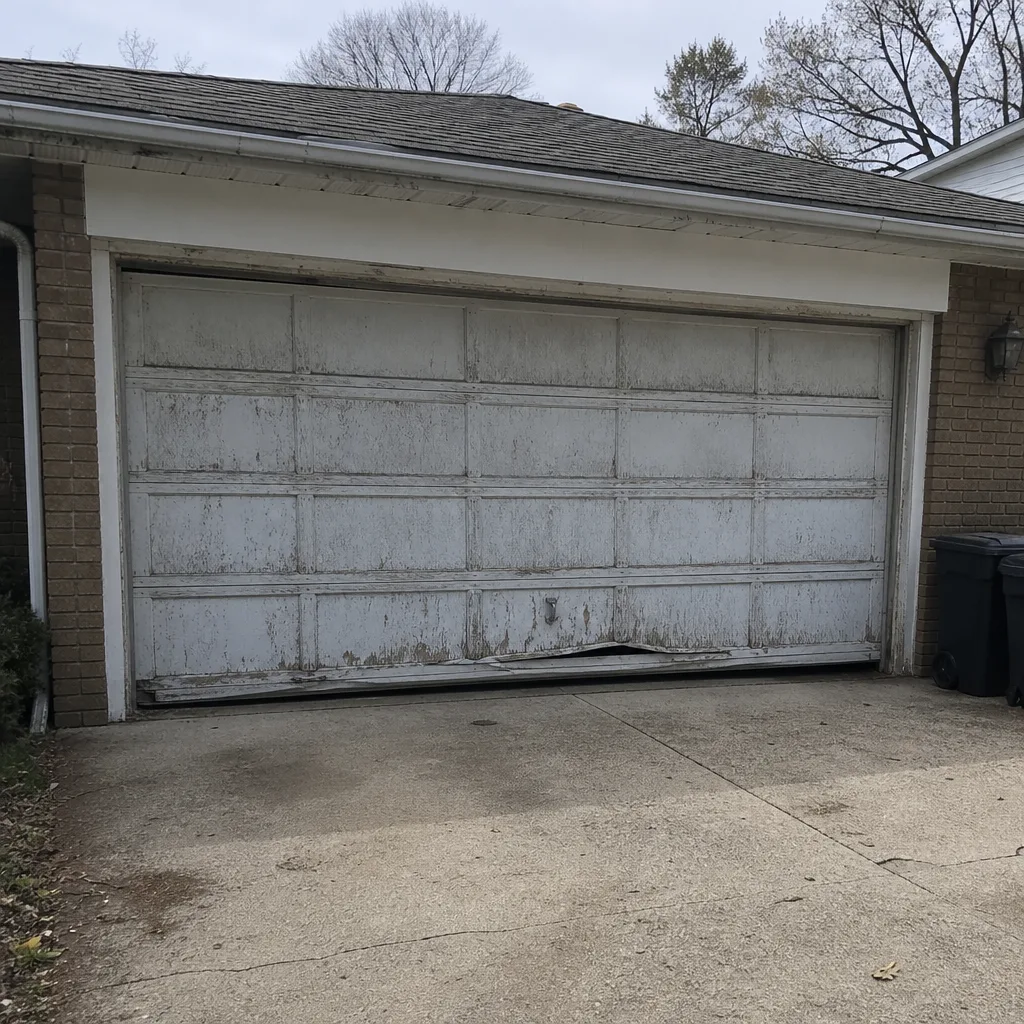 Before
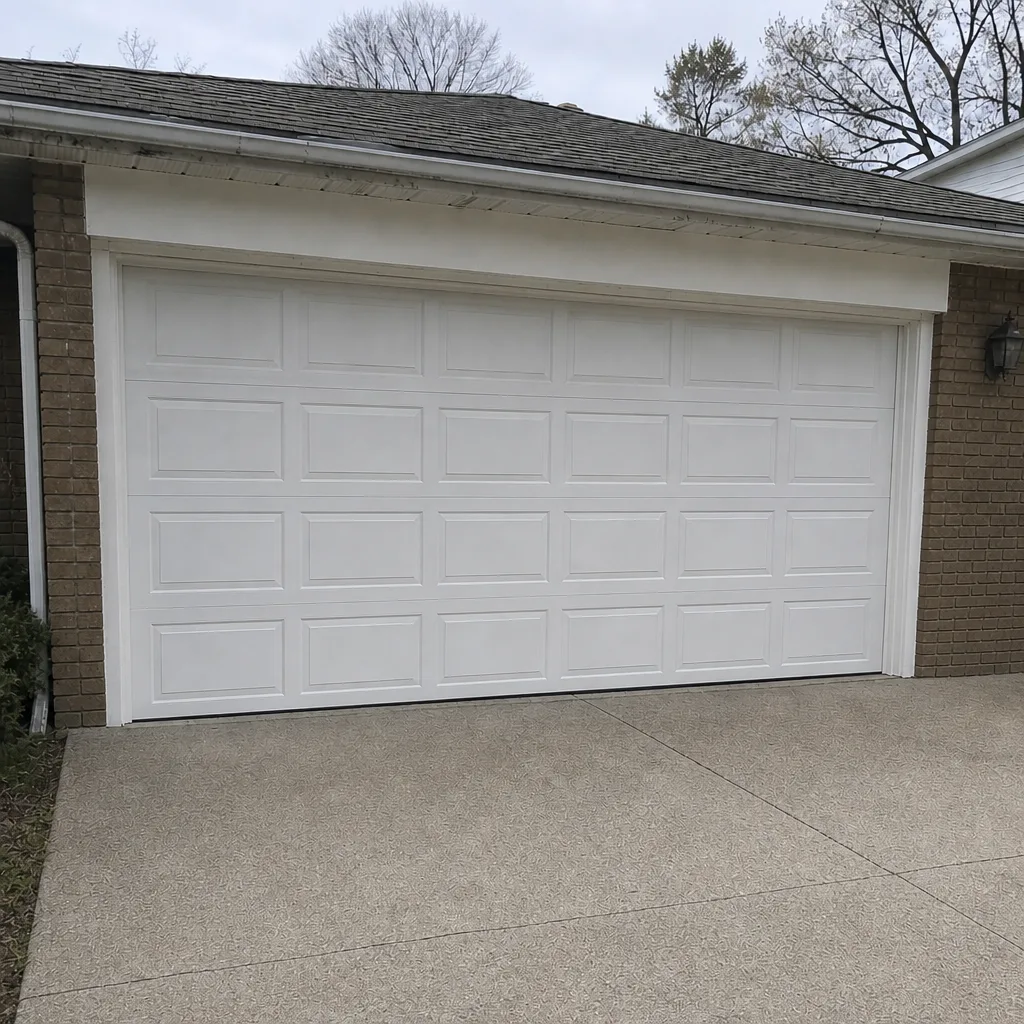 After
When to Call a Professional
Call when a spring breaks, when you see a gap in a spring, when the door won’t balance or won’t stay up, or when it drops unexpectedly. Call when the opener hums but nothing moves, when the door closes and reverses on its own, or when a sensor keeps tripping. Call when the door is visibly crooked or a track is bent. Call when the bottom seal is letting water in and you can’t get the door to seal. And call without waiting when the door is stuck open or closed and you need it tonight, because a stuck door is not a business-hours problem. Waukegan Garage Door Repair Pros offers free estimates in Waukegan. Call (855) 658-5278 for an exact quote, with a written price agreed before any work starts.
Frequently Asked Questions
There’s no set schedule, but in this climate spring failures cluster around the cold months because freeze-thaw swings put extra stress on the metal. Most springs last somewhere in the 5 to 12 year range depending on type and use, and frequent daily operation shortens that. Call (855) 658-5278 if the door feels heavy or won’t stay balanced, and we’ll get an estimate to you for free.
No. Torsion and extension springs store a large amount of energy and can cause serious injury if they release unexpectedly, and there’s no safe shortcut around that. This is the one garage door repair that should always be handled by a trained professional with the right tools. For an exact quote on spring repair, call (855) 658-5278, and estimates are free.
Cold weather causes metal to contract, rubber seals to stiffen, and lubricant to thicken, which makes a marginal door bind more than it does in spring. Sometimes it’s a seal or lubrication issue, and sometimes it’s a sign the spring is near the end of its life. If it’s happening repeatedly, it’s worth diagnosing rather than waiting. Call (855) 658-5278 for a free estimate.
If the opener runs quietly but the door doesn’t move correctly, the problem is almost always mechanical: a spring, cable, or alignment issue, not the opener itself. That’s an important distinction because it means you usually repair the door and keep the opener. Call (855) 658-5278 and we’ll diagnose it, with the price quoted and agreed before any work starts.
Repair is usually the right choice when a single part failed on an otherwise sound door, like a spring or an opener; replacement starts to make sense when panels and frame are damaged together or the door fails repeatedly. There’s no universal rule, so the honest path is an inspection that explains both options. Call (855) 658-5278 for a free estimate and a written price.
We service the brands most commonly installed in Waukegan homes, including openers from LiftMaster, Chamberlain, Genie, and Craftsman and doors from Clopay, Amarr, Wayne Dalton, and Raynor. That means we work on the equipment you already own rather than steering you toward a swap. For an exact quote, call (855) 658-5278, and estimates are free.
The Bottom Line
Your garage door is a mechanical system, not a fixture, and in Waukegan it works against a climate that rewards attention and punishes neglect. The three habits that matter most are keeping the minor parts in shape, learning to tell a door problem from an opener problem, and knowing what a fair repair looks like versus a pressure sale. Springs are the one component to leave to a professional. Everything else responds well to a twice-a-year look and a company that knows your brand. When the time comes, a written estimate agreed before any work starts means no surprises on the invoice. That’s the standard we hold to.
Ready to get a real answer on your door? Call (855) 658-5278 for a free estimate from Waukegan Garage Door Repair Pros. Whether it’s a spring, an opener that’s acting up, a full replacement, or an emergency that can’t wait, we’ll diagnose it, explain your options honestly, and quote it in writing before we start.
Written by the team at Waukegan Garage Door Repair Pros.